In Conversation With: Alana Moy
Interview by Josefina Lopez de Romaña, Coordinated by Adriana Bolaños, Shot by Heather Suarez
For Alana, creativity has never existed separately from identity. The Puerto Rican, Chinese artist, uses her work to explore accessibility, cultural memory, spirituality, and self-reclamation. Through both her artistic practice and approach to museum education, she questions the systems that disconnect people from their identities, creativity, and communities. In conversation with Josefina, our Editorial Director, Alana reflects on spiritual awakenings, artistic freedom, and the desire to create work that leaves a lasting impact beyond herself.
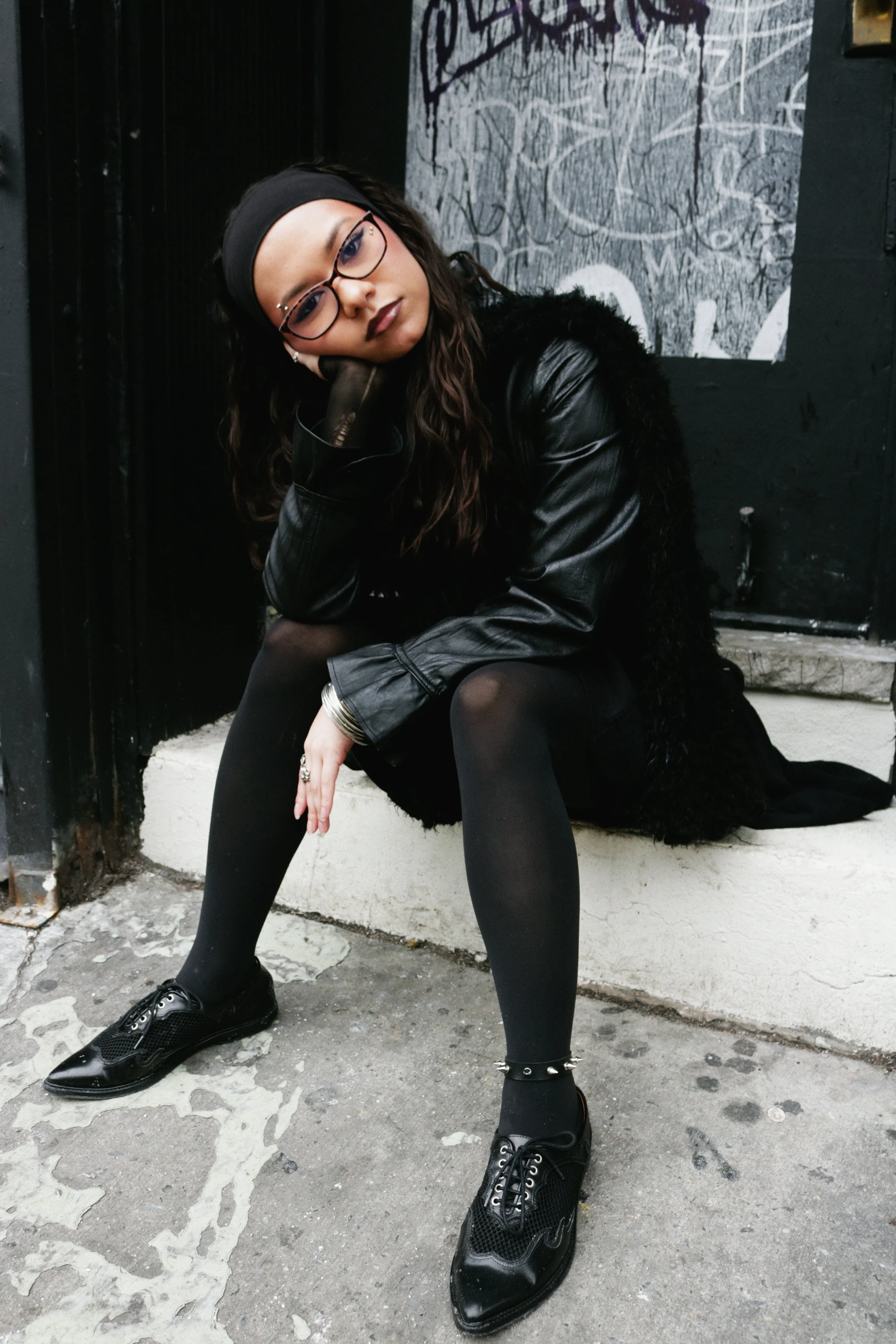
Josefina: Tell me a little bit about what you’re doing right now.
Alana: Right now, I’m part of a Durational Pedagogy Fellowship with Dia Art Foundation. Basically, I’m working toward research for my own artistic practice while also exploring how Dia’s collection can inform and amplify it.
At the same time, I’m thinking about pedagogy and museum education: how can I use my experiences, alongside the programming and mentorship I’m receiving from the learning engagement staff, to redefine how museum education functions? Especially in ways that are more accessible and accommodating to different kinds of people and learning styles.
J: Museums can feel intimidating for a lot of people.
A: Exactly. I personally love them, but many people find them boring or inaccessible because they don’t necessarily understand how to engage with them. The design of a space, the language used, the educational tools, it all matters.
Dia is very conceptual, so if you’ve never experienced contemporary art before, you might not immediately feel invited in. They don’t over-explain things. Instead, they kind of say: Here’s the work, here are the resources, now engage with it however you want. And honestly, I love that.
I came from environments where I constantly felt creatively boxed in, where people would tell me, “You have to paint like this,” or “You have to draw like that.” So being in a space that encourages exploration and individuality feels really freeing. I finally feel like I can fully be myself, collaborate, and learn without being confined.
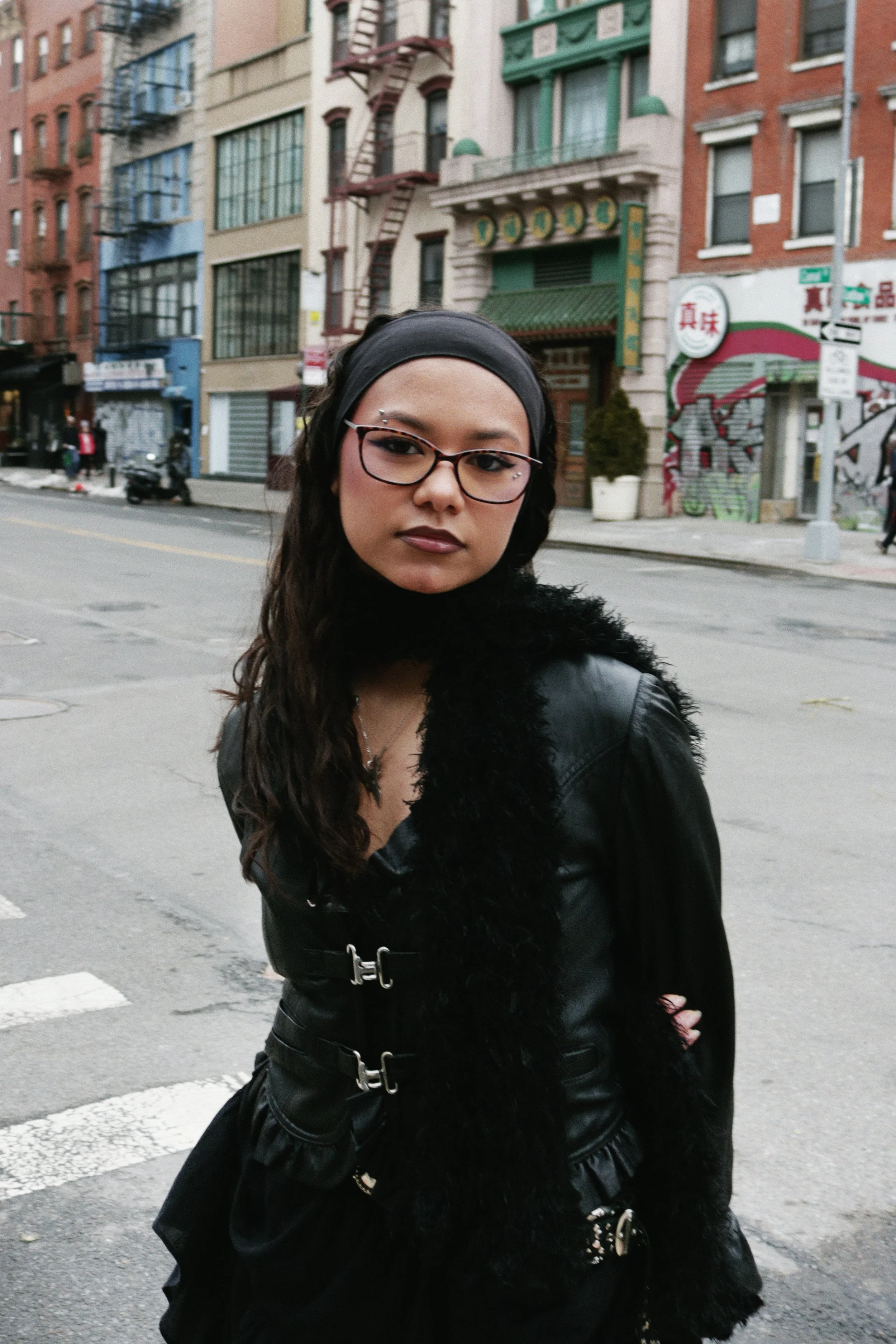
J: I feel like you seem so much more confident and comfortable in yourself now compared to college. How did you get there?
A: I think I’ve always been an artist, literally my whole life. I’ve always been creative, whether it was acting, singing, visual art…anything.
But growing up, there was always somebody telling me what to do: parents, mentors, authority figures—people who saw potential in me and wanted to shape it. So I became accustomed to being told how I should present myself and how I should be perceived.
By high school, I was already frustrated because I thought I was supposed to be somewhere already. I genuinely believed I’d already have an acting career by then. But my creativity couldn’t fully flourish because I was constantly listening to everyone else instead of my own instincts. Then I got into relationships, and I think that took a toll on my sense of self, too. Sometimes in relationships, you lose parts of yourself without even realizing it.
Over time, though, I started going through many spiritual awakenings and moments of self-discovery. I began uncovering parts of myself that weren’t able to exist openly before. For a while, I was very focused on relationships and connection, and my creativity became less accessible. But I eventually realized I can’t control other people or change certain dynamics. I can only change where I place myself and how I choose to grow.
That realization completely shifted my relationship to creativity and authenticity.
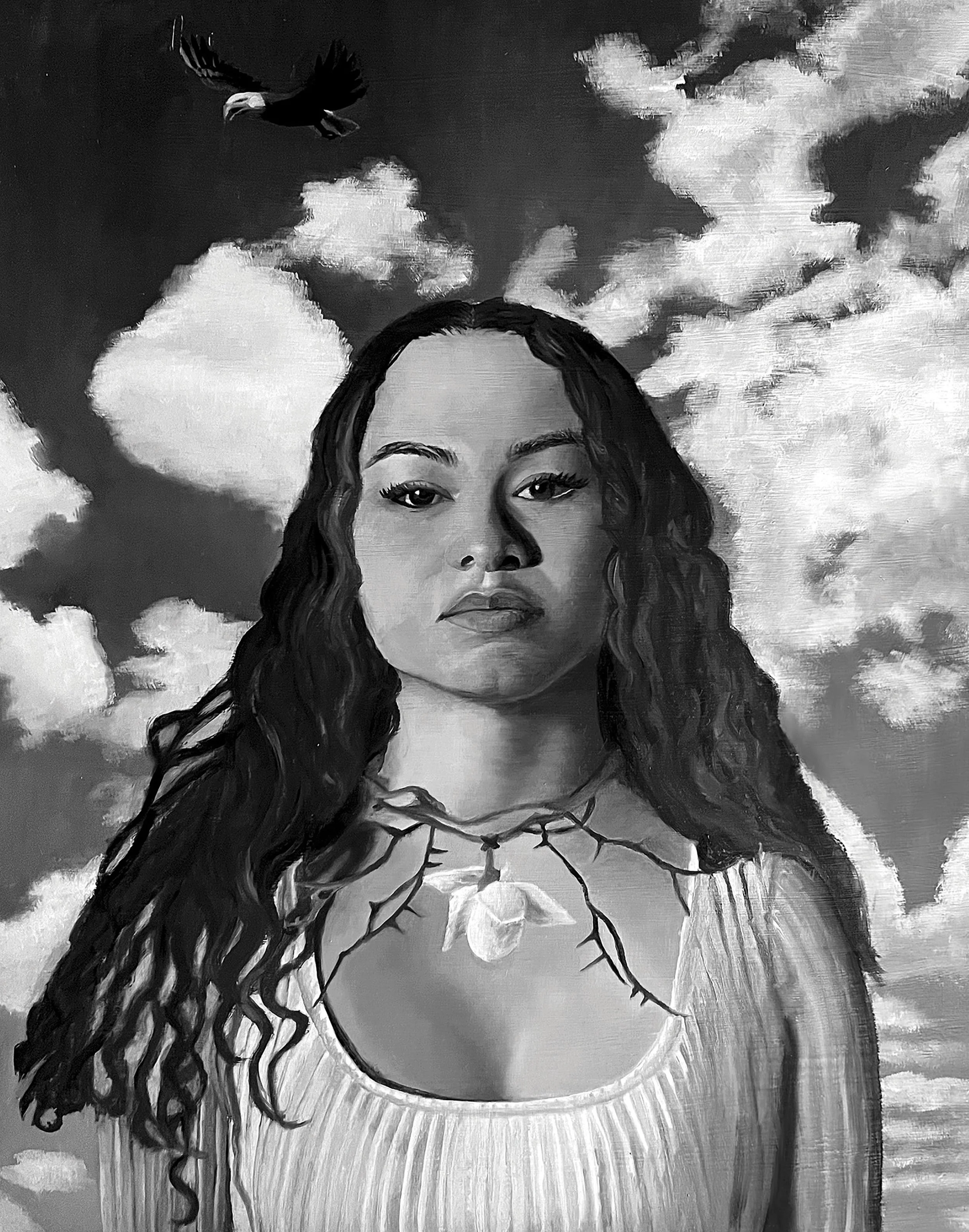
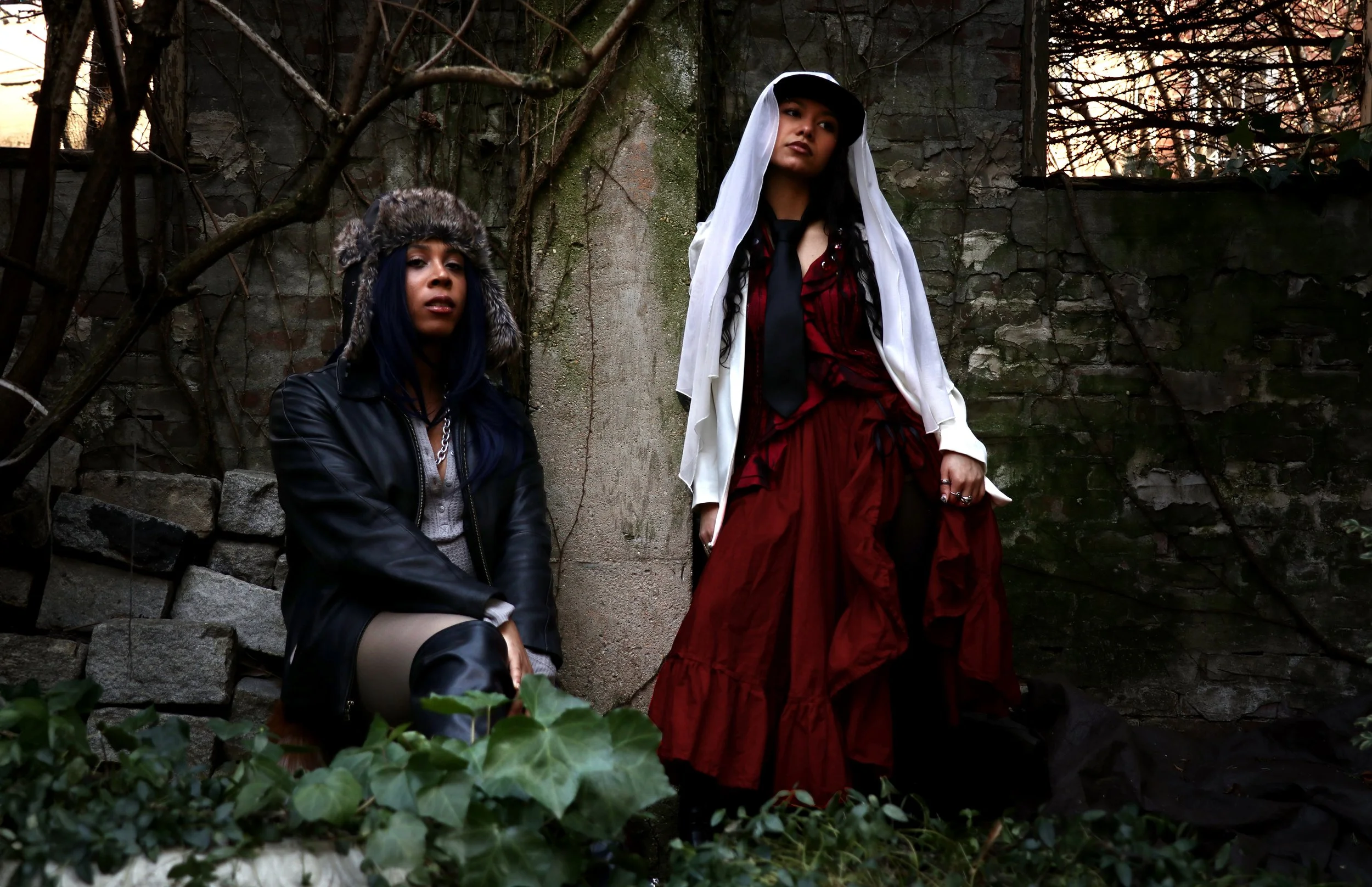
J: How do you break away from constantly being told who to be?
A: Honestly, I think I’ve always had a strong sense of self deep down. Even when I went through difficult times, there was always this internal knowing that I couldn’t completely abandon who I was.
As a child, I viewed the world in extremes. So whenever I felt trapped in situations where I couldn’t express myself creatively or authentically, it genuinely felt like a matter of survival. Like, if I don’t become myself fully, then I wouldn't survive spiritually or emotionally. Pursuing creativity feels non-negotiable to me.
J: How has your cultural background influenced your work?
A: Growing up Puerto Rican and Chinese has been a really interesting experience. I feel more closely connected to my Puerto Rican side because I was raised by my Puerto Rican grandparents and surrounded by that culture at home. That side of my family taught me what belonging feels like, through food, family, music, and everyday rituals. There’s a warmth there that feels very grounding.
At the same time, growing up in America means constantly navigating assimilation. A lot of immigrant families are encouraged to suppress parts of themselves to fit into American society and get closer to whiteness or acceptability… that’s something I’ve been unpacking deeply in my work recently.
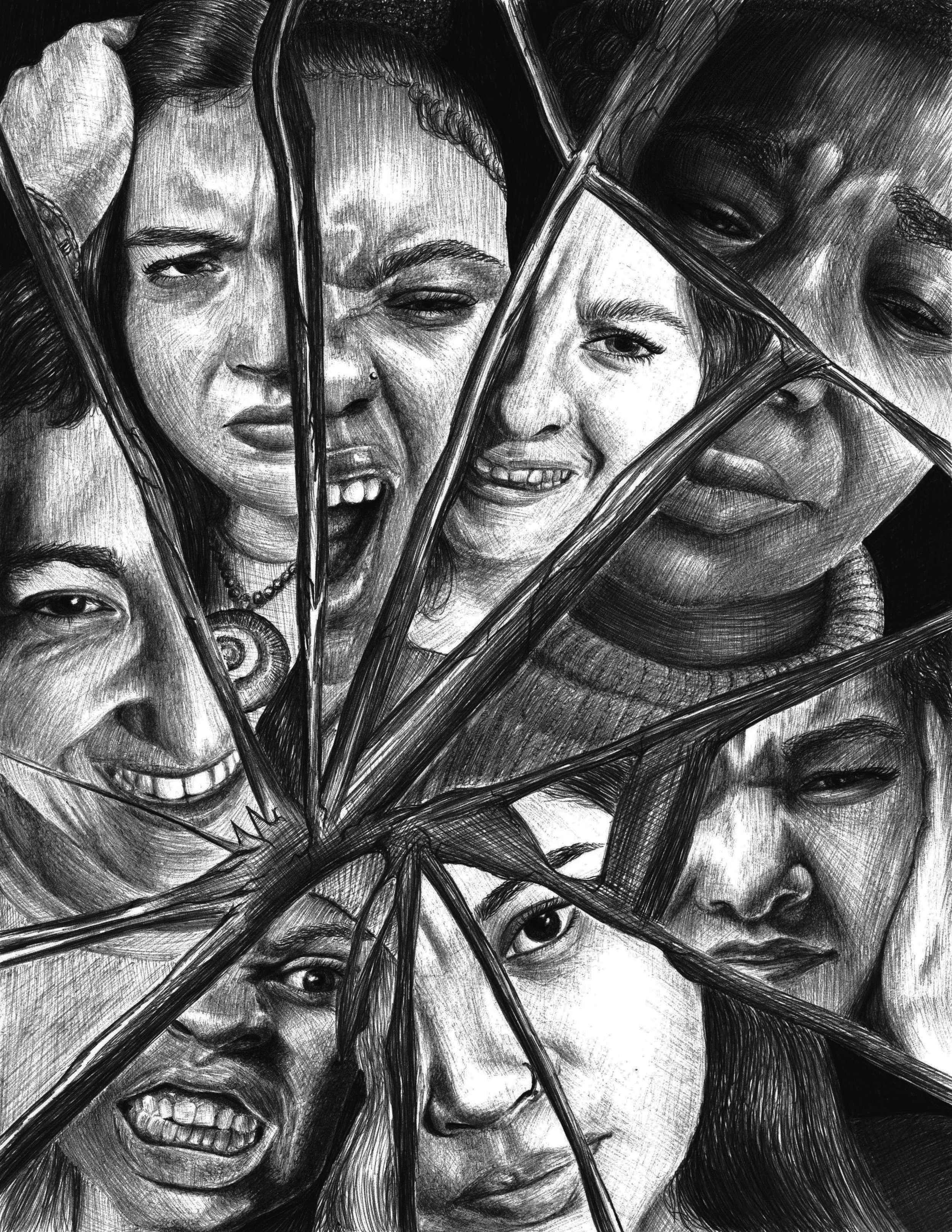
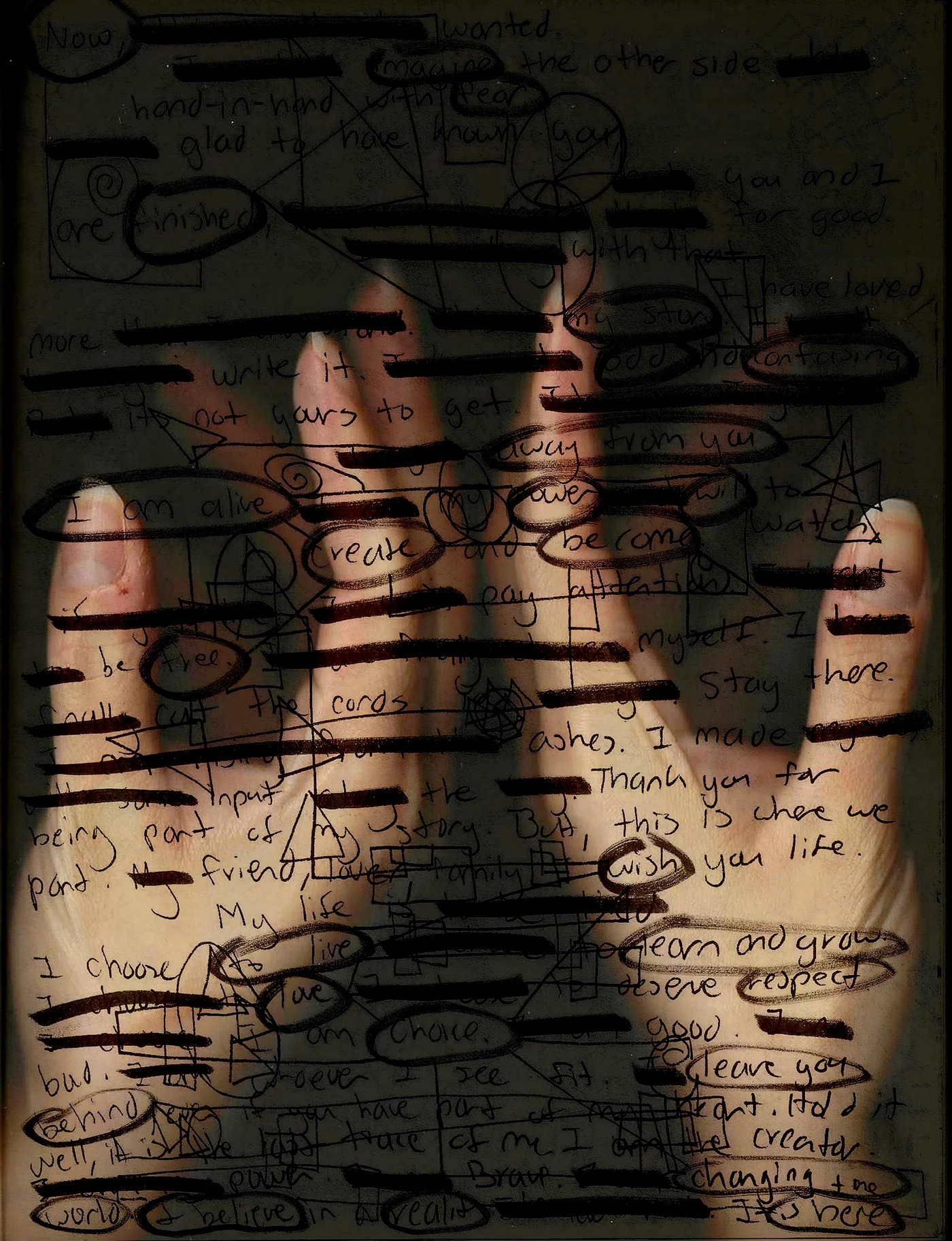
My newer work is focused on deconstructing systems like capitalism, patriarchy, white supremacy, and assimilation—basically examining the structures that disconnect us from our roots and identities. I’m especially interested in reconnecting with my Puerto Rican culture because that’s where I feel the most aligned emotionally and spiritually. For me, that looks like teaching myself Spanish because my family didn’t teach me growing up. It looks like traveling to Puerto Rico for artistic projects. It looks like I’m intentionally placing myself in Latin communities that celebrate joy, culture, and connection.
I think a lot of people who grow up between cultures experience this moment where they realize: Wait, my culture actually matters to me. I want to reclaim it. That’s where I am now.
J: What’s your coffee order?
A: I’m actually a certified barista, so I usually make my own coffee. My go-to order is a double-shot espresso with oat milk, mocha, sea salt, cinnamon, and maple syrup. The sea salt is essential.
J: What’s something you think is underrated?
A: I think questioning the structures you’ve been taught to identify with is underrated.
Whatever belief systems, traditions, expectations, or identities you’ve inherited, being able to step back, examine them critically, and push against them when necessary is really important. A lot of people never question the systems shaping them. And honestly, I think everybody is an artist in some way. Everyone is imaginative and creative, but most people don’t pursue the things that are truly calling them because they’re too afraid to step outside of what’s familiar.
J: What’s something you want people to know about you?
A: I take being an artist and role model very seriously. If you want to inspire people or create meaningful work, you have to genuinely do the work internally too. You need substance behind what you’re saying and creating. I want to build something that lasts beyond me—a legacy, a new way of thinking, something that can truly affect people.
J: What makes you angry?
A: Honestly? The state of the world. I hate how complacent society has become. I hate how people absorb systems, ideologies, and ways of living without questioning them, then continue passing them down generation after generation.
Whether it’s politics, capitalism, or social structures, so much of the world functions in ways that feel spiritually empty and harmful. At the same time, though, that frustration also motivates me. It makes me want to collaborate with people who are imagining something different and creating new possibilities outside of these systems. So it’s both anger and excitement.
J: What motivates you?
A: What motivates me is the understanding that my art isn’t really about me. Yes, I created it. Yes, it comes from me. But ultimately, what matters most is what the work does beyond me. How does it affect people? What conversations does it create? What changes because of it? That’s what I care about the most. I want the world to become a better place through the work that I make.
J: #Agreed thank you so much for your time Alana!
Interested in being featured? Email us at 2latemag@gmail.com!
