The Curious Case of John Galliano
Text by Ruben Arturo Pimentel
Just one month after the Metropolitan Museum of Art announced that its 2027 Costume Institute exhibition would be a retrospective on the work and life of British designer John Galliano, the museum swiftly cancelled it. Met with equal praise and criticism, John Galliano said in his statement announcing the decision to step down as the Metropolitan's thematic focus,
“I do not want the debate surrounding me to place The Met in a difficult position or to distract from the remarkable work of the Costume Institute. I also recognise and respect that an exhibition honouring my work would be painful for some.”
Some fashion enthusiasts were ecstatic to finally see one of the world’s biggest museums dedicate an entire exhibition to arguably the most lauded designer of the 21st century. In contrast, others raised serious concerns over Galliano’s past.
Galliano’s career began in the mid-80s when his explosive graduate collection at Central Saint Martins caught the attention of a then-young Anna Wintour and Andre Leon Talley. He then spent several years at the helm of his eponymous label before major fashion houses Givenchy and Christian Dior tapped him. His latest work came from the house of Margiela, where his final couture collection for the brand became the most talked-about collection of 2024 and leading into 2025. But while Galliano rose to the highest realms of fashion, it was ultimately his own actions that caused his dissension.
In February of 2011, Galliano was recorded in a Parisian bar hurling antisemitic insults at patrons in the establishment, telling one woman that her ancestors would have been murdered in gas chambers and calling another a “fucking Asian bastard.” After it had been publicly revealed that Galliano had been arrested and questioned for over five hours, a video of a previous incident was released, in which he repeatedly claimed he “loved Hitler.” While this incident was not the first time others witnessed his behavior, it was also not his last. His most public altercation, which involved hurling hateful speech at a couple, was the inciting reason for his immediate suspension and eventual firing as head designer at Christian Dior. Galliano issued a public apology for his actions and has cited his substance abuse as a reason for his behavior. Galliano was later charged and found guilty of his racist and antisemitic rant and fined 6,000 Euros.
Galliano did step out of the limelight for a few years to recover, not only from his substance abuse issue, but also to quell the public outrage that had consumed the media. In October 2014, Galliano was announced to become the creative director of Maison Margiela, with his debut collection to be presented in January 2015.
For over a decade after his fall from grace, Galliano began to rebuild trust again in the fashion world. Maison Margiela, while less recognized by mainstream culture, has been one of the most respected fashion houses. His Fall 2024 couture collection raised not only Margiela to the top of the public consciousness, but Galliano as well. The makeup, the atmosphere, the music, but especially the clothes, were among the most talked-about fashion moments of that year.
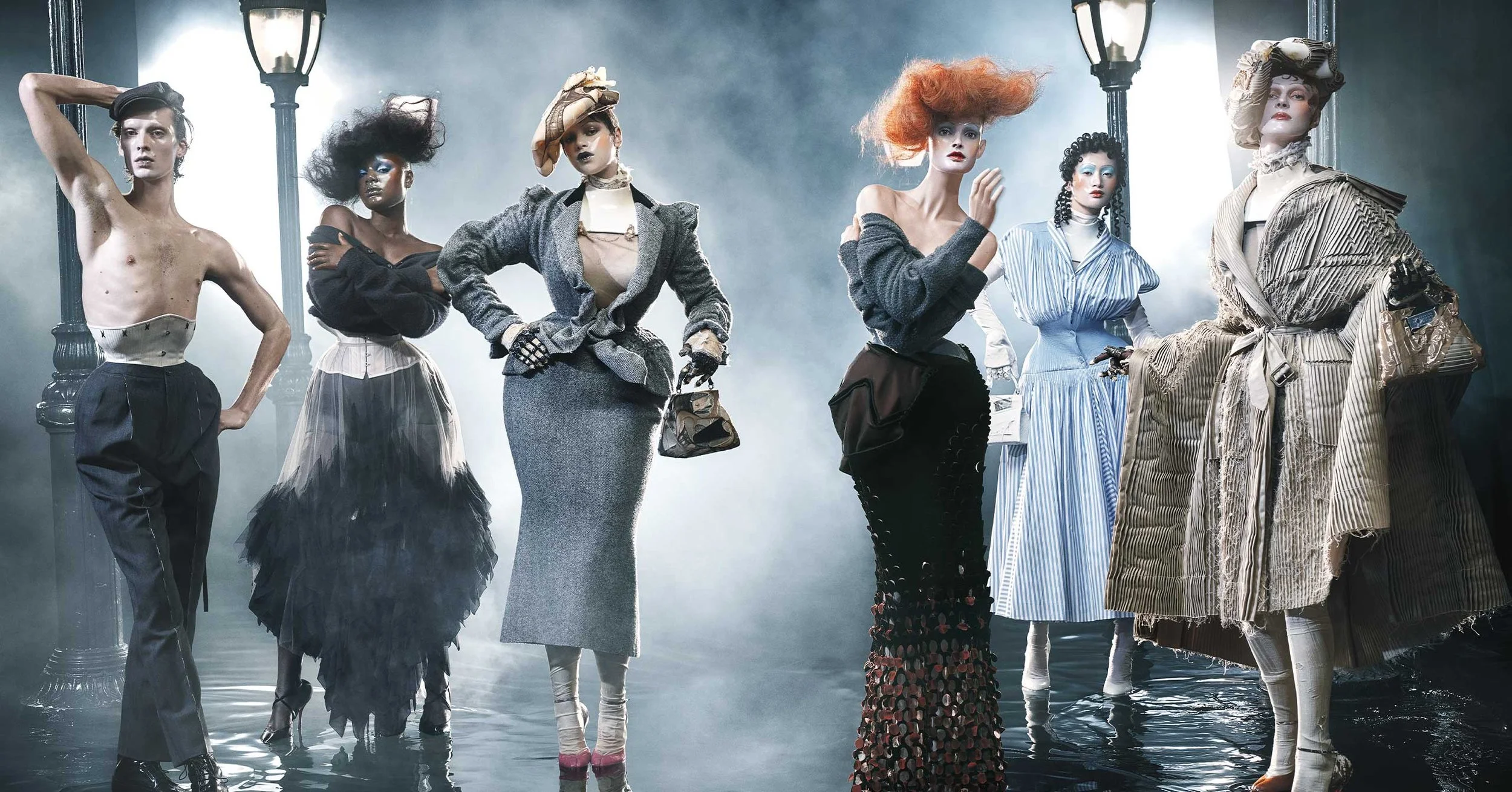
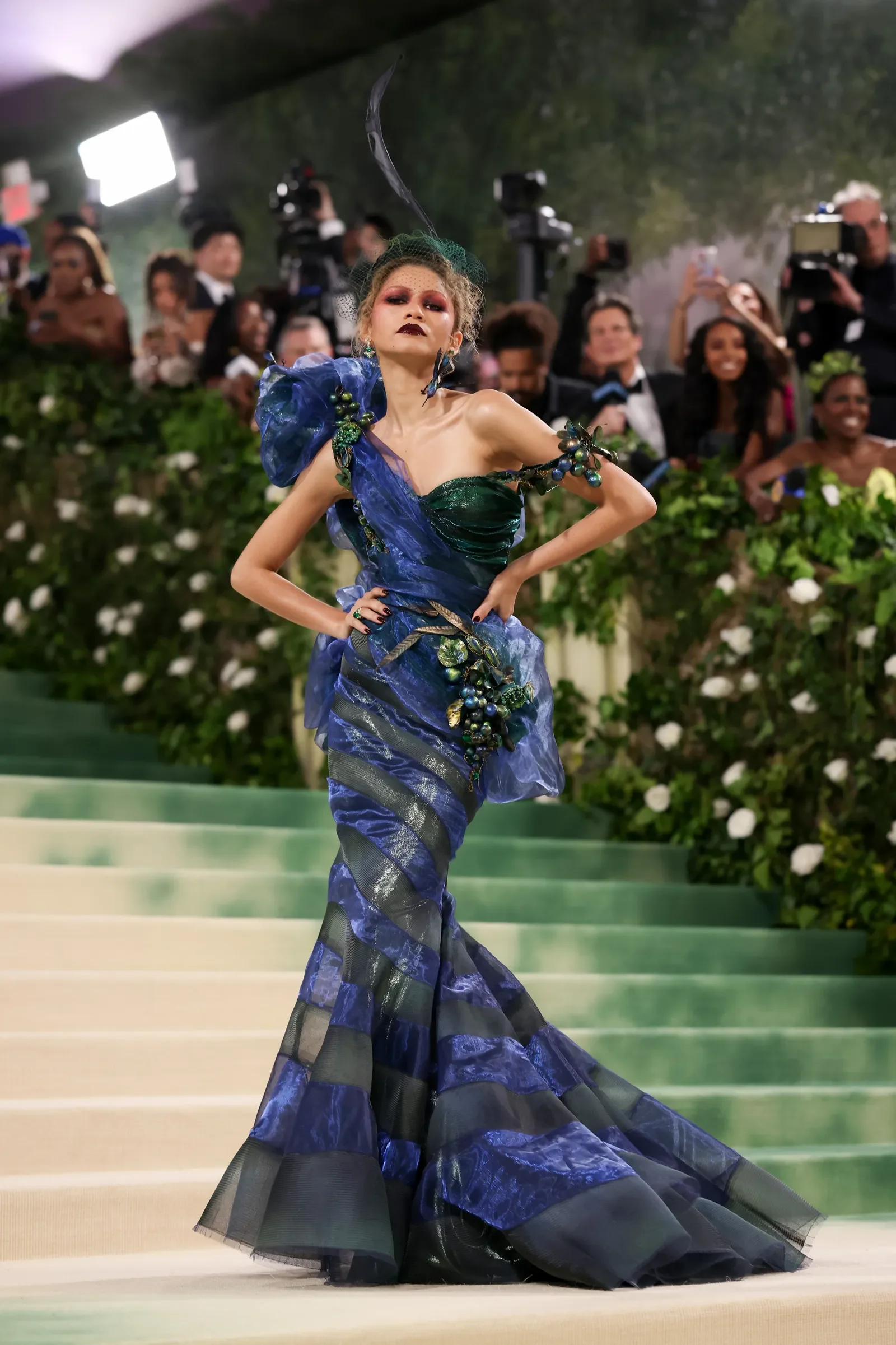
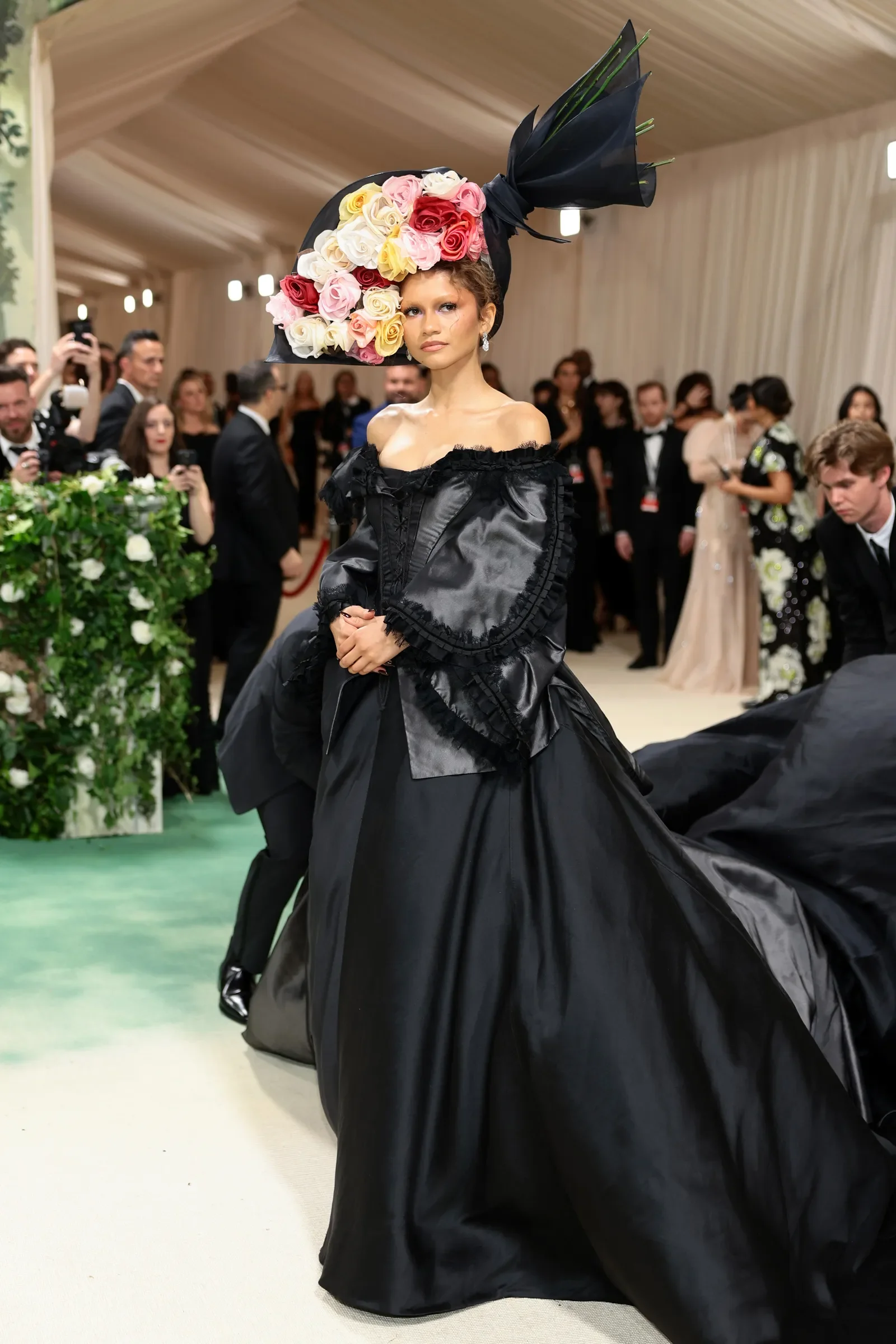
Every major celebrity seemed to want a piece. Ariana Grande, Anya Taylor-Joy, Zendaya, Kim Kardashian, and Bad Bunny were just some figures seen wearing Margiela couture to events and the subsequent Met Gala. Zendaya’s dual Galliano looks for the 2024 Met Gala were the most shared and discussed looks that year. It seemed Galliano did not suffer any long-term damage from his racist actions, gaining the trust of another major fashion house not long after his very public firing from the most revered French fashion house in the world.
While Galliano’s incredible work has convinced many to look past his turbulent past, one person has worked behind the scenes the entire time to ensure the designer succeeded. Since Galliano’s Fall/Winter 1994 show for his eponymous brand, Anna Wintour has been Galliano’s biggest supporter. She and Andre Leon Talley helped the designer stage his runway presentation when he lacked sufficient funding to showcase his designs. Wintour and Talley were able to secure not only the venue for free, but every model was unpaid, citing their love and respect for Galliano as their motivation to walk. This legendary show—which Wintour has cited as her favorite show of all time—helped him gain the creative reins of Givenchy and Christian Dior.
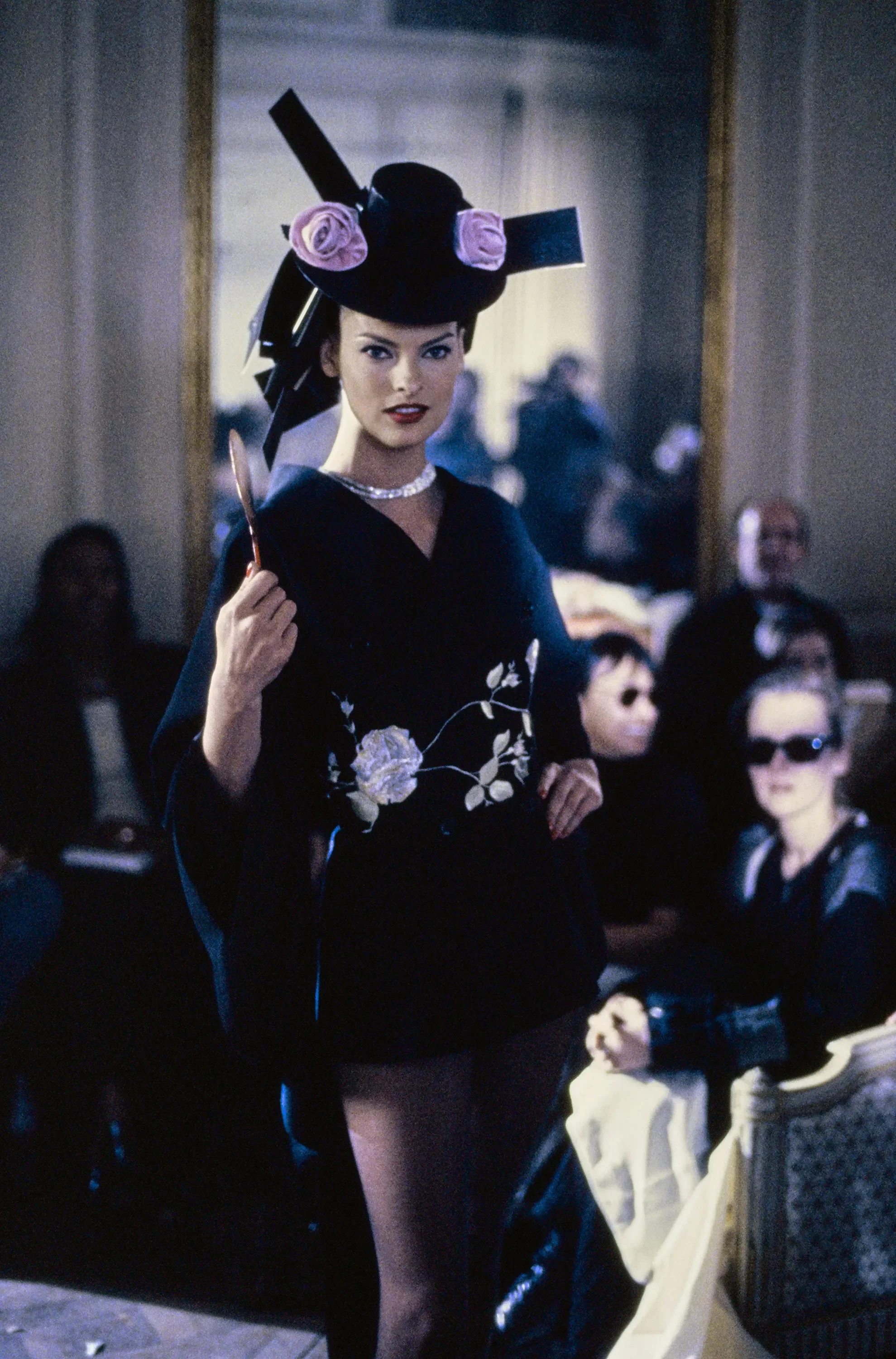
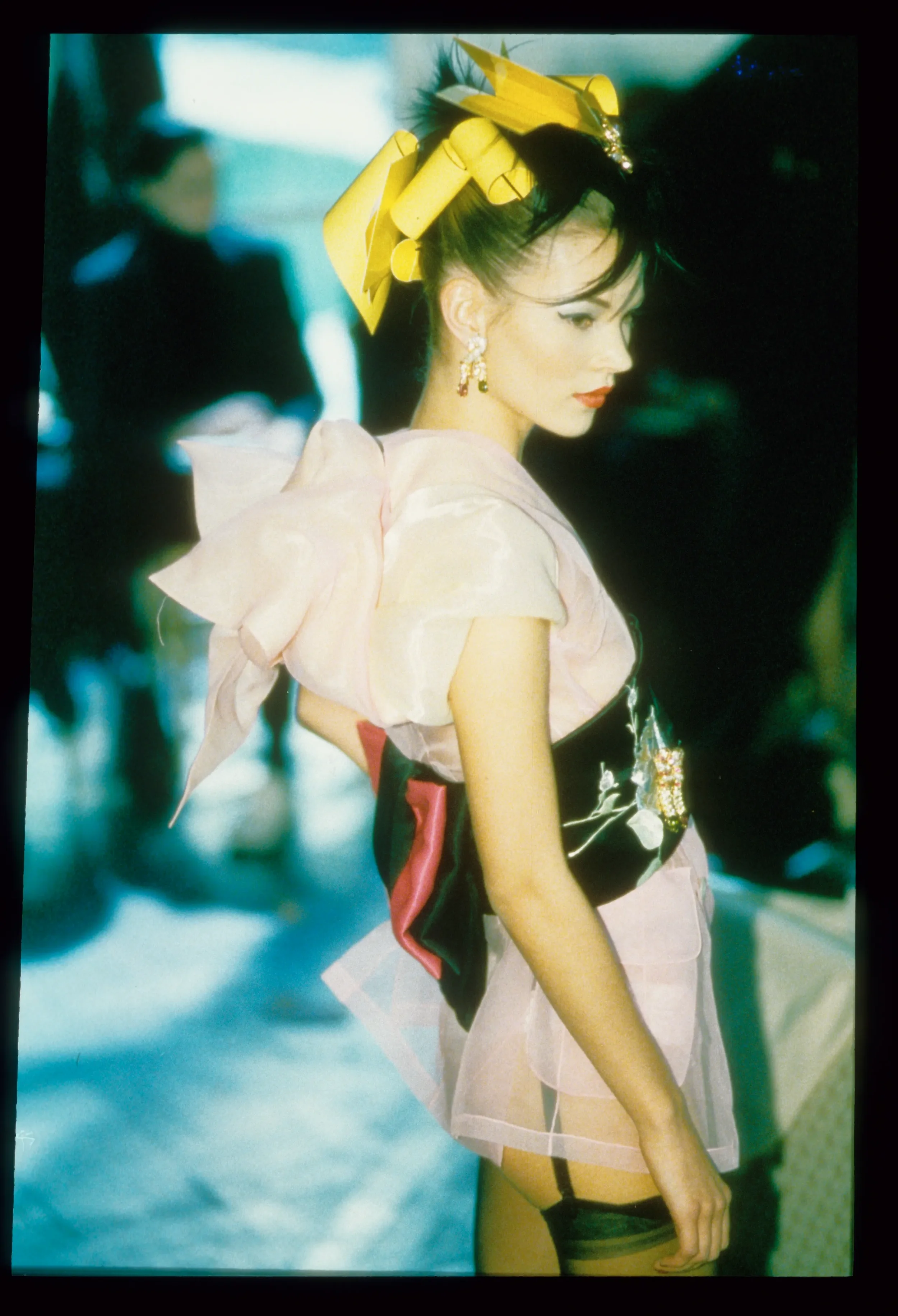
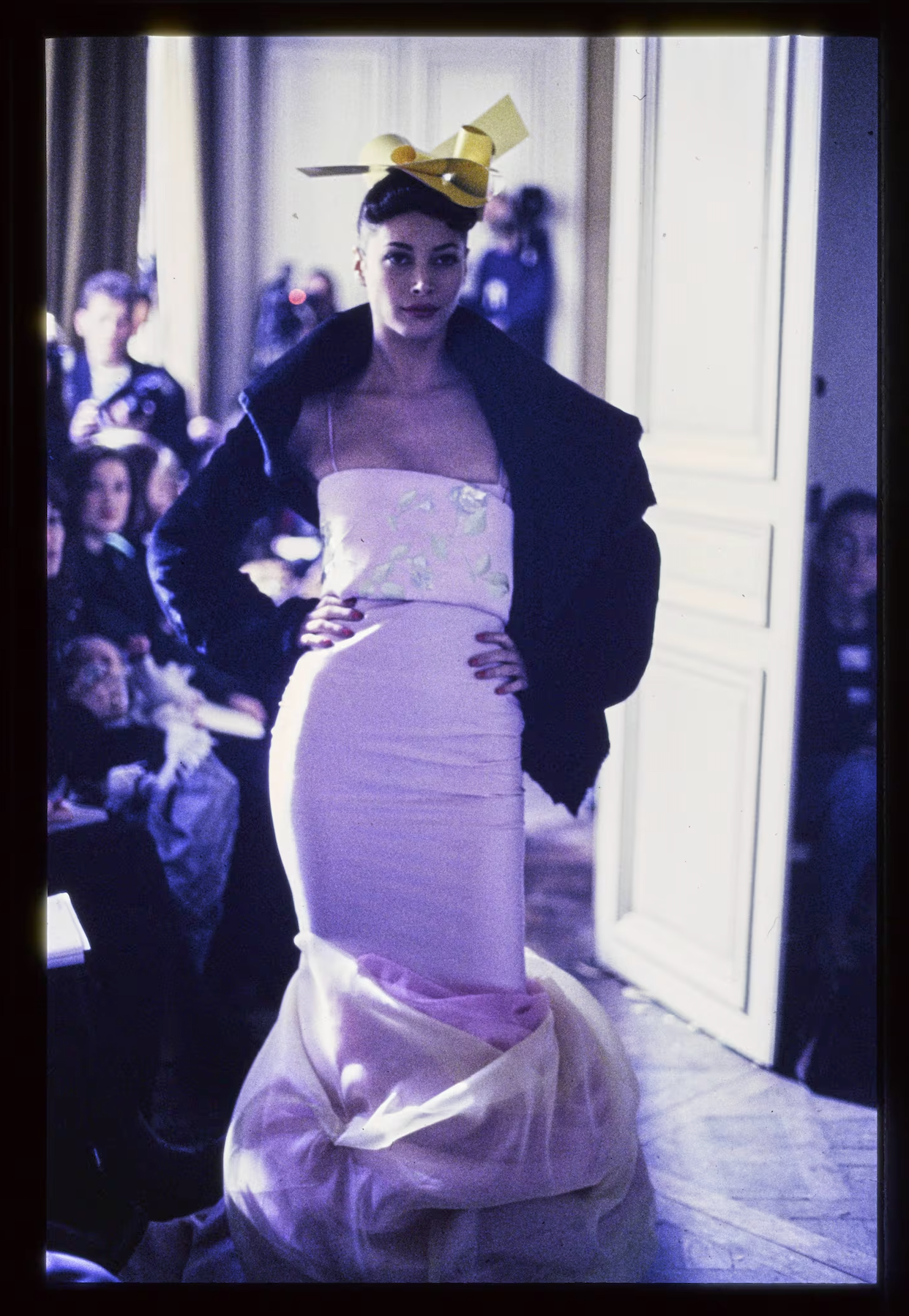
Anna Wintour constantly included Galliano’s designs in the pages of Vogue during her tenure as Editor-in-Chief. When the exhibition was announced, she admitted that while Galliano was extremely talented, his past had to be addressed. The head curator for the Costume Institute, Andrew Bolton, alongside Galliano and Wintour, stated during the announcement of the retrospective that they had spoken to cultural and religious Jewish leaders to ensure Galliano’s past would be addressed with delicacy and honesty. But it seems that wasn’t enough.
Several prominent Jewish political leaders and New York elites who prided themselves on donating to the Costume Institute spoke out against the exhibition. Dana Thomas, author of “Gods and Kings: The Rise and Fall of Alexander McQueen and John Galliano,” in a statement for the New York Times:
“Our culture offers endless examples of artists who behave disgracefully and are revered nonetheless, and high fashion, to some degree, and explicit celebration of wealth inequality, has never been the place to look for lessons on virtue. Even so, Mr. Galliano's rehabilitation, indeed his coronation, is a remarkable turn of events. As Mr. Galliano's biographer, I think it is a terrible idea.”
The overall concern was about highlighting a person who had a past of anti-semitism. The pushback against the designer’s retrospective became far too great to ignore. Galliano himself issued a statement backing down from the exhibition, citing that his past would become too much of a distraction and take attention away from the exhibition and the work it took to create it.
What has interested me about this entire debacle was witnessing how much of Anna Wintour’s influence can be felt. Her growing control of the Met Gala over the years has been covered at length, but this feels like the first time the editor’s personal taste affected what the museum curated. There have been very few instances in which the Costume Institute has honored a designer while they are still living; Muccia Prada (Schiaparelli and Prada: Impossible Conversations 2012) and Rei Kawakubo (Rei Kawakubo/Comme des Garçons: Art of the In-Between 2017) being the only times in which they have done so. The Met has preferred to mostly focus on designers who have passed (Karl Lagerfeld 2023, Alexander McQueen 2011, Gianni Versace 1997). But why now? Why honor a designer who is still alive and could create more iconic fashion moments?
This decision is even more interesting after news broke that he had been hired by major fast-fashion retailer, Zara. It seems that Galliano—and by extension Wintour—believed that after a decade of designing some of the most beloved collections in Paris, it was time for the designer to re-enter the spotlight in a major way. This double play was orchestrated to get his designs into the wardrobes of the masses through Zara and into the minds of every art lover through a showcase of his most revered work. There seemed to be only one small issue with this plan: the internet never forgets, and if it never forgets, it will never forgive.
As the times evolve and new voices dominate the fashion industry, Anna Wintour’s influence on culture seems to have faded. But this most recent fumble on Wintour’s part points to a larger problem that traditional streams of culture have slowly begun to address. Time no longer heals all wounds when the damage can be replayed over and over again. The video of John Galliano repeating “I love Hitler” is just a few clicks away on YouTube, and the words have not lost their power over the years.
Before the age of constant camera surveillance, if a public figure committed a disgraceful act and if you had enough power to curtail newspapers and network morning shows, the incident could be grazed past like a ship in the distance. But Galliano and Wintour no longer have the luxury of creating Vogue-issued puff pieces to quell public outrage; their biggest critics are social media comment sections. While the conversation about how appropriate it was to honor a fashion figure with a sordid past like this is important, what interested me was just how futile the preventative measures Vogue and the Met took to curtail public outrage were. No amount of culturally-conscious apologies could have stopped the public from roasting Galliano on a grill.
John Galliano resides in one of the most challenging positions in culture. While he has seen just how much he has shaped the fashion landscape—his work at Christian Dior being among the most sought-after pieces in the vintage fashion world—his past offensive remarks to members of the Jewish community have permanently locked him out of being honored for both his work and himself. While Galliano might never receive the museum retrospective his art might deserve, he will just have to be content in the meantime with his vast wealth and French countryside estate.
