The Kalshi Takeover: A Gamble in Every Thread
Text by Divina Boko
This year’s World Cup was one for the history books. With tensions on the rise in the United States, it seems this every-four-year event was particularly special for everyone. Countrywide solidarity no matter where your origins, overwhelming support for the underdogs, some even switching sides once their teams were eliminated—and just overwhelming fun. It was a beautiful change in pace. Some traditions, however, don’t change. When looking at sports culture, it’s almost impossible to ignore the money-maker in the room: betting.
Let’s Look at the Spread
Betting lets fans place wagers on practically any sport, including horse racing, basketball, and football. It’s a way to flip money while simultaneously spectating a game you were already planning to watch. The process can be a bit daunting for a beginner. Thankfully, the Entertainment and Sports Programming Network (ESPN) has an extensive guide that walks you through all corners of the betting world and even tests users on their knowledge.
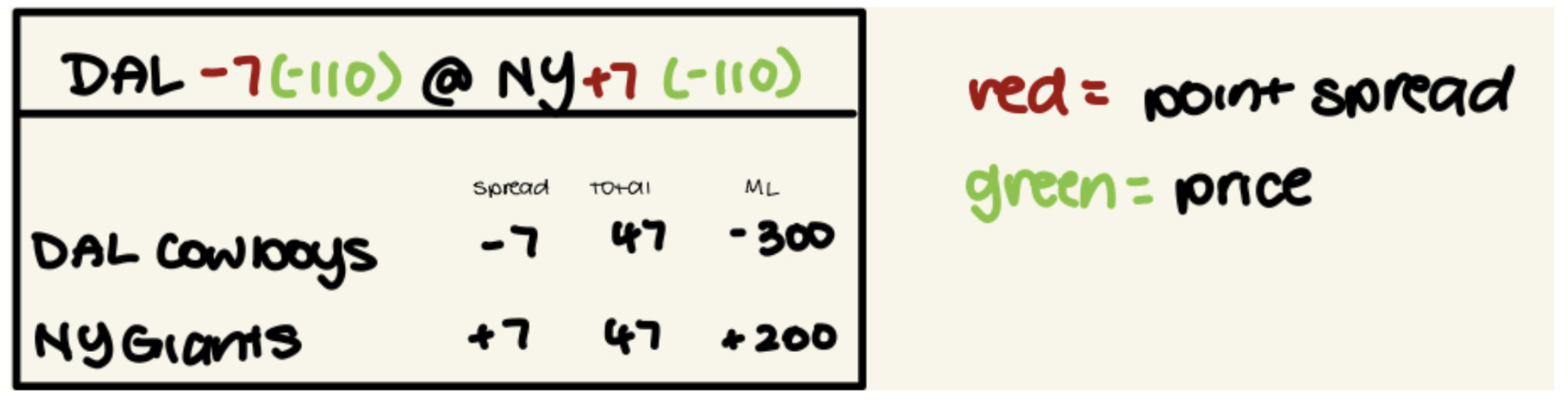
At its core, the concept is quite easy. Before you make a decision, you have to look at the spread. A spread is a specific type of wager designed to even the playing field between teams of varying skill sets. Some teams tend to be more popular and/or generally stronger than their adversaries.
In an example spread, courtesy of ESPN, two teams are pitted against each other: the Dallas Cowboys and the New York Giants. Amongst the two, the Cowboys are the popular choice while the Giants are labeled the underdogs. Between each team’s acronym is the point spread followed by the price. Since the Cowboys are expected to win, the wager says the Giants must either win or lose by less than 7 points in order for fans to win money. On the flip side, the Cowboys must win by at least a 7-point difference. Next to them are the prices (-110). The breakdown is that if you put down $11, you get $10 more if you win, giving you the opportunity to leave with at least $21. If none of those rules are fulfilled by either team, bettors get all of their investments returned free of charge. With stakes as sweet as these, you can’t fault people for taking a bite; some even come back for seconds.
Homerun!! Or wait, was it touchdown??
Sports betting isn’t all bad. For starters, it brings more eyes to a game. No matter what someone’s motivations are for becoming a spectator, they’re still watching. Viewership and ratings help support the networks. It also increases visibility to a team’s performance, allowing fans to establish some kind of relationship with the athletes. Yale professor Nathan Novemsky, who has performed countless studies on the psychology of gambling, argues that the nature of gambling isn’t just monetary incentive; that “there has been an explosion in fantasy football participation among fans. These activities fundamentally change the way that fans view sports. Their excitement is not driven by teams winning and losing, so much as it is by ‘their players’ having good games (good as defined by the relevant fantasy league rules).”
On the other hand, as a Redditor best put it, “It’s fun but super dangerous.” Even recreational or consistent bettors warn others that it can be a slippery slope. One day, you’ll see a win or two, enough to gain a bit of confidence and momentum. Then there will be a point where you lose a bet, but seeing your rap sheet, one more time wouldn’t hurt. As time goes on, there’s a chance you’ll suffer a decent amount of losses, but now, putting down money is no longer a want: it’s an addiction. What started off as a bet with using money now ends up as a gamble on your sanity. On September 24th, Kalshi asked the Federal Trade Commission (FTC) if they operate similarly enough to the stock market, where big bets don’t require you to have the full capital upfront. For an industry already blurring the line between entertainment and addiction, giving people the ability to bet beyond what they have only pushes that line further. No one will be surprised by that subsequent crash.
Trade What’s Next
During every major sports season, like clockwork, sportsbooking sites work desperately to stand out from the rest. They want your money, and they are certainly better than the other guy. So when Kalshi entered the arena, no one batted an eye. They rode the waves of the current zeitgeist and did fairly well. While competitors retreated into the shadows once things died down, Kalshi made it clear that they weren’t going anywhere. Other sportsbooking sites are just that: sports and betting. Many have a specific sport they gravitate towards, narrowing their potential customer base even further. No matter what, they all focus on male sports. Kalshi, however, changed the landscape forever.
They understood that the casual viewer wasn’t solely focused on sports. Their customer is multi-faceted, engaged with politics, the economy, and interestingly enough, fashion. Other sites weren’t taking the opportunity to explore these avenues. Kalshi did what no other had done: they started garnering a female audience. From bets on when the next season of Euphoria will be released to wondering what the cast will say in episode 9 of Love Island’s latest season, they knew the way to get their attention was to appeal to their interests.
Now, is believing that all women care about is who’s wearing what or what celebrity couple is getting engaged next inherently misogynistic? Of course, which is why they covered those bases too. In their ads, they take female sports fans seriously. They put women as the main character in their ads, recruiting female influencers to boost engagement, and even went as far as recognizing female athletes and their accolades both in ads and in bets placed. Pretty progressive for a predatory site!
C is for Chanel Capitalism
Lately, fashion has been…weird. From Raising Cane’s NYFW debut in September 2025 to the strangely placed war memorabilia on clothing, every day that someone enters the fashion corner is certainly a new one.
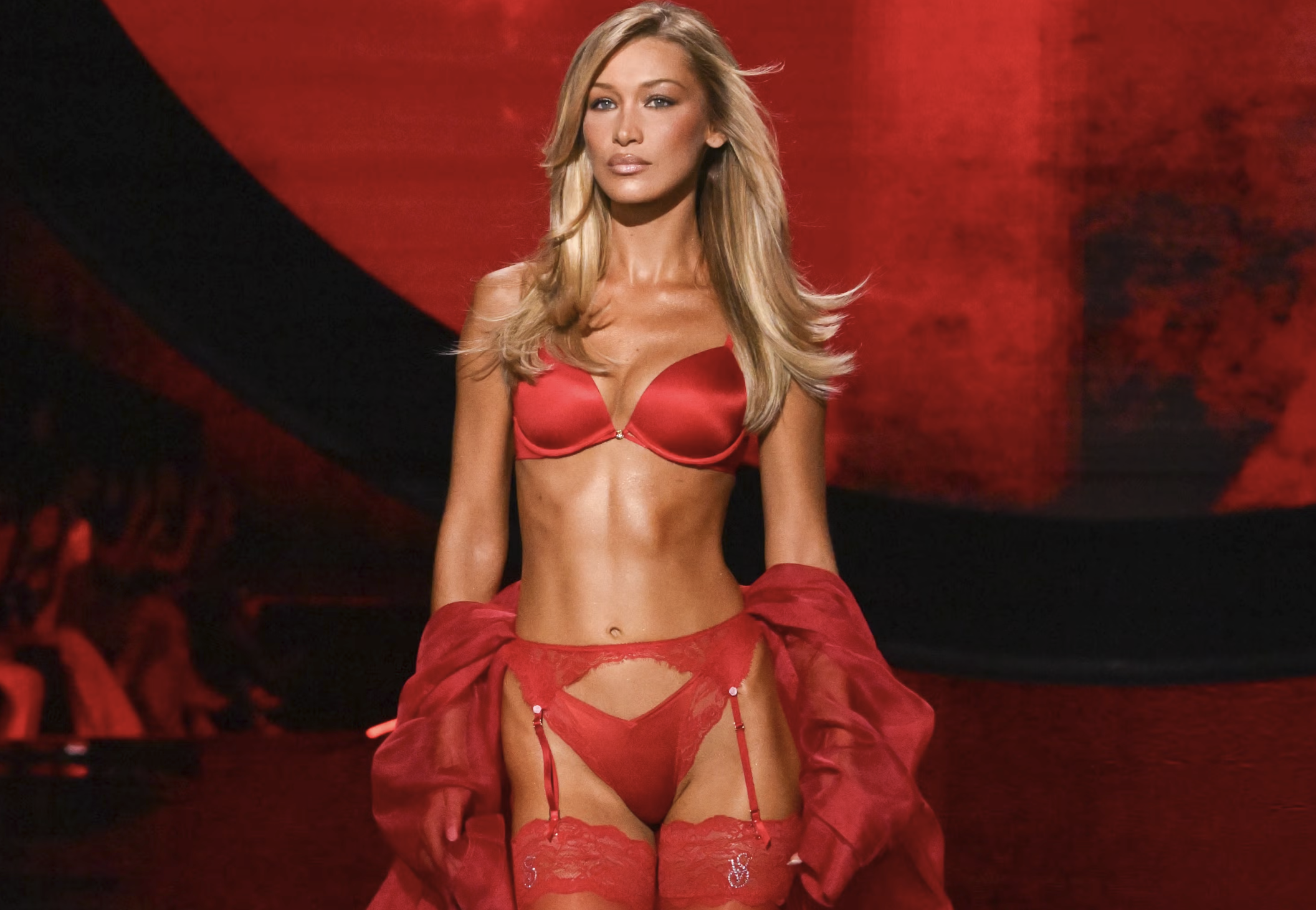
As mentioned earlier, fashion enthusiasts moved certain topics of conversation to a more competitive landscape. Why get bragging rights for guessing correctly when you could get money instead? Back in December, a bet was placed on what designer wedding dress Taylor Swift would wear, which was valued at $326,310. Another bet was placed on which model would be showcased at the Victoria’s Secret show earlier this year. That was valued at $24,789. Although the conversation hasn’t gotten to the hellish topic of which creative director is going where, we mustn’t be blind to the growth of it all.
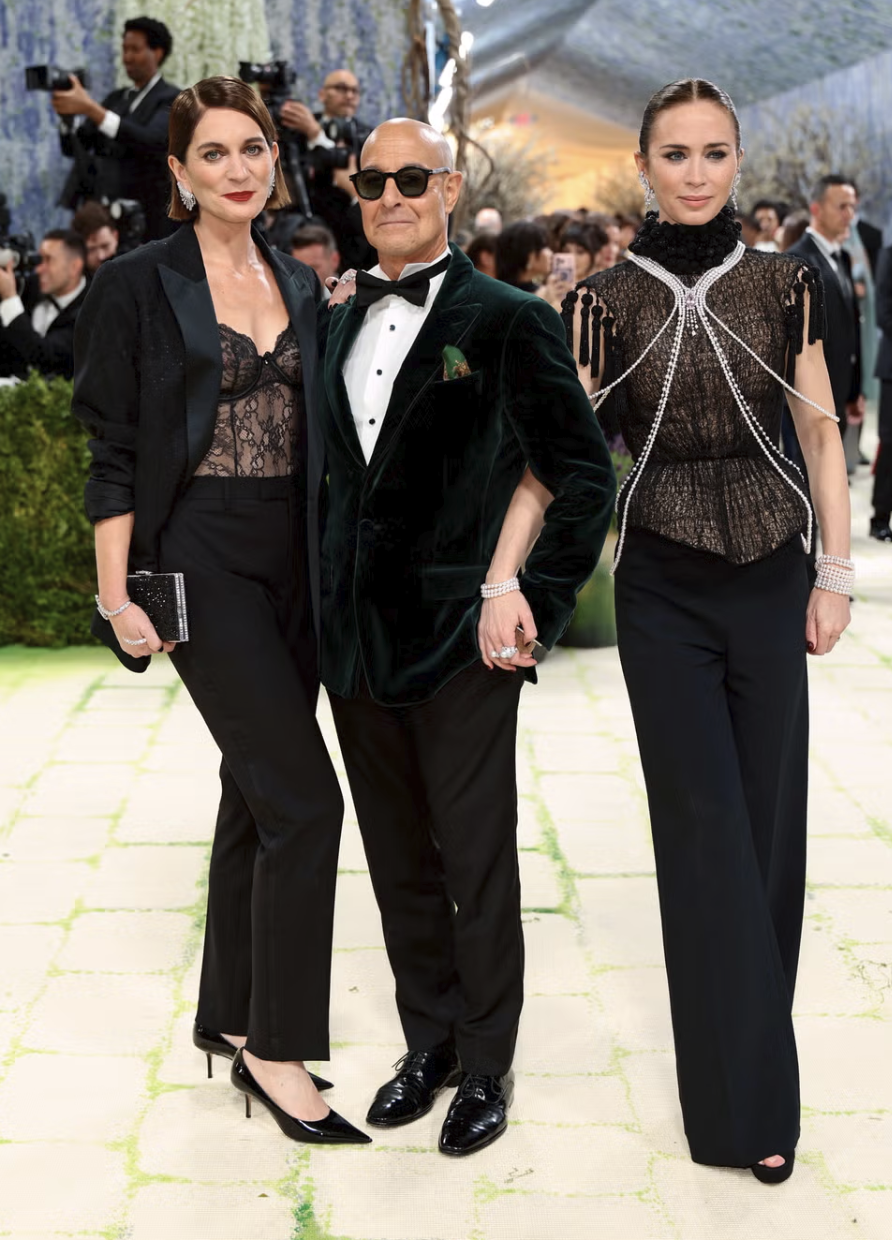
The Met Gala, just like every year, is the fashion world’s Super Bowl. Enthusiasts and fans alike flock to their screens on the first Monday in May to gaze upon the choices made by the celebrities, stylists, and partnered fashion maisons. What once was a guessing game about who would be in attendance and what each look would be has become almost acquisitive. In May, W Magazine writer Andrew Zucker sat down with James Harris, the co-host of the podcast Throwing Fits, as he explained that although he was typically a sports bettor, he thought he’d give the fashion world a try. Zucker went on to write, “He staked $120 across three positions on Kalshi…betting that celebrities Stanley Tucci, Meryl Streep, and Emma Chamberlain will appear on the red carpet. ‘I’m going big on The Devil Wears Prada 2,’ [Harris] tells me.” Kalshi doesn’t seem to be the only perpetrator. Kalshi, alongside Polymarket (another betting platform), has amassed a $750,000 market with the Met Gala alone.
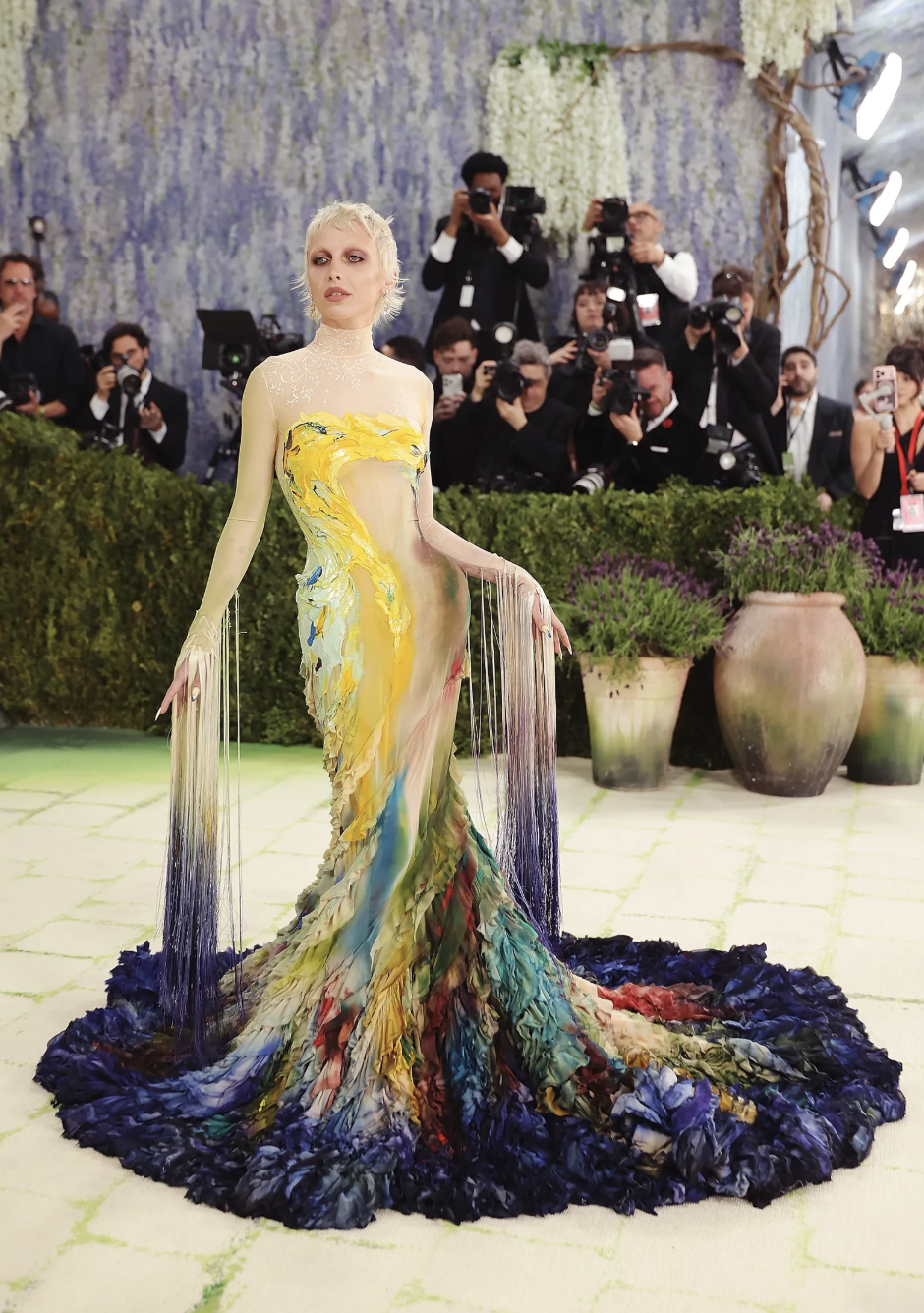
Beyond the logistical problems that will surely come about later, there is something else we must acknowledge. Fashion used to mean something. Runway shows, exhibitions, back-of-the-house privileges, even after-parties carried a weight to them. When you were not just allowed but also invited into these spaces, it meant that you deserved to be there. You didn’t just know how to dress or maybe even sew. You were a tastemaker, someone who understood storytelling, and although you can name some of the greats from the past, you were the key to unlocking the future of fashion. We can all admit that sometimes, the levels of exclusivity were especially unfair towards marginalized groups, even when they were the ones who kept these maisons running. In the same breath, we have left the door wide open, and some practices just don’t hold true anymore.
Bets like these raise a plethora of concerns in the fashion world. From the perspective of these platforms, they have to be very careful not to allow people with insider information to take part in these affairs. The type of questions that would commonly arise are: “Who will XYZ be wearing tonight?” and “Who will be walking the runway at XYZ’s show?” Or a crowd favorite, “Who will be the worst dressed of the night?” This type of discourse would stay within the walls of Twitter (X) not too long ago, but now every opinion you make can generate (drain) revenue.
Luxury fashion consists of six pillars: quality craftsmanship, desirability & exclusivity, brand history & reputation, emotional connection, price, and most importantly, the symbol of status. Depending on what corner of the industry you’re looking at, status symbols have shifted ever so slightly. The overarching ideal, though, was that just because something was expensive didn’t mean that it had taste. The same remains true today, but with the vintage market using the word “archival” in front of every skirt and T-shirt to justify pricing it in the thousands, it seems hard to remember. It also doesn’t help that we’ve been in an economic recession since the pandemic. People are still trying, some even failing, to recover financially. The gap between the middle and lower classes from the upper class grows bigger by the second. To maintain or at least feign the idea of status, clothing simply isn’t enough. Money, however, talks. If you rack up a certain amount of wins, it doesn’t just mean you have a lot of money. It means you are fashion literate and have a deep understanding of decisions being made. Before, creating your own library was enough to gain respect. Now, you have to have the bets and receipts to prove it was true.
Fashion Week has left as fast as it came. No need to fret; there’s always next season. Make sure all of your ducks are in a row, do adequate research, and make sure to start placing your respective bets. Be sure to keep your receipts because if you win, that will be the only way you’ll mean something.
