Do Sapphic Love Stories Have to End in Tears?
Text by Polina Kurdiuk | Substack
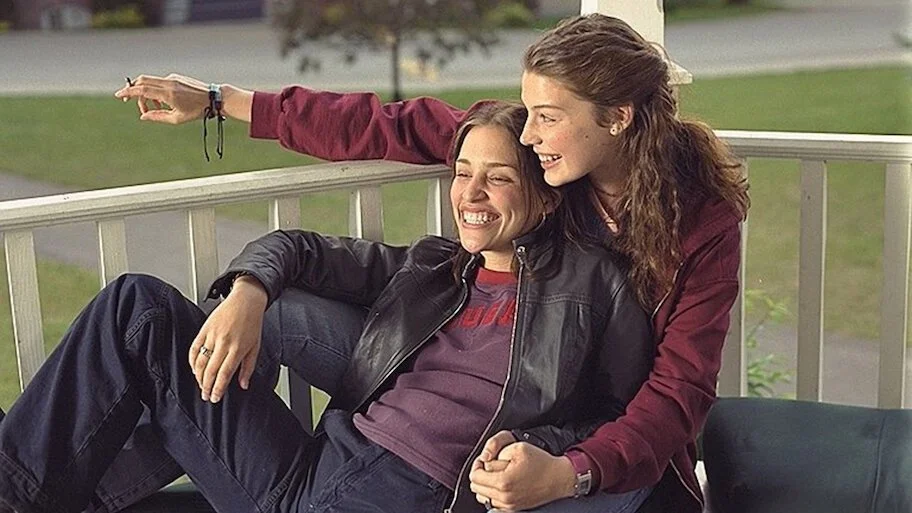
Piper Perabo and Jessica Paré in Lost and Delirious (2001)
I watched my first sapphic movie, Lost and Delirious, in high school, and I think it broke something inside me. I was still a teenager, discovering my sexuality, and it was the first story I encountered that ended in tragedy.
I still remember how shocked and heartbroken I was when (spoiler alert) Paulie jumped off the roof of the boarding school.
I thought to myself, ‘Why do all lesbian movies have to break my heart?’ after watching Blue Is the Warmest Colour. After that, I closed the chapter on consuming every piece of art about love between women. Yet, there was one problem: I still wanted to.

Léa Seydoux and Adèle Exarchopoulos in Blue Is the Warmest Colour (2013)
Old Hollywood and Its Habits
The first explicitly lesbian character debuted in the 1929 silent film Pandora’s Box, where Countess Geschwitz showed deep admiration for the film’s protagonist Lulu. In 1931, lesbian relationships appeared in the German feature film Mädchen in Uniform (Girls in Uniform), based on a play by Christa Winsloe, which follows a lonely young student who falls in love with her compassionate female teacher, challenging the institution’s rigid authoritarian nature.
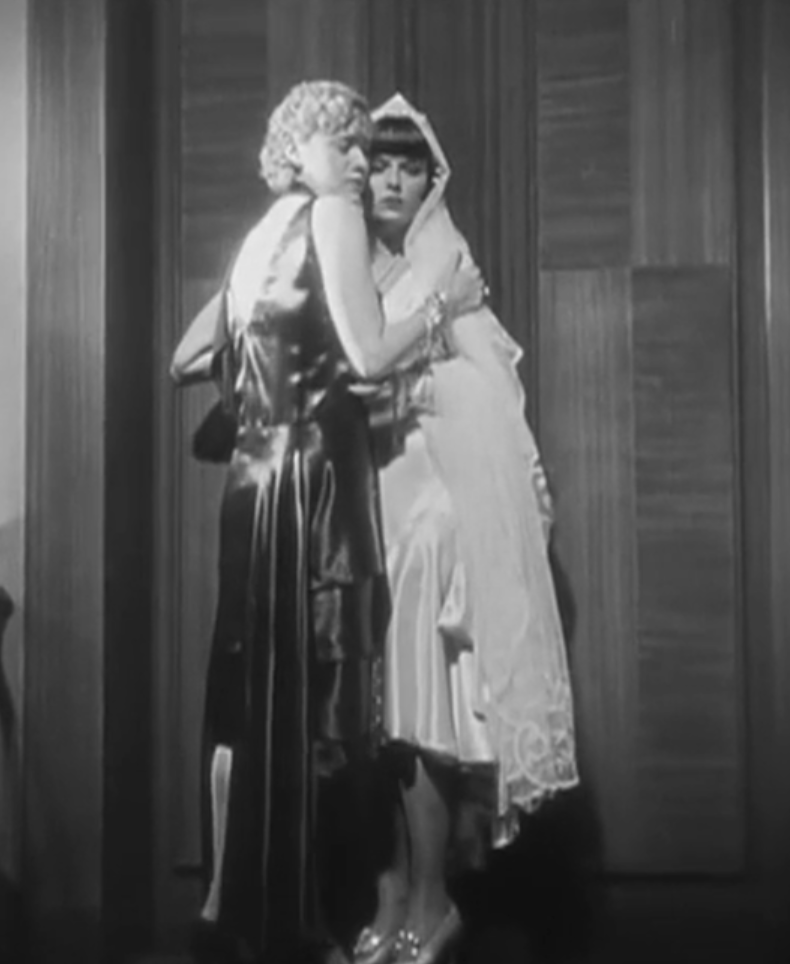
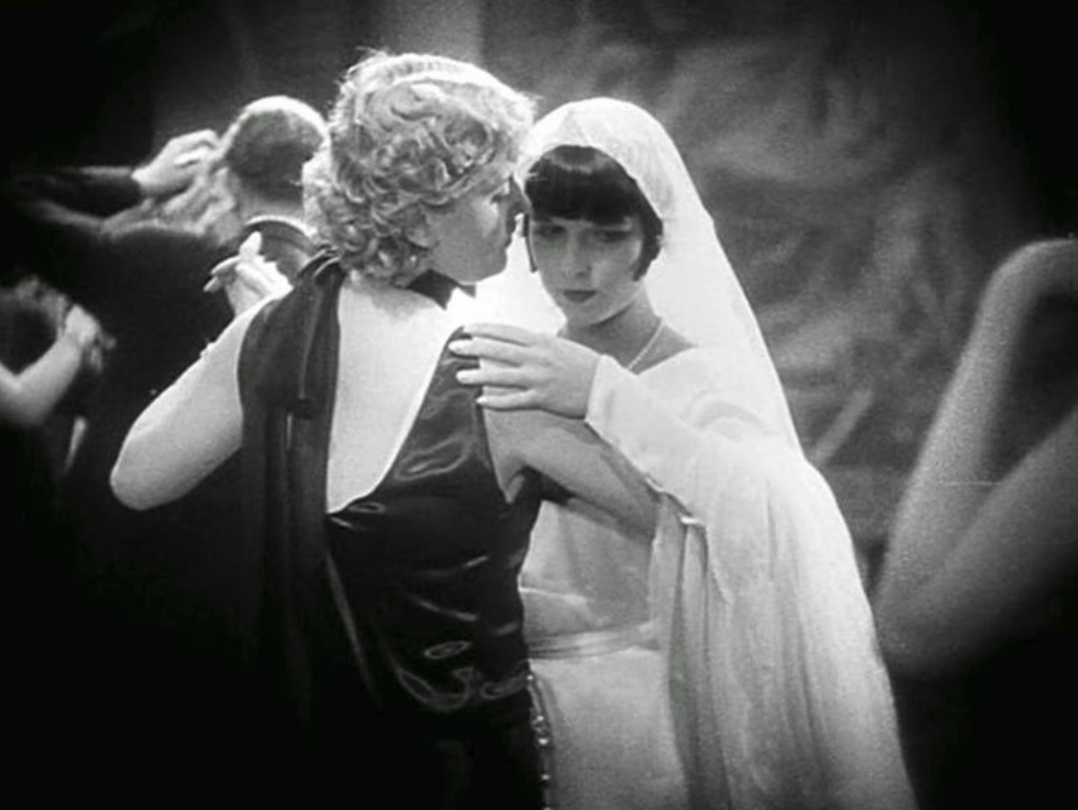
Louise Brooks and Alice Roberts in Pandora's Box (1929)
I’m sure many have heard of the Hays Code, formerly known as the Motion Picture Production Code. The “Hays” in the name came from William Harrison Hays, then Chairman of the Motion Picture Producers and Distributors of America. The goal of the organization was to ‘clean’ Hollywood by censoring drugs, nudity, sympathy for criminals, profanity, and sex in the film industry, especially after the scandalous 1920s. Queer relationships were de facto among the banned topics, even though they weren’t directly mentioned. Censorship encouraged filmmakers to portray queer characters as ‘villains,’ prolonging the stigma that gay people are evil when homosexuality was still considered illegal in the U.S.
In the 2000s, sapphic movies were still holding onto the remnants of the Hays Code, which was abandoned in 1968, but still carried some of the imprints of labeling queer people as evil or making their fate miserable. Queer female characters were still being killed off in scripts, influencing audiences, including me, and reinforcing the idea that filmmakers felt women had to suffer, reducing sapphic stories to an “aesthetic” longing, grief, and the impossibility of being together.
But why? The world—and Hollywood along with it—didn’t believe that two women could be happy together, refusing to show that sapphic relationships can be valid. And that is a huge issue when young girls and women look for an example of a lesbian relationship beyond their imagination…and end up disappointed.
Tragedy Is Art
By the 2000s, the Hays Code was long gone, and Hollywood—and parts of society—was more accepting of the LGBTQ+ community; but some of the representational patterns it helped establish remained. Tragic films felt and looked like art, but comedies were dismissed as light, unserious, and unworthy of a ‘real’ award.
Angst makes us search for deeper meaning in a film; it allows us to face our fears and tragedies without having to experience them ourselves. We connect to the characters on the screen, living through their emotions as if they were our own. But when a movie shows a happy, stable sapphic relationship, it is often dismissed as a “rom-com.” Blue Is the Warmest Colour won the Palme d’Or at the 2013 Cannes Film Festival, and it feels telling that its three-hour story of heartbreak and turmoil received such acclaim. The industry rewarded the pain, reinforcing the idea that sapphic tragedies are to be regarded as masterpieces, while sapphic stories built around ordinary happiness are more readily categorized as romantic comedy.
Hollywood appears to love the aesthetic of female longing: tragic first loves, painful goodbyes, non-acceptance, pressure from society, and choosing the “right” heterosexual relationship in the end as a way to fix one’s queerness. Secret love is presented as romantic, whether you conceal it from your parents or from the world. But it isn’t; it is stressful and destructive, and it can push you away from your true self.
Personal Experience
Imagine being in high school, or even younger, as you start questioning yourself and your sexuality. Naturally, you’ll want to immerse yourself in an infinite world of queer media and community, and among the vast majority of art available to you, you might find yourself turning to movies.
A pattern matters. One tragic film doesn’t determine someone’s sexuality, but being repeatedly faced with stories where lesbian love is associated with rejection, separation, or even death can create a false narrative about same-sex love and relationships.
Straight teenagers are widely represented in mainstream films and TV shows, which is where they can see happy versions of their future love lives. Yet, sapphic audiences didn’t have such a broad range to choose from.
When a teenager watches two high school girls fall in love, she may hope their story will last until the final credits, only to watch one of them jump from a roof. An adult can separate that ending from reality and recognize: “This is only one story. Not every relationship ends this way.” But a teenager still trying to understand her own sexuality may absorb something different and think: “Oh. So this is what happens.” This sentiment can affect any age, leaving one to wonder if this is something that might happen to them. They don’t even have to voice their fear. I didn’t necessarily have to voice my own. It was subconscious.
By all means, watching tragic queer movies doesn’t make teenagers believe they’ll end up miserable. But they’re learning what queer love looks like: is it safe, or perhaps something you have to hide? Is it temporary, or can it be as lasting as straight love? Can queer people get married, have kids, and live their happily ever after? Meaning, do people like me have a future? Naturally, we look at a character and think, “I want to be like them.” We identify with characters we see ourselves in—or wish we could be—empathizing with those who share our traits, stories, personalities, or simply our vibe, sometimes forming an invisible bond.
When I was in high school, I was just discovering my own sexuality and hoped to find a relatable movie. By Googling ‘lesbian movies,’ I found Lost and Delirious. I went in without any expectations, thinking it was just an ordinary teen love movie. Instead, I saw a possible version of my future relationships, and that scared me.
Tori’s self-rejection and ending the relationship with Paulie was hurtful but a somewhat logical decision to me. I understood why it can happen and why people mask their sexuality by dating who they’re “supposed” to date, especially in highly conservative families. The ending, though, was such a shock that I couldn’t watch anything related to LGBTQ+ stories for some time afterward. I couldn’t accept such a destructive ending.
Of course, everyone’s reaction is different, and stories are allowed to be tragic, but I lacked one with a happy ending. And not just “they kiss and live happily ever after.” I wanted representation of women loving women who kept living their lives; they grew up, they continued to love each other, they got married, and stayed together.
As an adult now, I can recognize that this was just one story, but teenage-me couldn’t separate a character’s fate from my own fears. So I wish I weren’t surrounded by tragic sapphic stories when I was growing up.
Happy Love?
So what happens when we stop accepting tragedy as the default sapphic love story? We recognize that suffering doesn’t equal seriousness.
Not every sapphic movie needs to be about coming out, overcoming homophobia, family rejection, or separation. It can also just be about love. About that very tender feeling of falling in love, the first date, the first kiss. It can be about a first school love, or an accidental meeting somewhere in New York before Christmas. It can be all kinds of things that straight movies have shown us for years.

Kizzy Edgell and Corinna Brown in Heartstopper (2022)
The TV show Heartstopper comes to mind; I couldn’t hide my happiness watching Tara and Darcy openly be lesbians. The show portrays their relationship in an ordinary, soft way. They are typical teenagers still figuring themselves out. I even felt a little jealous, since I didn’t have such a positive example of a same-sex relationship during my own teenage years. If I had watched Heartstopper then, I would have understood that queer people—including lesbians and bi women—have a future. That being in a relationship with another girl is normal and doesn’t need to be hidden.
It’s certainly hard to determine which ending is purely happy and which one is sad. And I don’t request that only cheerful sapphic movies exist; tragedy has a place in queer stories, too. What I wish I had been given was a choice to see something else: a version of what I envisioned for my future. I’m glad that perspective is changing.
