FACES 2 WATCH: Karina Nasywa
Featuring Karina Nasywa, Interview/Shot by Adriana Bolaños, BTS Assist by Mel Huang, Graphics by Emilia Silva
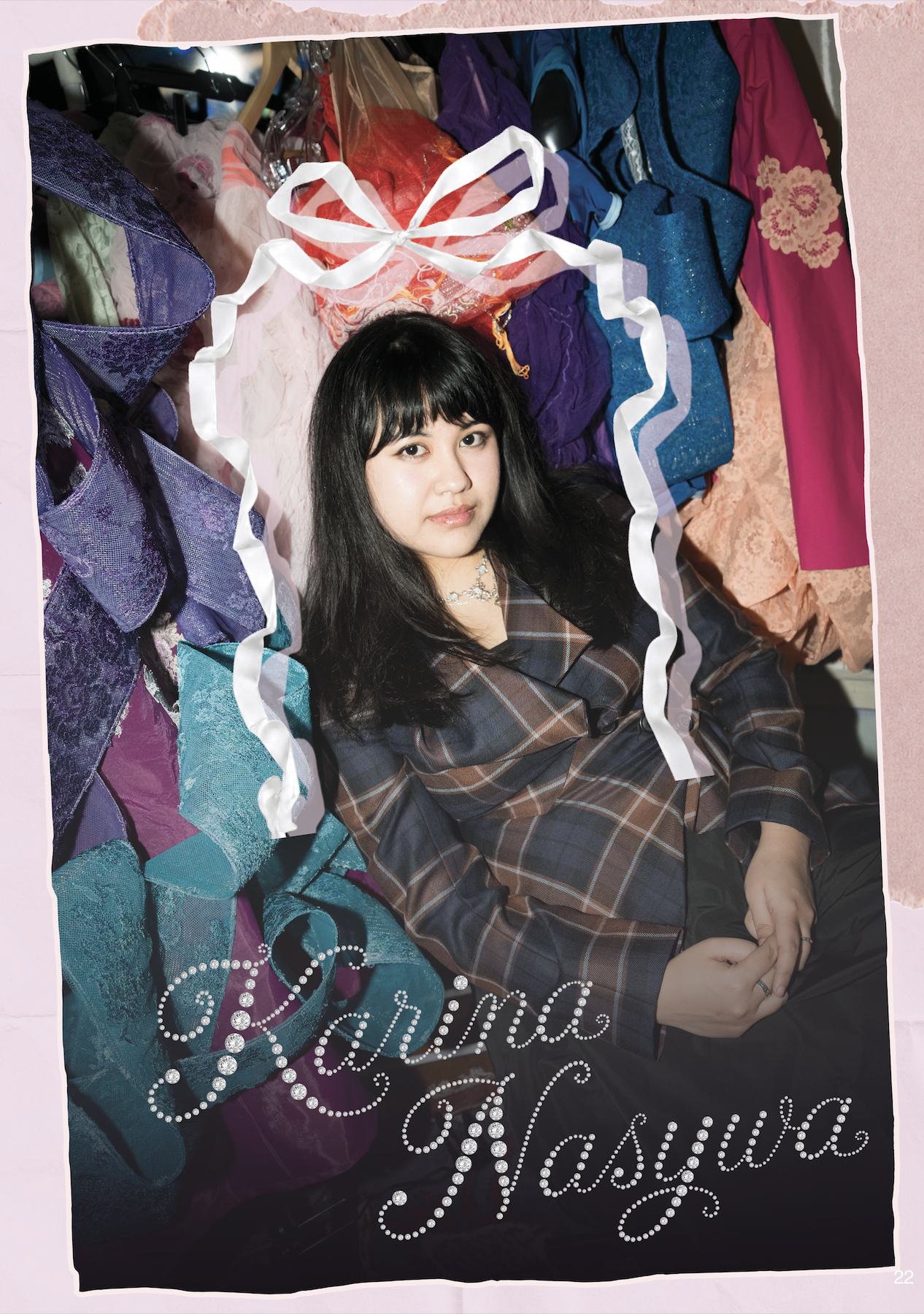
Adriana Bolaños: Can you tell us about your background? What was it like growing up in Indonesia, and how did that shape your connection to fashion?
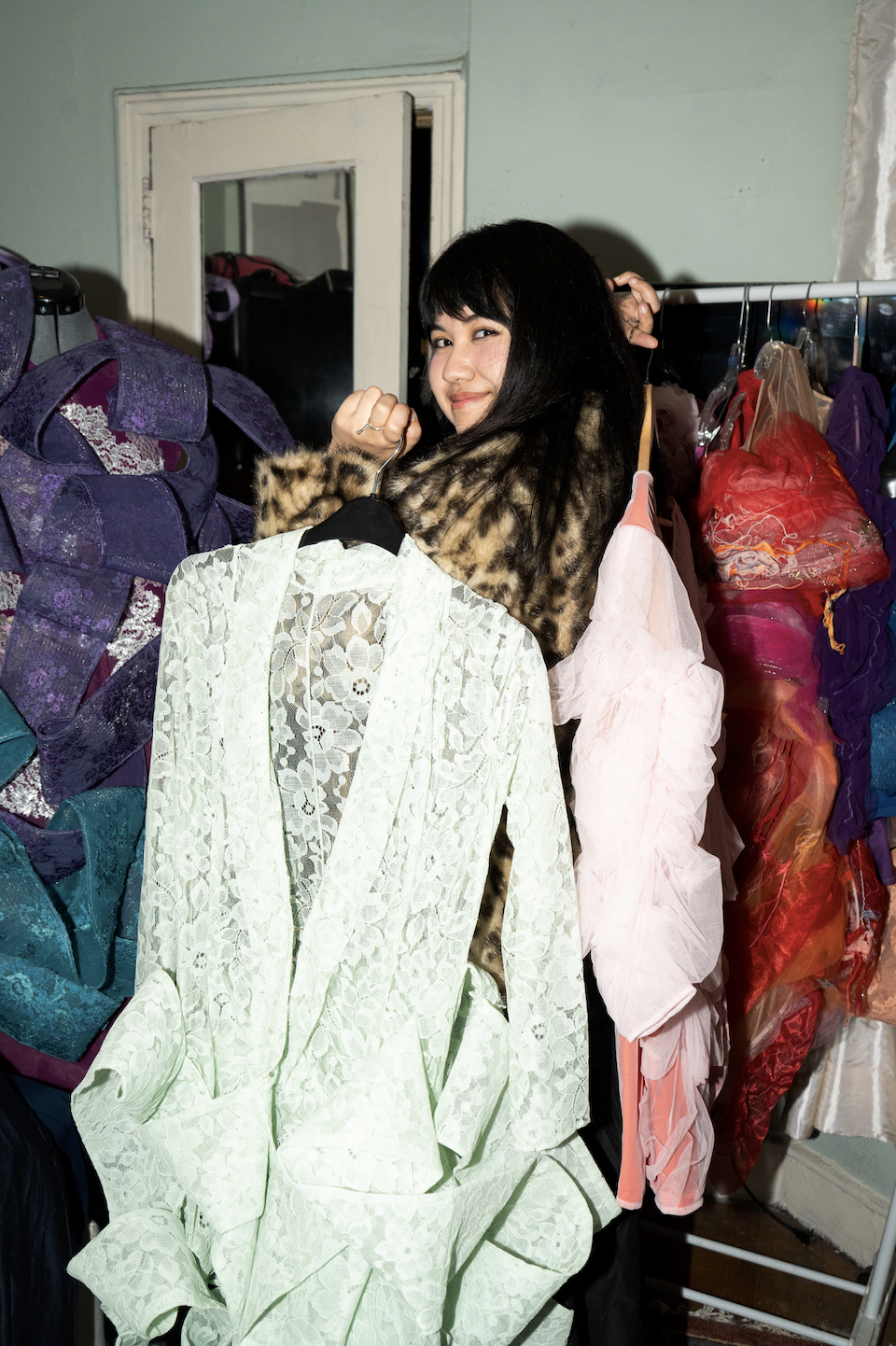
Karina Nasywa: I grew up in a big family, and Indonesia has thousands of ethnicities across the country; my family alone is made up of four different ethnicities, so there was always a mix of cultures. I used to observe how my parents and relatives dressed for weddings, celebrations, birthdays, and funerals…they were always dressed to the nines. On my dad’s side, they wore textiles with silver and gold woven into them. On my mom’s side, there were lots of colorful weavings, color-blocked ensembles made from those textiles. I was surrounded by color and texture from a young age, and I think that really shaped how I approach materials today. Even my mom wore mint green for her wedding instead of white.
AB: Oh my God, that’s so unique. Do you think you’ll do the same?
KN: Maybe! I haven’t really thought about it much, but I do feel very connected to black, which I think developed in high school and college. That hasn’t really changed; it’s just the color that I feel the most comfortable wearing.
AB: That contrast to your work is really interesting. I know childhood memories play a big role in your designs. Are there specific moments from your youth that continue to reemerge in your collections?
KN: Yes, my dad was an architect, and I used to think his work had to be strict and precise. But when he taught me to draw, I noticed his lines were a little wiggly. I asked why, and he said, “As long as people understand it’s a line, you can make it as squiggly as you want.” That really stuck with me; it showed me that even in his field, things don’t have to be perfect at the beginning. I’ve amplified that in my work; it translates into my lace structures, stitching, and even the elastic tops I used to make. I don’t really have a name for them yet, but it’s a mix of everything.
AB: Maybe that was his signature style.
KN: I’ve actually been meaning to find some of his old sketches, but we moved around a lot in Indonesia, so I’m trying to track them down. I’d love to incorporate them into my collection somehow.
AB: That’s beautiful. When did you start making clothes?
KN: Both of my grandmothers were seamstresses in their own way. They had those old Singer sewing machines that were built into tables. I remember when I was around 11 or 12, one of them taught me how to make a small bag out of scrap fabric. It had a really long handle and was kind of flimsy, but it was my introduction to sewing.
AB: Can you tell us about your journey to Parsons and coming to New York City?
KN: In my final year of undergrad [in Indonesia], I knew I was going to grad school because I studied textiles, and you don’t really get a lot of garment construction classes. I shifted my thesis to be fashion-related and created a six-look collection. After that, I worked in Jakarta for three years as an associate designer and eventually led a sub-brand, but I lost touch with my personal work and started questioning my creative identity. That’s what really pushed me to pursue my master’s. Eventually, I built my portfolio. I initially wanted to go to London but didn’t get in, which—looking back now—I get it [laughs]. In the end, it worked out because I came to Parsons. I almost missed my interview because I had this habit of not checking emails on the weekends. So Monday morning, I finally checked and was like, shit. It said, “Hey Karina, we’d like to schedule you for an interview,” and the time slots were that same day and the following. I actually got my acceptance email while fabric shopping for work. I cried on a motorcycle [laughs], and now I’m here.
AB: Now you’re here! How did Parsons shape your work?
KN: I mostly did custom work back in Indonesia, so I came to Parsons to figure out what I wanted to do and make, whether building a brand, working for someone else; I didn’t have a clear answer at first.
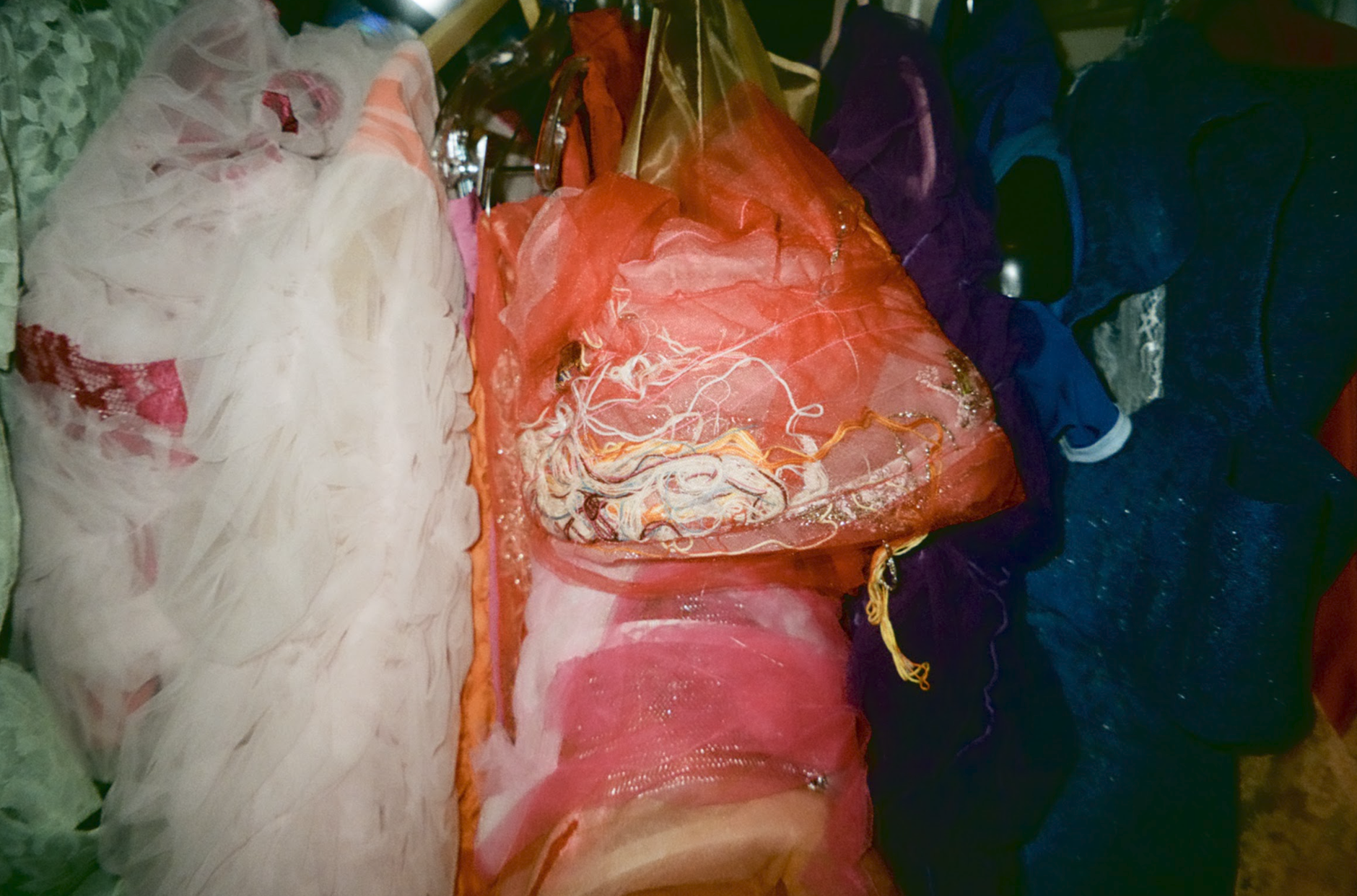
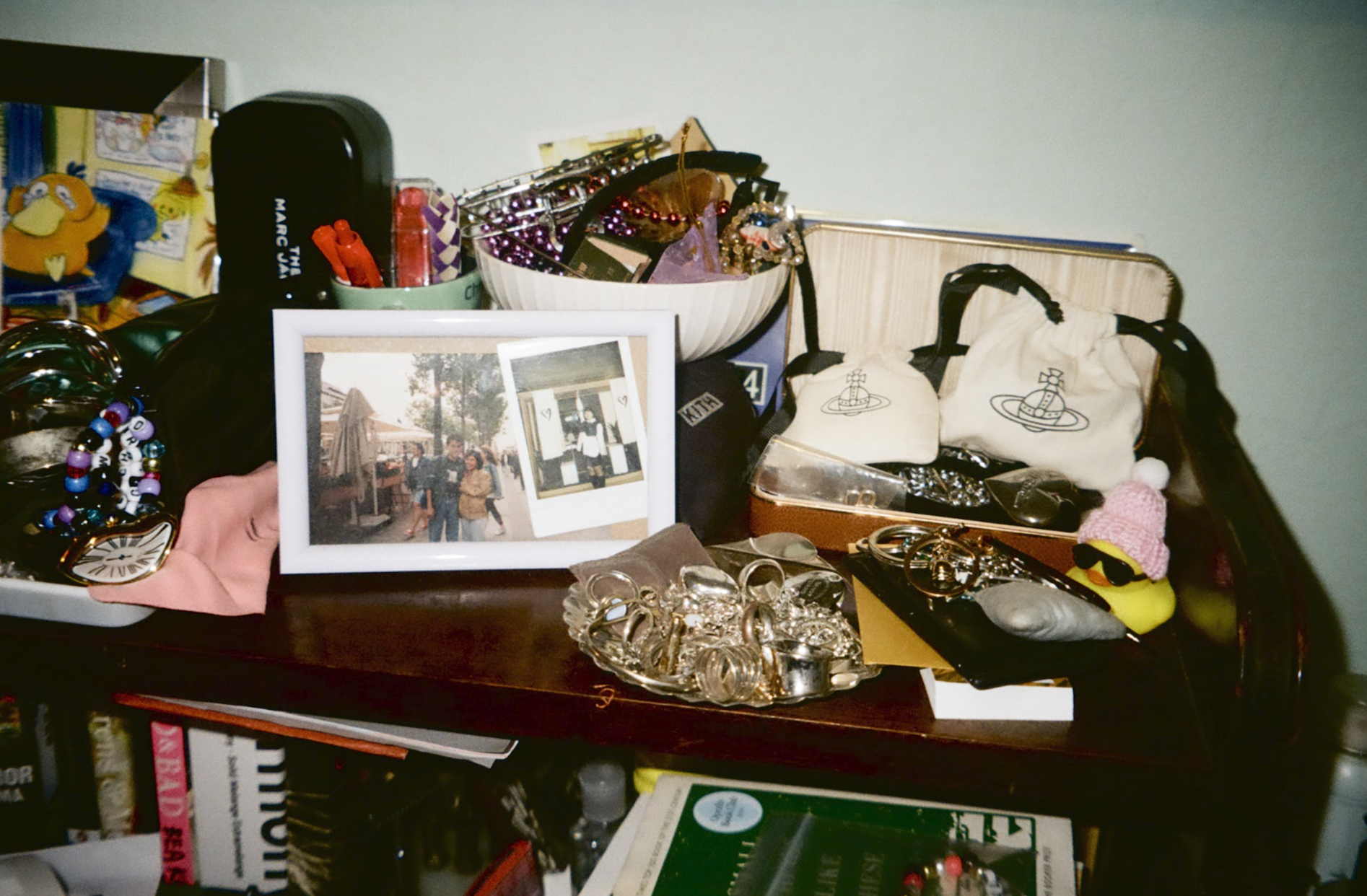
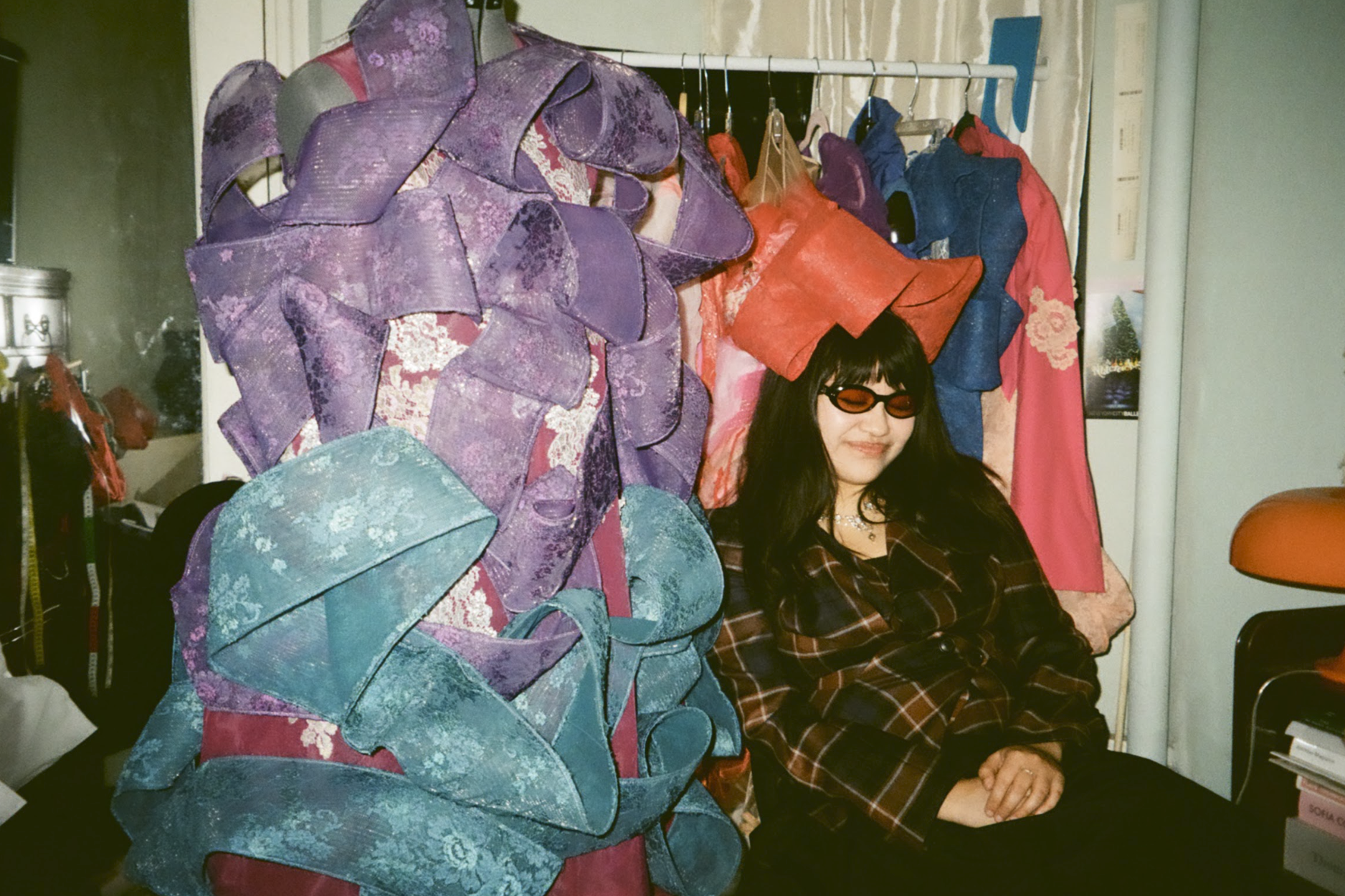
AB: How long have you been here in New York now? Do you see yourself staying?
KN: I’ve been here for three years now. I see myself staying for a bit, mainly because of what the international landscape looks like right now. A lot of people have been encouraging me to go to Europe, but it’s not that easy. So for now, I’d rather gain as much experience as I can here, and when the time feels right, maybe go somewhere else.
AB: How does your Indonesian heritage show up in your designs?
KN: I try to reinterpret the symbols and customs I grew up with through my own perspective. There’s a lot of experimenting, and with Indonesian textiles and symbolism, there are also certain things you have to be mindful of. Some patterns are meant for women with families or children, others for single women; there are specific cultural meanings attached. With my background in historical textiles, I think it makes me more aware of what I’m designing.
AB: I also saw that you work with deadstock and discarded materials. What draws you to that?
KN: It goes back to how I started. The small bags I made with my grandma were actually from discarded textiles she got from her tailor, just little scraps and cuttings. So in a way, working with these materials now feels like a kind of homage. This is actually the first time I’ve said this aloud, because people usually only ask about the sustainability aspect, but I’m honoring how I first learned to sew. That said, sustainability also plays a role. I started working with these materials during the pandemic in 2020. When access to fabrics was limited, I’d call friends in Jakarta who worked in production and ask if they had anything, even if it had been sitting for years. It turned into a process of experimenting with dyeing, slashing, and layering. Sustainability plays a role, but it’s also very personal. With how much waste and excess there is in the world right now, this is my small way of responding to that.
AB: Color’s such a powerful force in your collections. How do you decide when a color feels right, and what emotions are you hoping to evoke?
KN: My professor asked me the same thing! I just put them together and hope for the best.
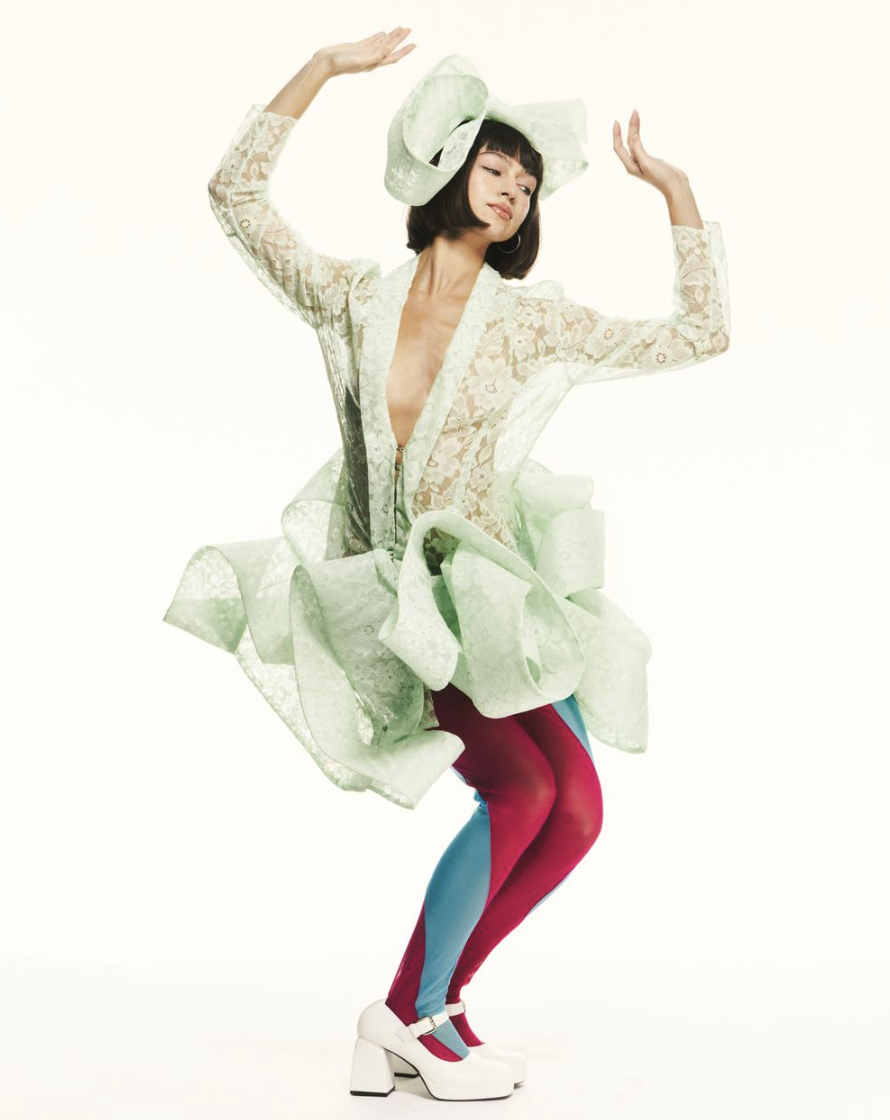
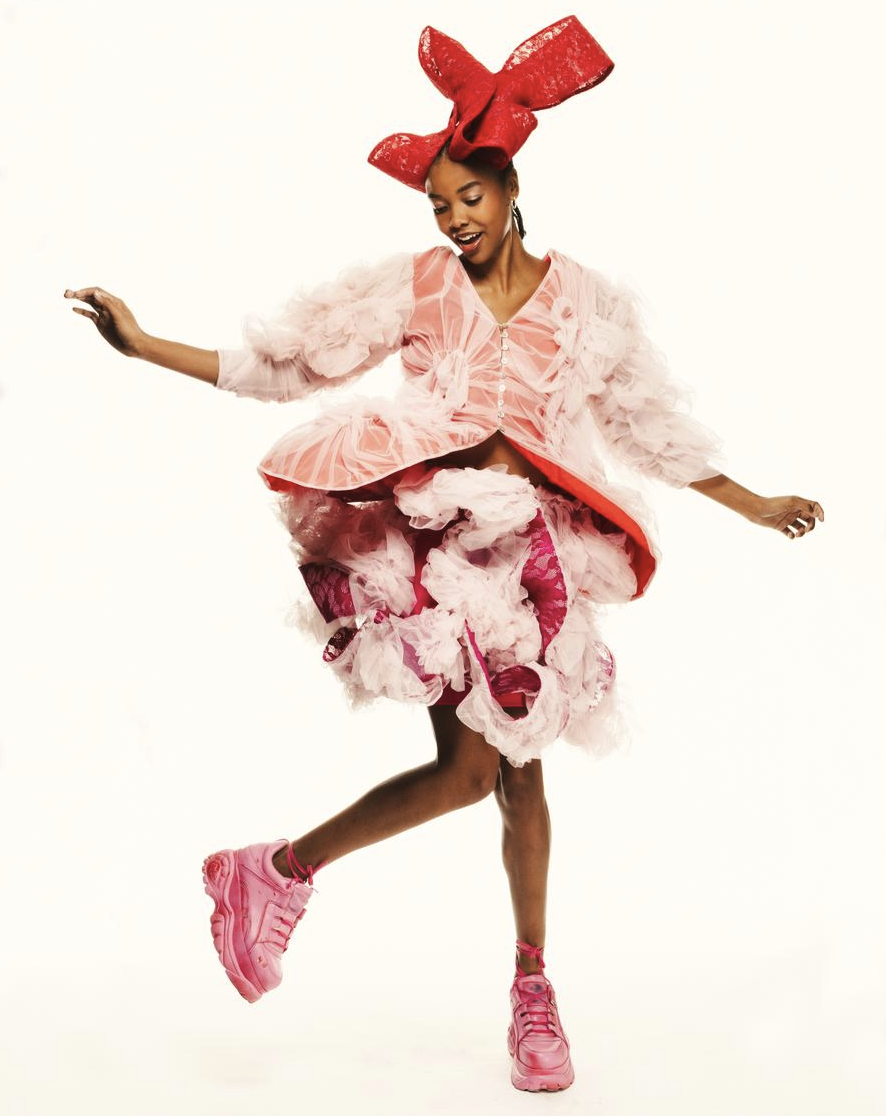
AB: In your collections, what kind of emotions are you trying to express through color?
KN: For one collection, I was thinking about these secret dreams my dad and I had. When I was a kid, I wanted to be an Indonesian pop star in the 2000s, and my dad wanted to be a professional mountaineer. At first, they feel like complete opposites, but I realized they could connect through color. I looked into ’80s outdoor wear and old Patagonia campaigns, North Face catalogs…everything was so bright and colorful back then. Then I looked at Indonesian pop star costumes, and they also had that same boldness; that’s when it clicked.
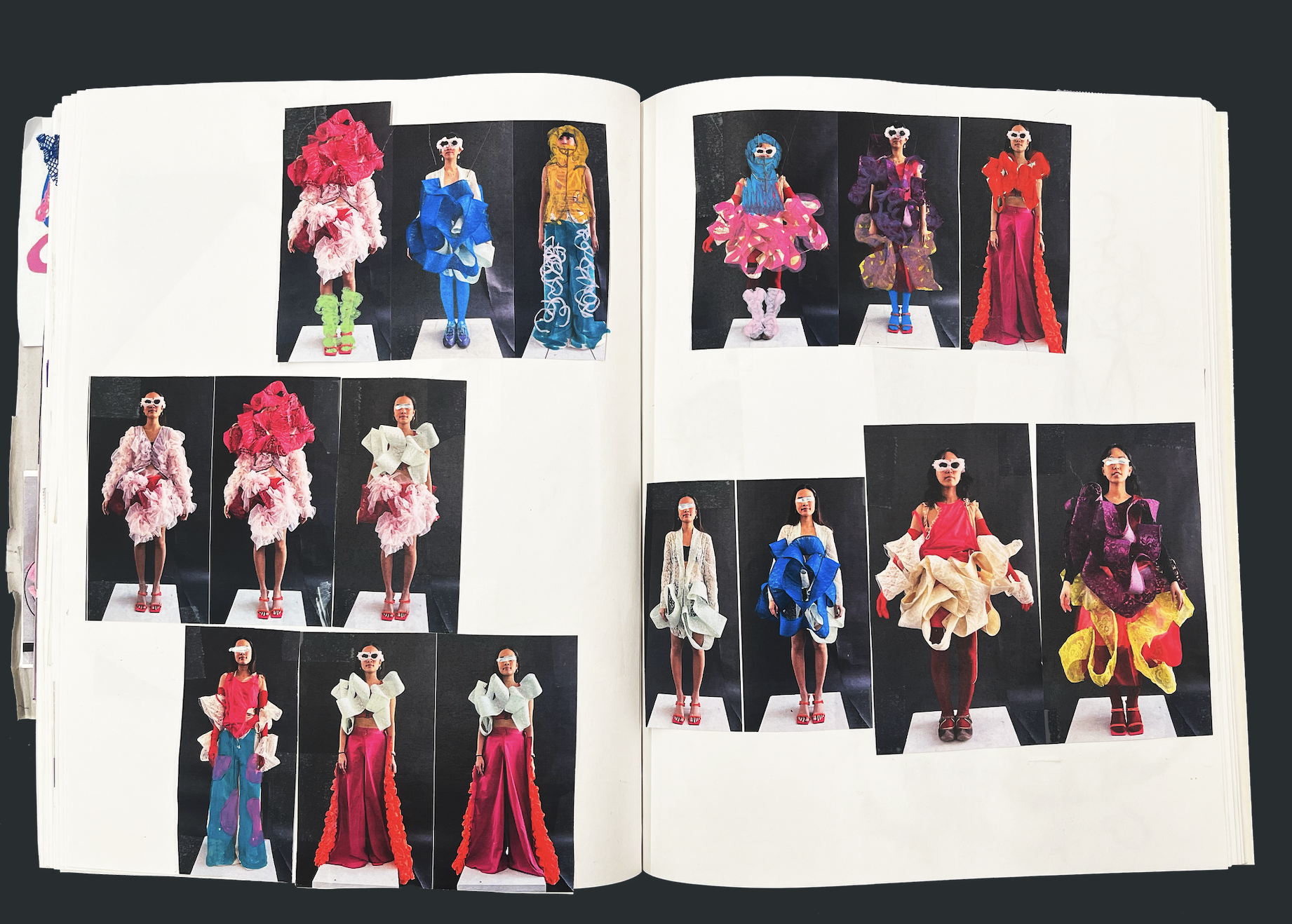
AB: Your work is very recognizable. What media inspires you?
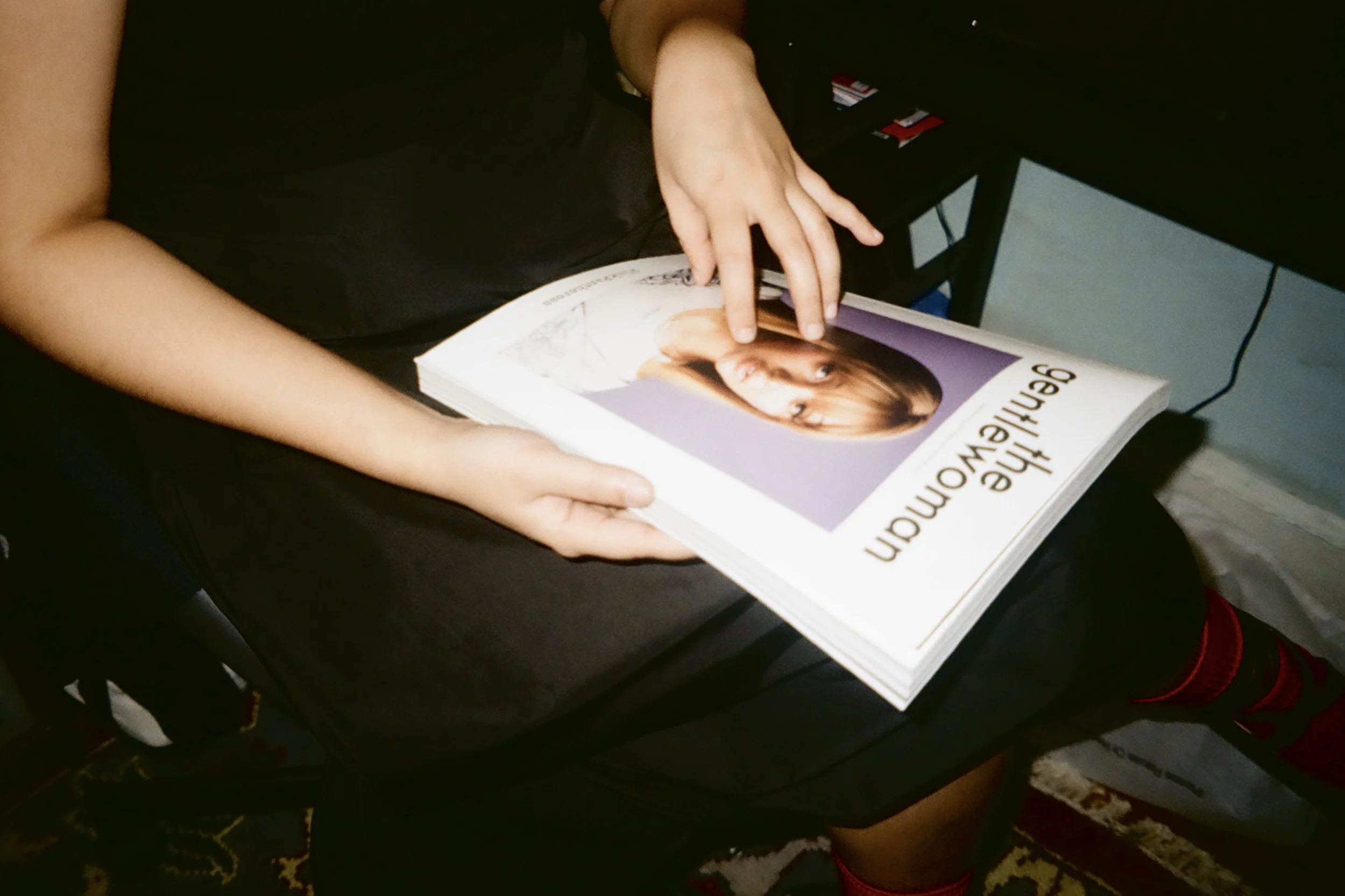
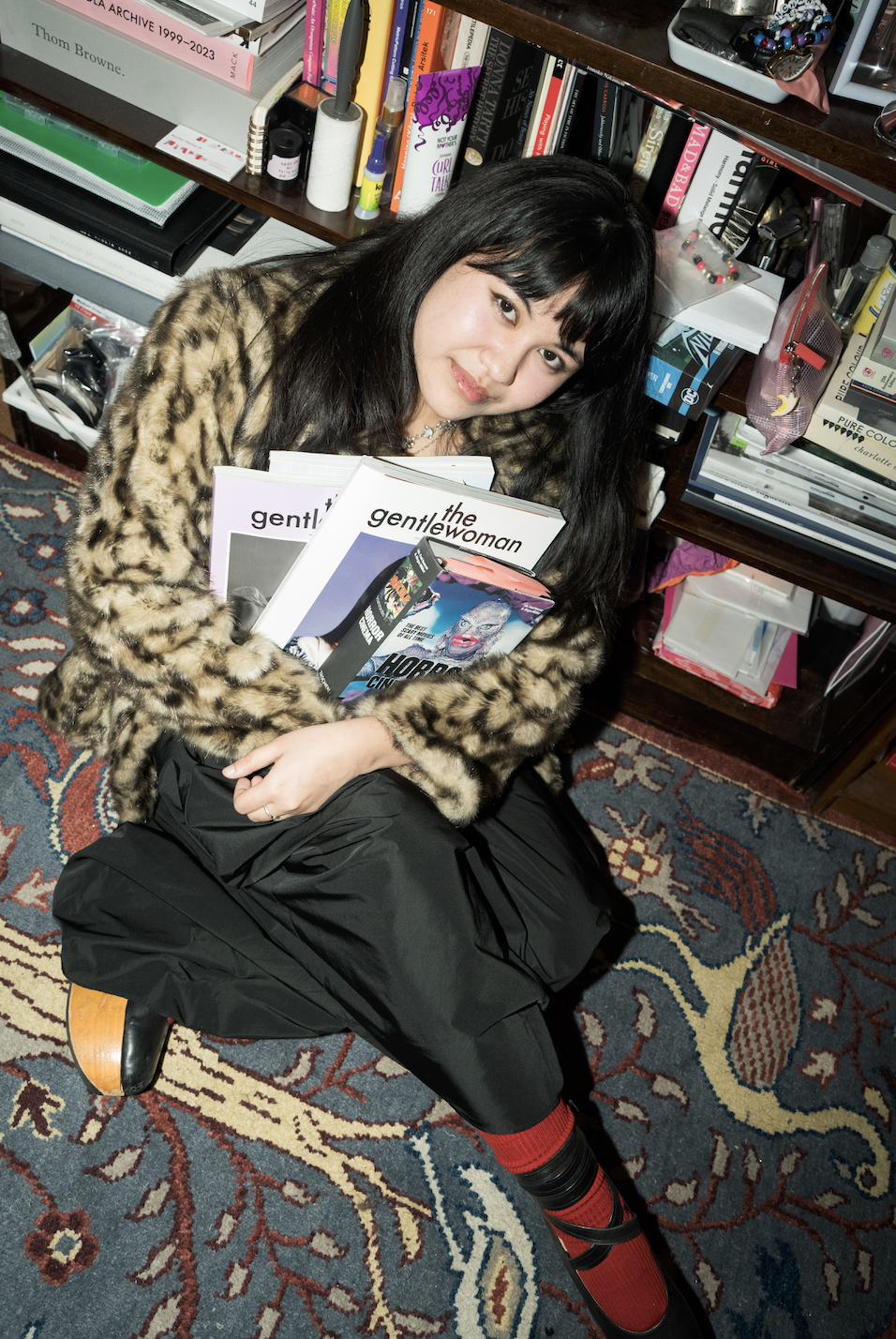
KN: I took an experimental filmmaking course at Parsons, where we made short films every two weeks, which added another layer to my creative process. There’s this filmmaker from the 60s, Stan Brakhage, and I looked at his work a lot. I also really love The Gentlewoman. Back in Jakarta, it was hard to find international independent publications, and when you did, they were really expensive. So whenever someone traveled, I’d ask them to bring magazines for me. I actually went to one of The Gentlewoman’s events, and they gave me a bunch of issues. I told someone on their team that I’ve been reading it since 2019, but only through secondhand copies. It wasn’t until I moved to New York that I could finally get my own. I really respect the magazine, it’s just so chic.
AB: I love that they bring together artists from different industries; it’s so interesting to hear various perspectives, yet somehow they all complement each other.
KN: I love it too. I met so many different people there…editors, writers, photographers, recent fashion grads, even former Parsons professors. It felt like the kind of creative community I want to be part of. A lot of my work follows that idea of creating a sense of ‘controlled chaos’. My favorite book, and actually the first English book my uncle gave me, was Alice in Wonderland, which introduced me to that idea. It’s something that feels fantastical yet grounded. I’m naturally drawn to work that feels layered, like collage or mixed media.
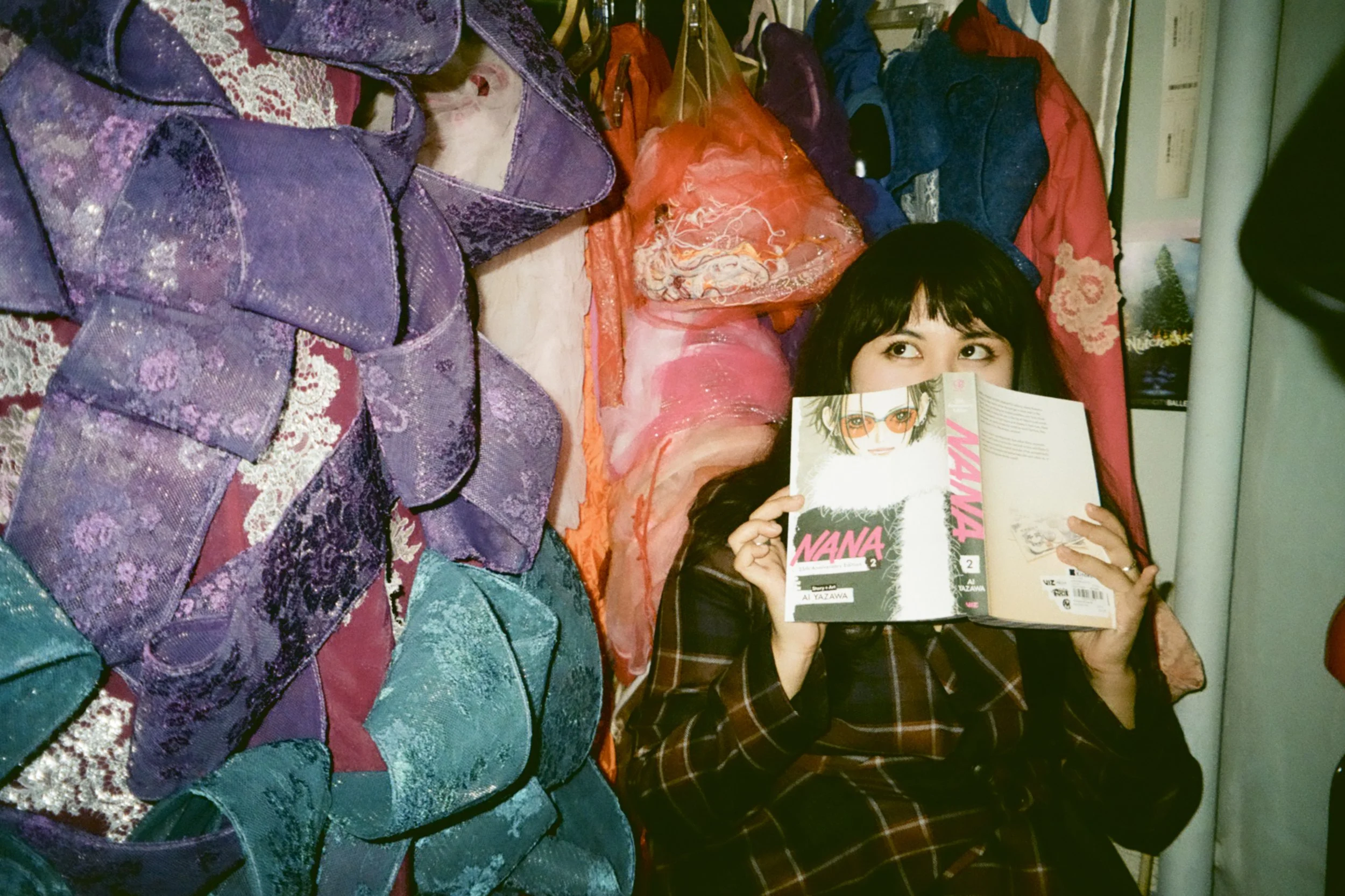
AB: Do you think you could incorporate that kind of medium into your work? Like in a lookbook or exhibition?
KN: If I had, like, ten more hands, yes, I would love to explore that someday!
AB: Who are some designers you love?
KN: Rei Kawakubo, I think she’s a genius. I also love Noir Kei Ninomiya; it feels a bit more personal to me than Comme des Garçons, especially in terms of materiality. I mean, CDG also explores materials a lot, but Noir has this way of pushing restraint; it’s structured, but delicate, with bows and subtle details.
AB: Do they inspire your collections as well?
KN: Definitely. I remember when I first spoke to my professor, she asked me the same question. And she told me, “I know you like Rei, but your work actually feels closer to Noir.” That’s the highest compliment you could give me [laughs]. I get it now. There’s this sense of femininity in Noir’s work that I connect with, and I see that in Simone Rocha, too.
AB: How would you describe your ideal client?
KN: Experimental, confident, and trusting—someone who believes in my vision.
AB: Any trends you’re loving right now or otherwise?
KN: I’ve never been into UGGs. The slides, too…that’s a hard no for me. Favorite trend? I really like how people are styling legwear, like layering different socks or tights with warmers; it’s really fun.
AB: Where do you hope to see yourself and your brand in one year, or even five years?
KN: A year from now, hopefully taking on more projects. The creative director at my job said that with our generation, fashion is shifting into more progressive ways of showcasing work. It doesn’t have to be a runway anymore. Now, I think of my collections as projects. My next project could be costume design for a filmmaker, or for a dance or theater company; it’s fluid. I’d love to collaborate with other artists and performers. I like the idea that each project stands on its own instead of forcing a seasonal format.
AB: Are there any upcoming projects you’re excited about in 2026?
KN: Yes! I’ll be part of the Resistance Collective in Brooklyn, a panel and exhibition highlighting sustainable designers. I’m also going to be at Asian New York Fashion Week on February 14th. Plus, I’ll be helping my friend with costume design for his film in July!
AB: That’s amazing, thank you so much, Karina!
KN: I’m like, wow, there’s already so many things to do. Thank you!
Interested in being featured? Email us at 2latemag@gmail.com!
