Altered Realities: Social Media, Public Perception, and Self-Fashioning
Text by Ruben Arturo Pimentel
As I stood in line at a bar in the heart of Madrid, I received a FaceTime call from my sister. I had a suspicion of what she was going to call about, but it wasn’t until I answered and saw a small emerald engagement ring and a gigantic smile across her face that I knew she had finally gotten engaged. It almost felt dreamlike; it was something we’d spoken about for so long that when it actually happened, it felt like it could all disappear if I woke up. After we spoke, in the heat and darkness of that Madrid summer night, all I could think about was the cyclone of a year that was to unfold.
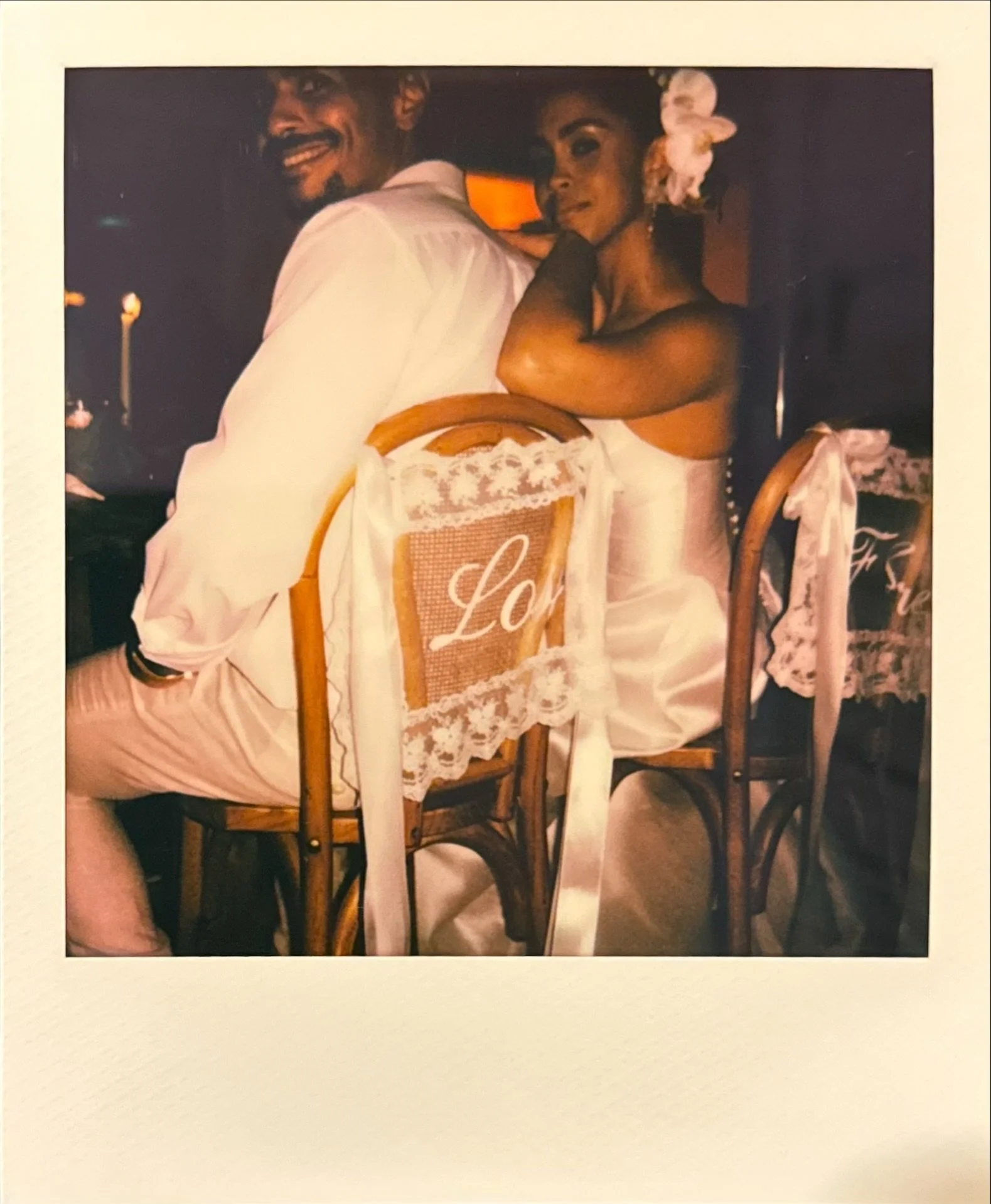
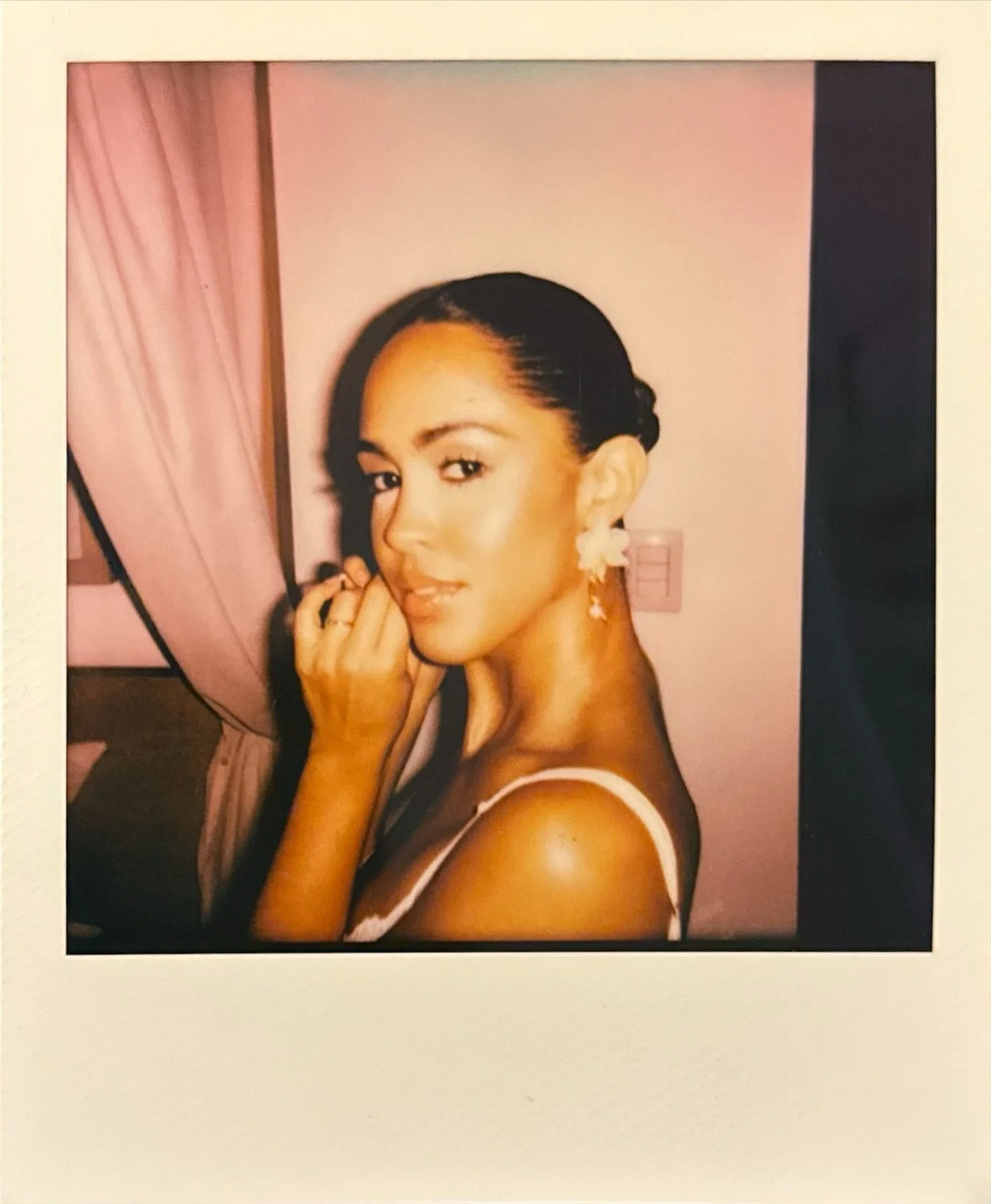
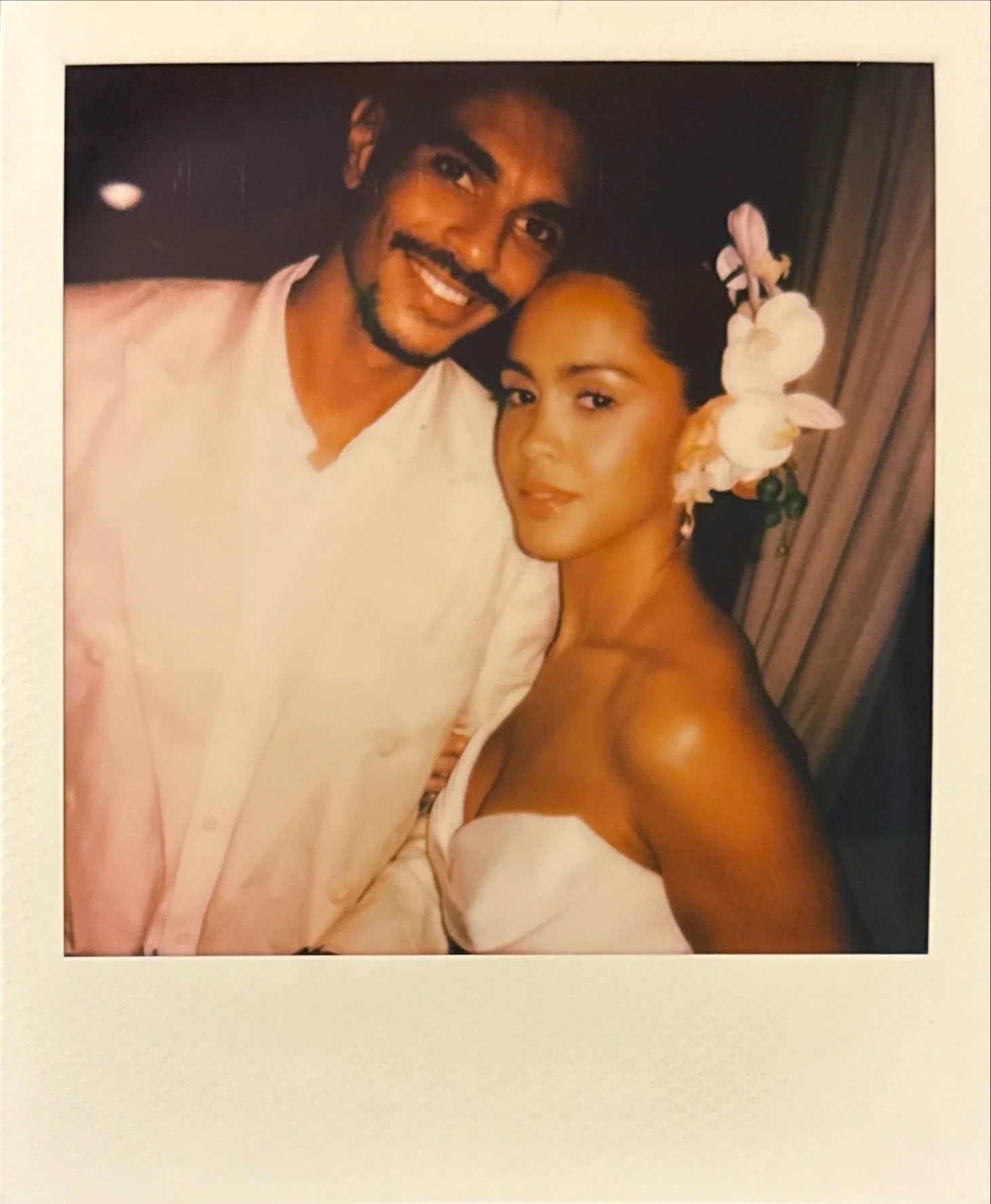
(Since the live date of this article, Ruben’s sister got married!)
For over a year, all my sister and I have spoken about are wedding dresses, flowers, table settings, and cocktail menus. But what sometimes bothered me about the choices my sister landed on was not the aesthetic quality of them—which I rarely found disagreeable—but the source of all her ideas. It seemed as though each one came from a social media post or video; she only seemed to land on a decision if she had seen how it looked in another person’s wedding video.
While I hold no individual criticism for my sister, I’ve come to see her decision-making around her wedding as almost a microcosm of how many of us have cultivated our personal style, and how we showcase ourselves to the public. It seems that no matter what space I’m in, whether it be at work, with friends, or simply walking along the streets of the city, everyone has become highly dependent on what social media dictates is “cool.” The clothes we wear, the food we eat, the vacations we take, the friends we go out with, and the life events we share with the world are all curated into digestible and aesthetically pleasing content.
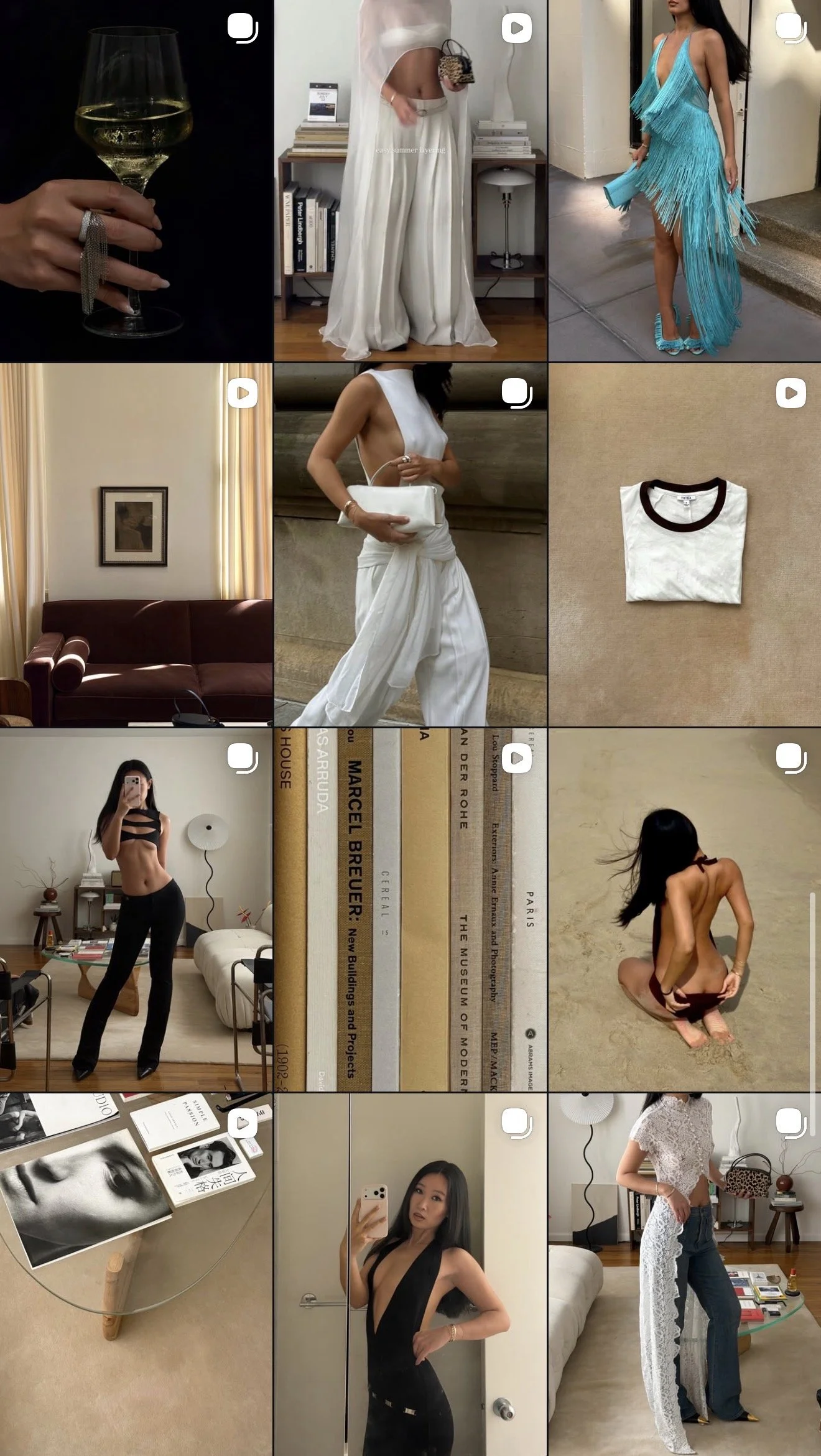
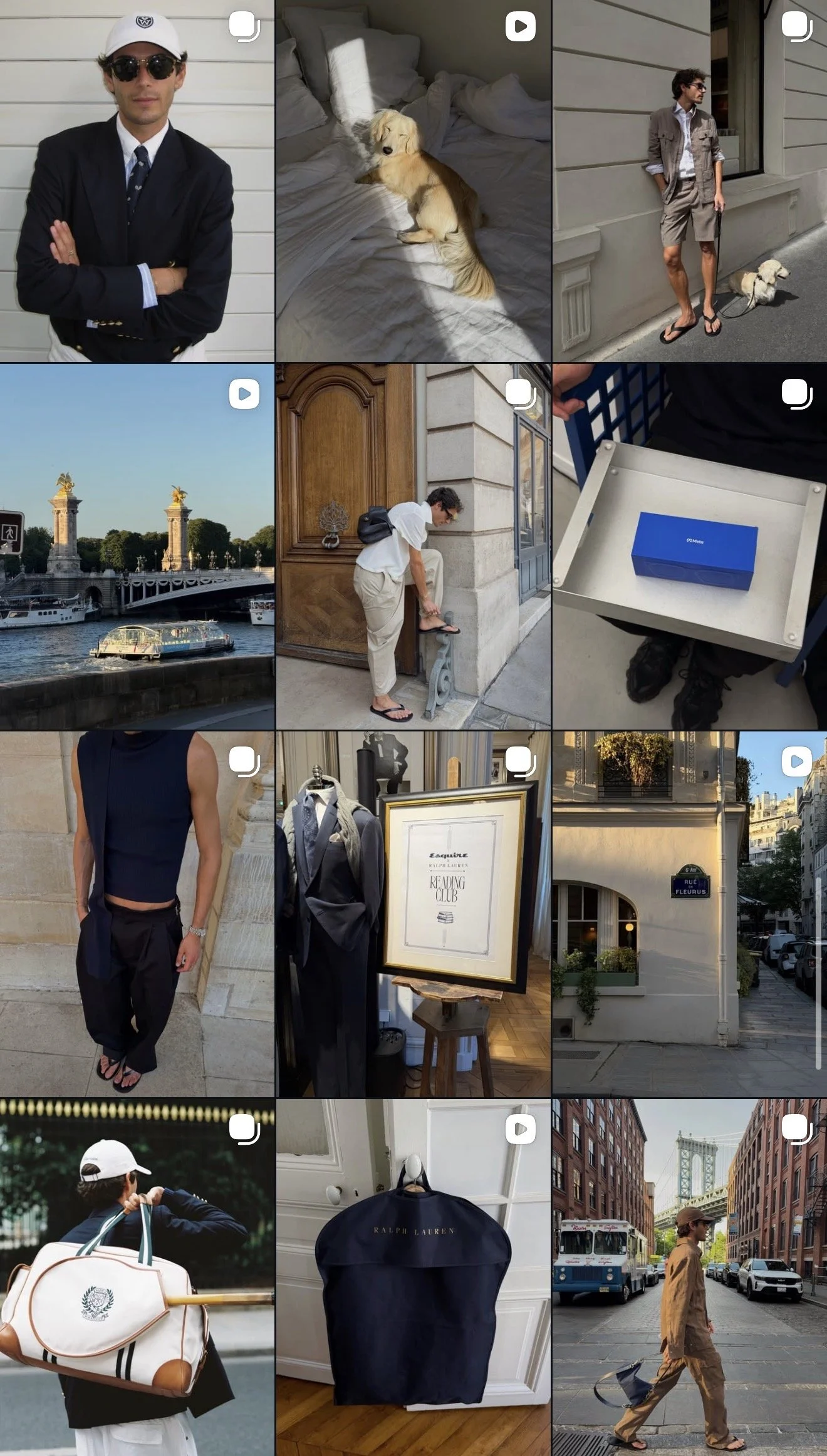
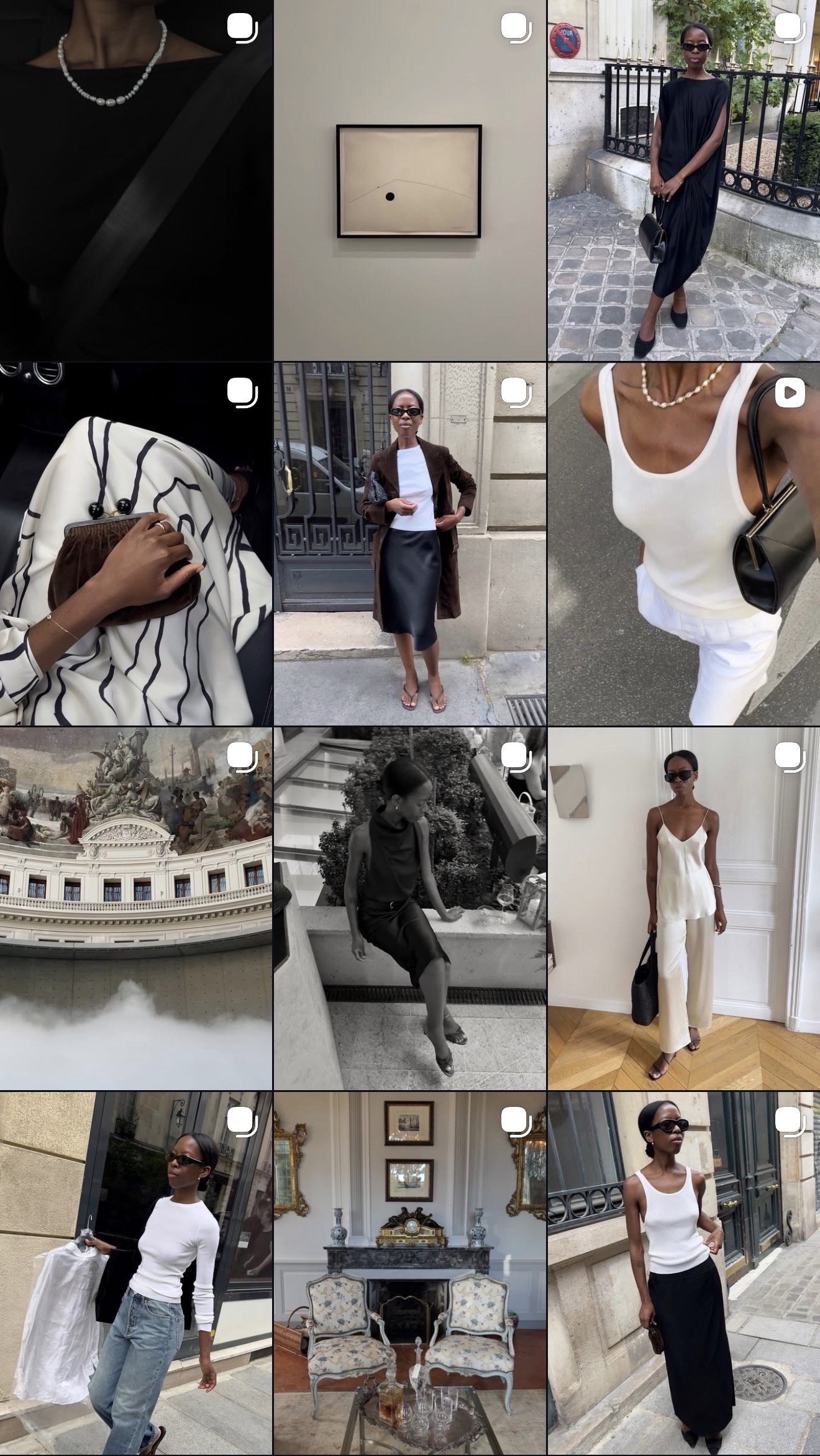
The relationship we hold with social media has become so entangled within us that it’s hard to pinpoint where our personal taste ends and the invisible lingering hands of collective thinking begins. Society has always been prone to reducing itself into a few widely accepted social rules, rejecting all things that don’t align with said ‘rules’ over the fear of being isolated or left out. What social media has done is make you believe that no matter where you are, you are being watched. This fear of being singled out or embarrassed on a massive scale has driven many of us to extremes, whether it’s obsessively sharing every aspect of our lives or opting out entirely and self-isolating. But while these two outcomes might seem to oppose each other, they are both a fear response to how others might perceive you.
While I have gained the ability to acknowledge just how much social media has shaped the way I feel about myself, it has also left me stranded. Every new trend cycle or new hot shoe seems to crash into me and affect me in ways I swore it never would. While I can look objectively at myself and appreciate the facets of my features that I find attractive, my mind eventually lingers to the parts of myself that I wish were different. I look at men on Instagram who are thinner, taller, stronger, and richer than me, and become submerged into some strange form of melancholy and envy. My voyeuristic desire to constantly look at people who seem to have everything that I’ve ever wanted has not brought me closer to a clearer understanding of who I am, but only shrouded my own self-perception in the fantasies others have constructed for me.
When I go into my closet to find what to wear, what runs in my head isn’t what would make me feel my best, but rather what other people would find cool. Every TikTok video I scroll past seems to always be advertising the “cool girl bag” or the “cool boy loafer.” These videos unconsciously sell us a fantasy that material goods are what bring us true happiness and belonging; that if we could amass the perfect wardrobe, then everything else will fall into place. But in a capitalist society, this simply cannot be true; the “perfect” closet does not exist because the trend cycle will always move too quickly for you to ever truly feel comfortable in what you’ve become. The relationship that we have with fashion and our image is no longer introspective, but one in which we dress for the approval of those we have connected with online. We consume altered realities, and while we can acknowledge that we are only seeing a sliver of that person’s life, we still desire their life and try to live it in the real world.
This ever-evolving trend cycle has not only caused consumers to not know where to look for real guidance on what to wear, but it has also left traditional fashion media and retailers having to constantly play catch-up. Before the cultivation of fast fashion with brands like Zara and H&M—with the most malicious form of it being ‘instant’ fashion with the likes of Shein—mainstream fashion media would work in tandem with brands and retailers to create and advertise collections. Magazines like Vogue and Harper’s Bazaar could advertise what was the best and brightest because they had direct relationships with the people who were creating them. But now that Instagram and TikTok have become a brand’s best tool for selling their products, fashion media has been left out of the loop. While a magazine like Vogue can maintain a firm grasp on higher-end fashion, its relevance to the ordinary consumer is liminal at best.
Before the creation of fast fashion, retailers were expected to release new designs into their stores per season. The average consumer knew exactly when it was time to buy new pieces and was only buying a handful of well-crafted items a year to add to their wardrobe. But now it seems that if you're not purchasing a new outfit for every event and social outing, you can feel this invisible blanket of shame overcome you. Retailers have caught onto this lingering anxiety amongst young people, especially, and even more specifically, women. Fast fashion retailers are pumping out thousands of new, cheaply priced, and even more cheaply produced garments because they know most of them will only be worn once before being thrown away or donated.
The compounding effect of our constant desire to consume new items and content, social media’s desire to churn out profit, and fast fashion’s desire to make more and more money every quarter has ultimately left culture with no clue as to what it wants to dress like. It has left many people with clothes they do not really want, money they wish they still had, and still no clue of who they actually want to be. This has bred an overreliance on the figures they follow online to tell them what the newest trend is. Consumers have been sucked into a fantasy that if they just keep buying new things—and that one item might just stick—they will finally find the product or aesthetic that truly makes them feel happy with themselves.
So, what is the solution? How can we detach ourselves from what seems to be the center of our gravity? If we, as a society, seem to filter and digest everything we consume and know through social media, could we ever live in a world where that is no longer the case? We must commit to evolving our relationship with social media and how it affects our self-perception, and in turn, how we showcase ourselves to the world. It begins with having a true understanding of just how easily manipulated the truth can become, and in turn choosing to be more honest with those we interact with online.
In times where self-doubt has made me question the love and confidence I have for myself, I force myself to focus on the reality in which I live, not the fantasy I wish to reside in. I have friends who love and care for me, and a family that values who I am and what I have to say. I turn to art and the feelings of joy and love that it invokes in me, movies and music made by humans, and not social media algorithms or chatbot generators. I look to nature to generate the feelings of joy and wonder that no social media post could ever replicate for me. The only solution we have when faced with how to solve our ever-growing dependence on social media has always been there. When we put our phones down and look around at just how much beauty exists all around us, the images we see on our screens all just seem to fade away.
