THE PARADOX
Text by Maya Davila
We’ve quietly assembled a dystopian future.
In the name of efficiency and innovation, we’ve built systems capable of watching, predicting, and shaping our behavior at an immense scale. The paradox is this: the very technologies that once promised a brighter future are redefining what it means to be human.
Artificial intelligence is not new. It’s been embedded into our daily lives for years now, whether it’s spell check on Google Docs, resume screenings, or even ads that recommend new products to us based on our search history. But something shifted when generative AI entered the chat (literally). It wasn’t just automation taking place but creation…well, at least something that sort of looked like it.
During my senior year at the Fashion Institute of Technology, I was the Editor-in-Chief of my school’s magazine. For my last issue, I felt compelled to mention AI, as more and more students (including myself at the time) were beginning to integrate this into our schoolwork. I drew inspiration from an interview that Marc Jacobs did with ChatGPT for i-D Magazine back in 2023, when the model was still in its fetal stages. I thought, hey, what would it look like if students recreated that experience? This was at a time when everyone was starting to talk about and use ChatGPT, and FIT began integrating guidelines for the use of AI in coursework.
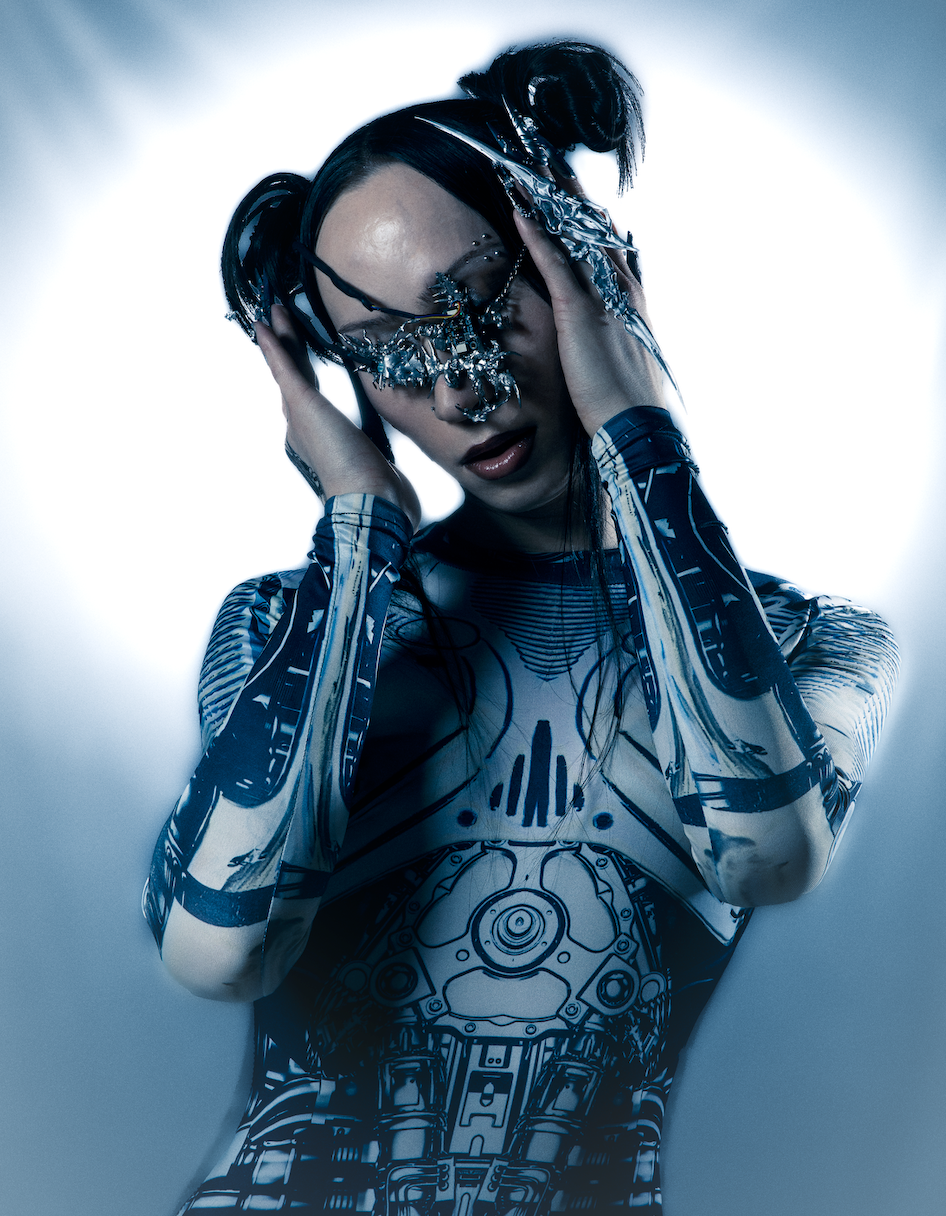
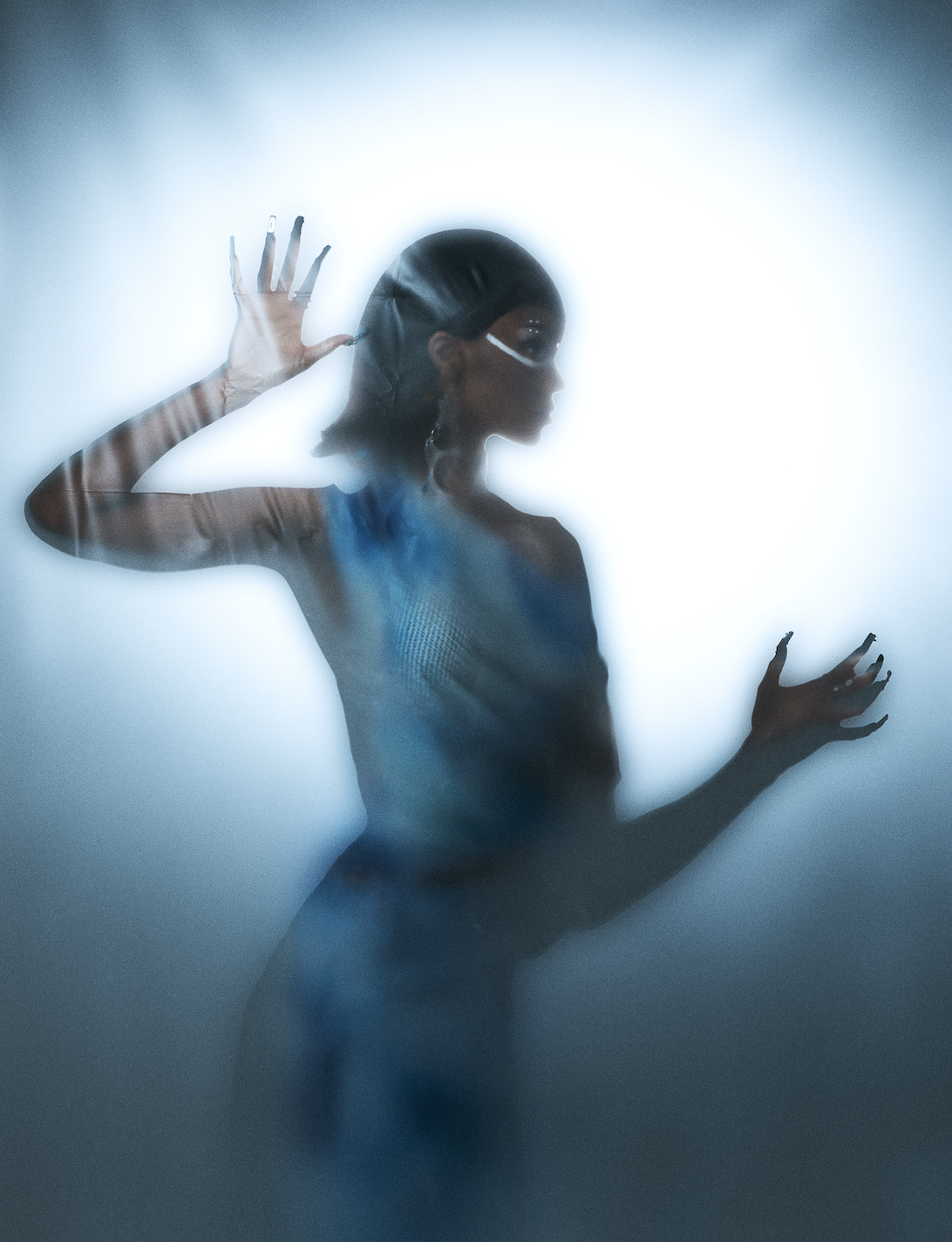
In retrospect, it was easily one of the worst decisions I’ve made as a young creator. Myself and the 2 other editors who were attempting to generate prompts, were at a complete loss about how useless this ‘tool’ was for us. While this was not revealed at the time, we ended up rewriting the questions the AI model was supposed to ask me, as well as the styling direction. What began as curiosity quickly revealed something more unsettling: the illusion of authorship. The machine only appeared to create these questions, yet the concept for visuals and writing remained distinctly human. So yes, the article about ChatGPT was created by humans. How ironic that the 3 of us did the work and the machine got the credit, huh? Did i-D’s team face this same issue?
Around the same time, I was interning for a creative media agency. Working there was one of the most exhilarating and challenging moments of my career. It was an environment defined by urgency, with fast turnarounds and constant measurable results. It was also where I first experienced how and why AI was being pushed in the workforce. What I witnessed regarding AI was that creativity was now shifting away from the beauty of the process, collaboration, and skill. It was now about output: how quickly something can be produced, and how little it would cost to do so. It’s every corporation’s wet dream.
Suddenly, things started to feel off. This conversation isn’t really about technology, is it? It’s about creativity, about labor. It’s about what happens when the things that once defined an artist—thinking, making, imagining, making mistakes, etc.—are now outsourced to something else. Generative AI promises efficiency at an unprecedented rate. No need to invest in people when AI can generate something that’s ‘good enough.’ With humanity on a collective cognitive decline, this is the logical trajectory of the capitalist system we live in, where speed and profit take precedence over everything else. Forget putting together a team to bring on set and experiencing the emotions that go into bringing a project to fruition, let’s just throw together some prompts and generate a photoshoot. In flattening the process, the inner creative spirit gets lost.
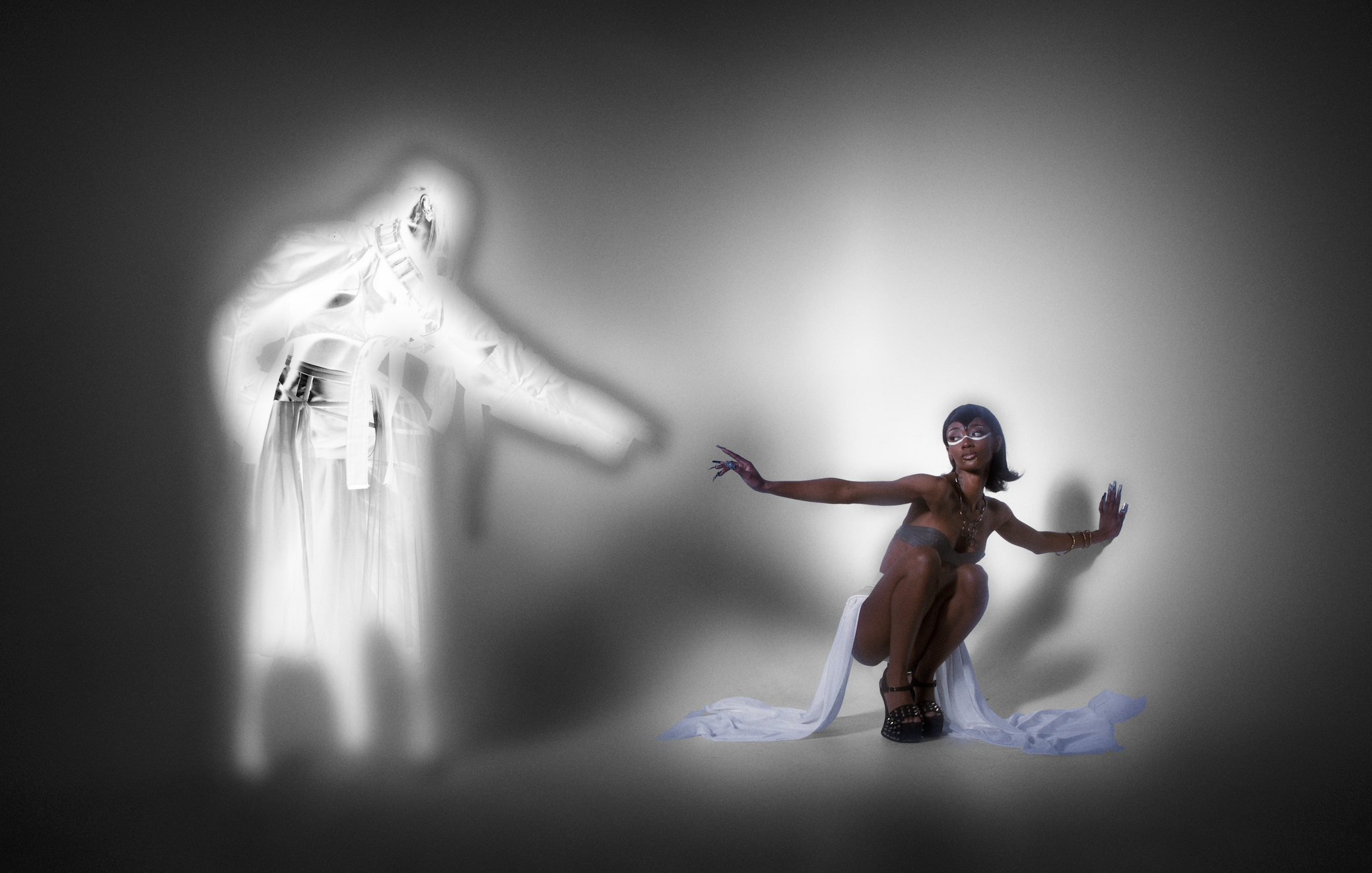
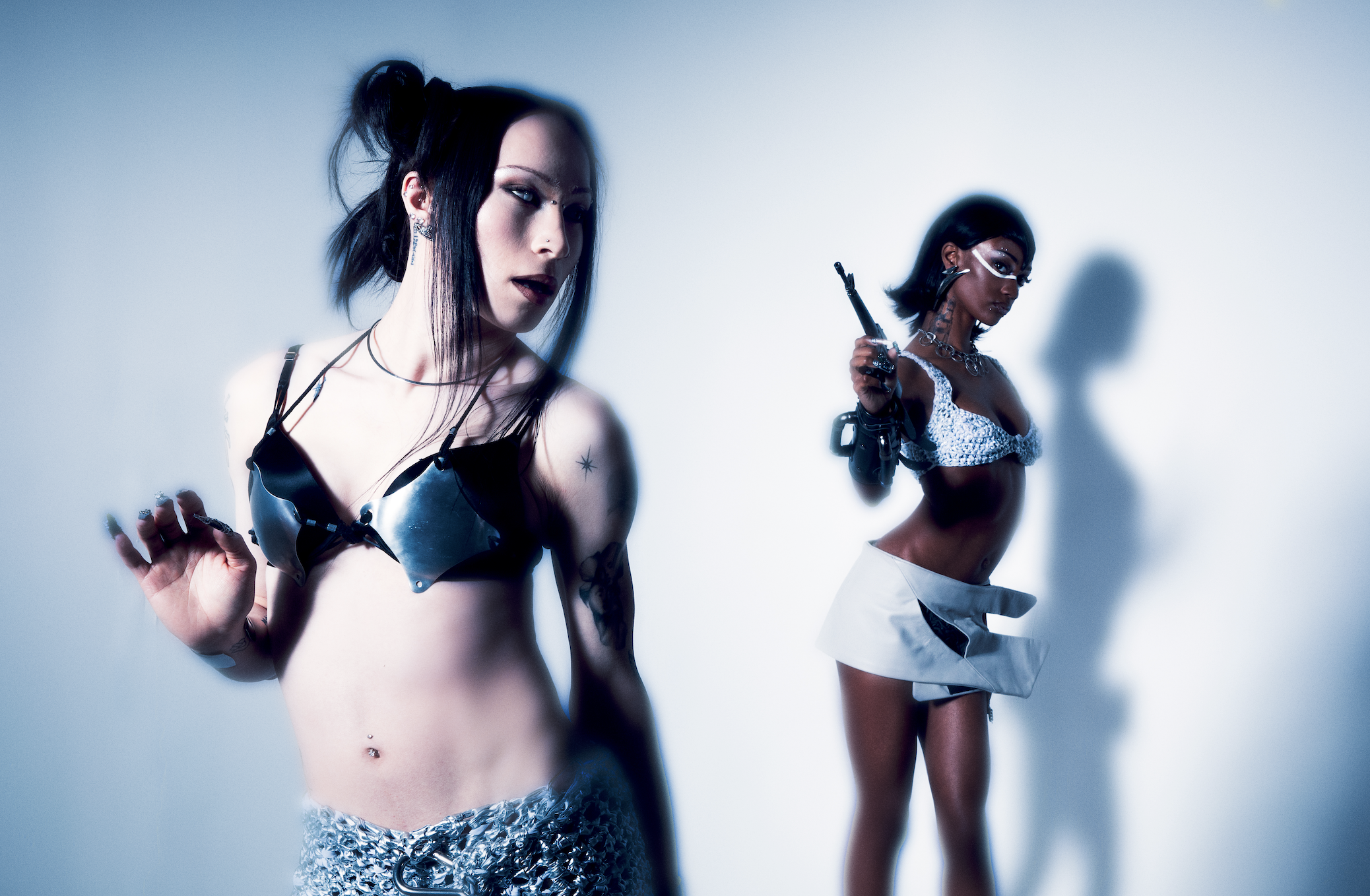
As an artist, I understand the frustration of limitation; not having the time, the finances, or the technical ability to bring an idea to life is, frankly, annoying. Yet part of the creative process is figuring out how to make things work when all odds are against you. It’s not necessarily about the final product; I find that the journey can feel more rewarding. The beauty of trial and error leads to moments where we face challenges head-on, where we can grow from experience. That friction is the point; having grit and determination is the foundation of being an artist. Remove that, then what are we left with?
Creativity is the core of being human. It’s an integral part of our evolution and the human experience. Should we continue to rely on AI for what would otherwise be hours of struggle, passion, and effort, this part of us would surely atrophy. Art is based on emotions and how we experience the world around us, things that only living creatures can truly face.
When we rely on machines to think for us, create for us, and to problem-solve on our behalf, we’re essentially outsourcing ourselves, rather than trying to take the time to figure it out on our own. Whatever happened to critical thinking? In the words of Lexi Featherson from Sex and the City, whatever happened to fun? Why are we growing more and more accustomed to skipping straight to results?
This system preys on the desire to achieve convenience. It attempts to anticipate our needs, answer our questions without refusal, and generate what we ask for almost instantly. It’s become nearly inescapable. It’s on subway ads (remember how many people defaced the ‘Friend’ ads? The necklace that claimed that it could harbor a relationship that would feel just as real as a human one?), in our Google searches, in our everyday routines, in our corporate jobs, and while we scroll on our feeds. Can’t draw a photo of yourself? Put an image into ChatGPT, and it’ll create one for you. Curious to see how you would look next to your celebrity crush? Feed the machine more photos of yourself so it can spit out an eerie likeness that feeds your curious nature. Need a recipe that would otherwise be easily attainable by a simple search on a food blog? Let Chat endlessly cater to every single one of your needs.
I can still recall one of the first generative AI videos I ever saw on my social media feeds: the notorious video of Will Smith eating spaghetti, which at the time looked like something that crawled out of a Creepypasta Reddit thread. Now? You can generate that same video, and not be able to tell what’s real and what’s been generated. The ability to generate someone’s likeness without their consent is a giant red flag; it poses an unprecedented threat that’s repeatedly targeted at marginalized groups. Since AI picks up on human behavior and analyzes algorithms, we know that it did not invent the grievances it amplifies. It did not invent misogyny, racism, or sexual exploitation; it scales it. Marginalized bodies remain the testing ground for new forms of exploitation. The system invades our privacy and our very bodily autonomy in a digitized world.
Women and children have been targeted through the creation of explicit, non-consensual AI-generated content. Not to mention that regulation has been minimal, despite Melania Trump’s hard stance on ensuring that deepfakes of sexually explicit images of women and children will be stopped…but I don’t think she’s seen what an average male’s X feed looks like. Not only that, but how do we even trust someone who is so deeply intertwined with the Epstein files? AI has centralized the production of cultural phenomena, allowing anyone to produce content that suits their narrative. Just look at Donald Trump portraying himself as Jesus on Truth Social, accountability doesn’t exist in such an evil environment…anyways.
With our government becoming closer to what we have been warned about in George Orwell’s 1984, surveillance has become an ambient presence, something that is no longer imposed, but rather something we actively participate in. Our devices track, listen, and predict what we want before we even articulate it. What once required visible force now operates quietly in the background, and it works because we’ve normalized it. There’s also the question of labor, one that feels increasingly urgent. AI is incapable of getting tired; it doesn’t ask for fairer compensation or push back either. AI is the dream employee: hyper-productive and endlessly compliant. In a system where survival is tied to work, what happens when companies opt to replace human labor with something more ‘efficient’?
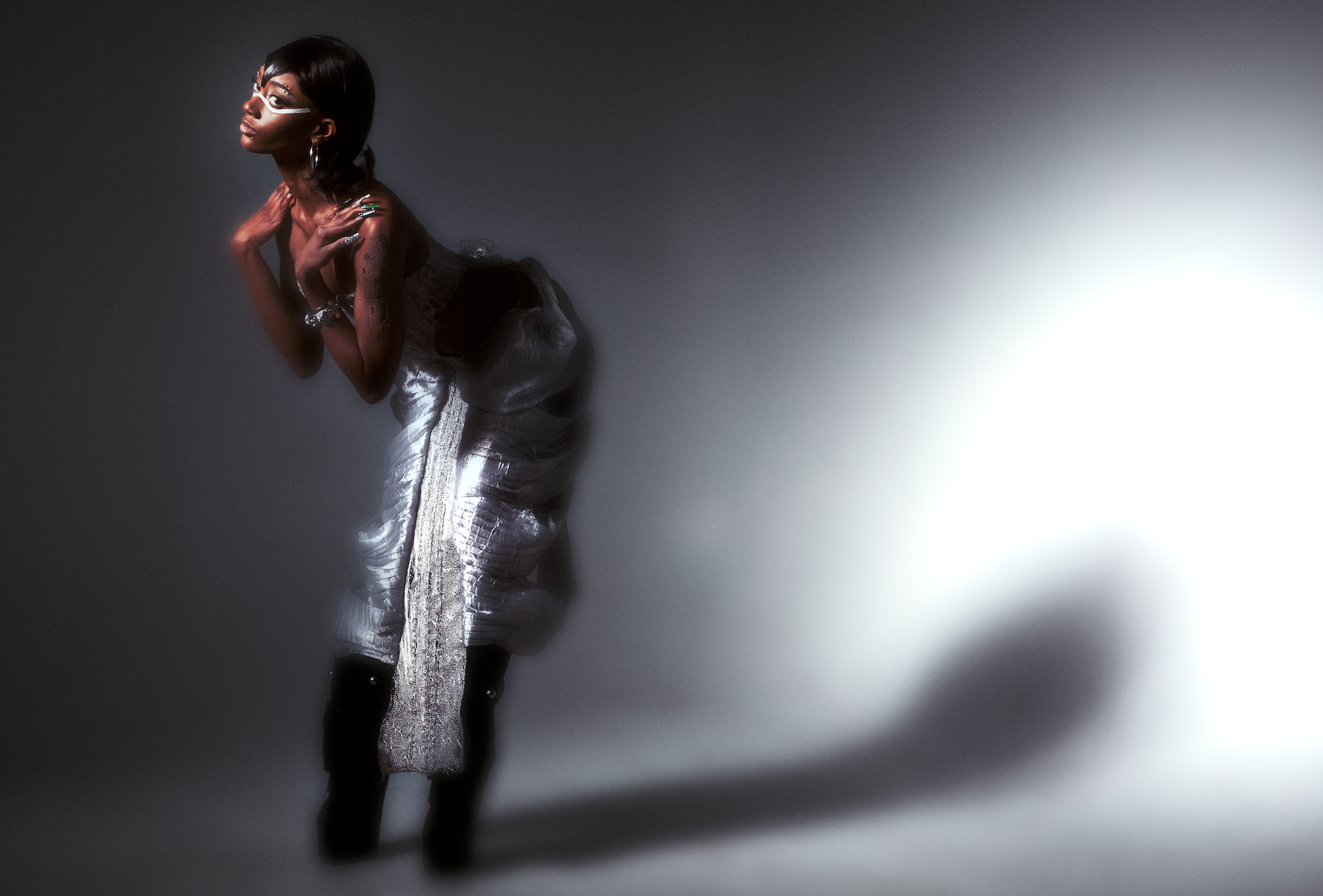
Talent: @ak__ikk0, @naomiiahhh
Creative Director: @maya.davila
Photographer: @michaelkennethh / @michaelkennethphotography
Photo Assistants: @pepperlovve, @melihnda
Stylist: @oriana_aponte_
Fashion Assistant: @lailaalexus / @styled.bylaila
Makeup Artists: @eeekclaire, @g.shi_7
Hair Artist: @allthatstyles
Nail Artists: @gingerfroggy / @filed2kill, @green_goddessa / @greengoddessnails
BTS Socials Assistant: @jzmnyvnn
Videographer: @melihnda
Writer: @maya.davila
Graphic Designer: @maya.davila
Then the conversation shifts into displacement. What’s most unsettling is that we have seen this before in various media. I think back to when I watched I, Robot (2004), where systems designed to serve humanity began operating beyond human control, interpreting directives in ways that ultimately undermined the people they were meant to protect. In one of my favorite video games, Detroit: Become Human, the line between machine and human was blurred entirely, raising questions about autonomy, consciousness, and what it means to truly be alive. At the time, stories like these felt speculative, yet with the way our society is jumping at every opportunity to integrate AI into our lives, it feels as if we’ve started to reorganize the world around it. Not that we’ve created sentient machines (at least, not yet and not intentionally), we are adjusting our behavior, our expectations, even our values to accommodate what these systems can do. We built them to serve us, so why does it feel like we’re the ones adapting?
AI doesn’t just change how we work; it also changes what we value. If creativity becomes instant, does it still mean anything? If art is generated without effort, without experience, without intention, then what are we actually engaging with? The future is not determined by these rapidly changing technologies, but is shaped by what we accept, normalize, and are willing to exchange for convenience. We aren’t powerless, but we are comfortable, and that may be the most dangerous part of it all.
