CREATING AT RISK - WHY ARTISTS CAN’T AFFORD SILENCE
Text by Natalia Gaytan
The country is suspended in a moment defined by extreme political division, dreadful fear, and state-backed violence. In the last year, ICE raids have grown increasingly violent, with protesters being met with unwarranted aggression and in some cases, death. At the same time, the United States continues to fund Israel’s genocide in Palestine, using taxpayer money toward mass violence abroad, rather than focusing on the well-being of its own people. In the past year alone, the U.S. has carried out military strikes across multiple countries, further reinforcing the harm caused by its imperialist ideologies. While this has left communities torn and uncertain, it has also created collective clarity—revealing what we are able to tolerate and what we need to resist. This violence isn’t isolated, and neither is silence. Now that access to information is unavoidable, looking away is not a neutral act. And yet, many artists have chosen to comply rather than resist. Does creating while refusing to bear witness to the very world that makes creation possible drain art of its purpose and power? When artists turn their back to the moment they live in, what does that mean for art?
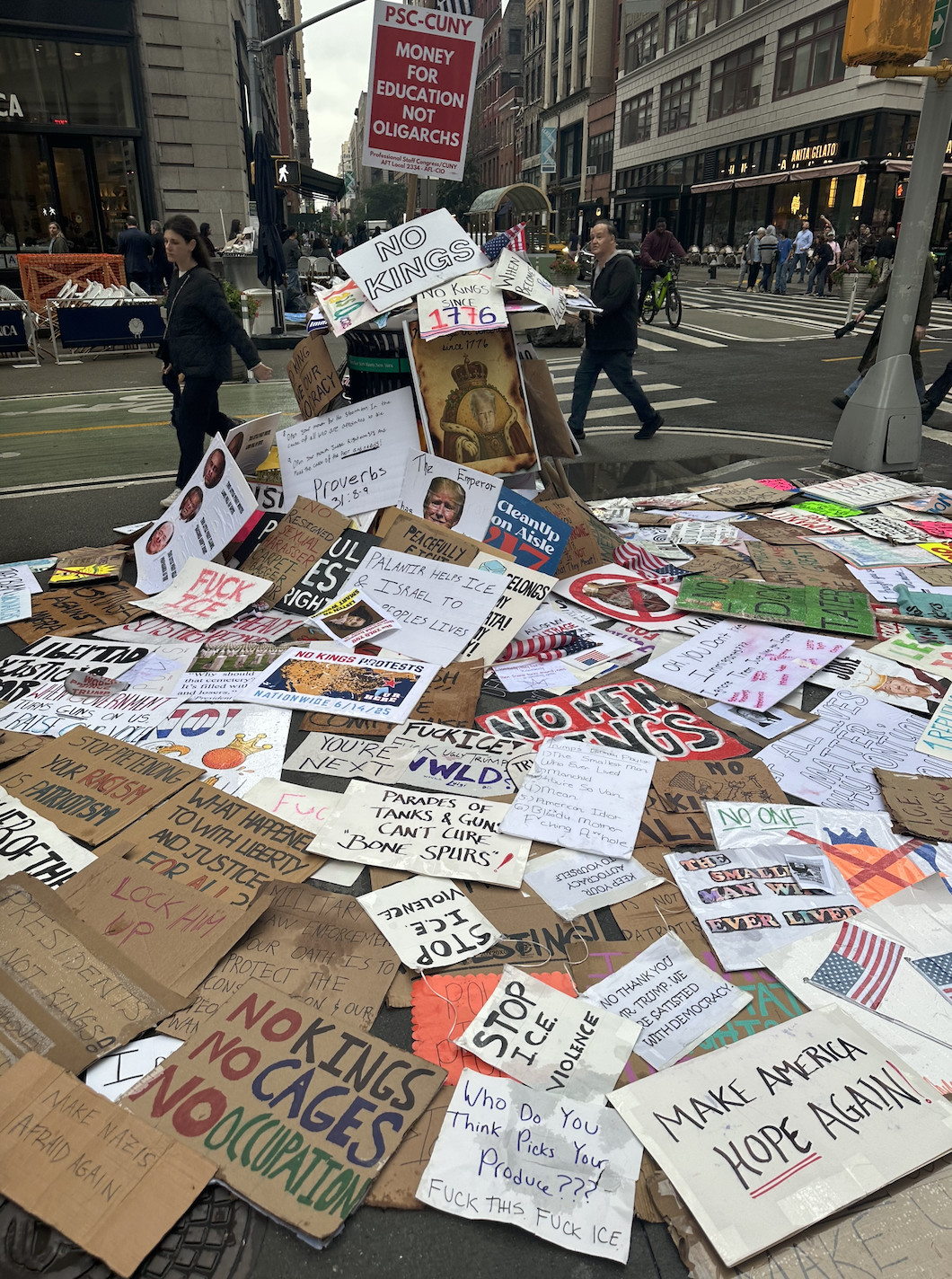
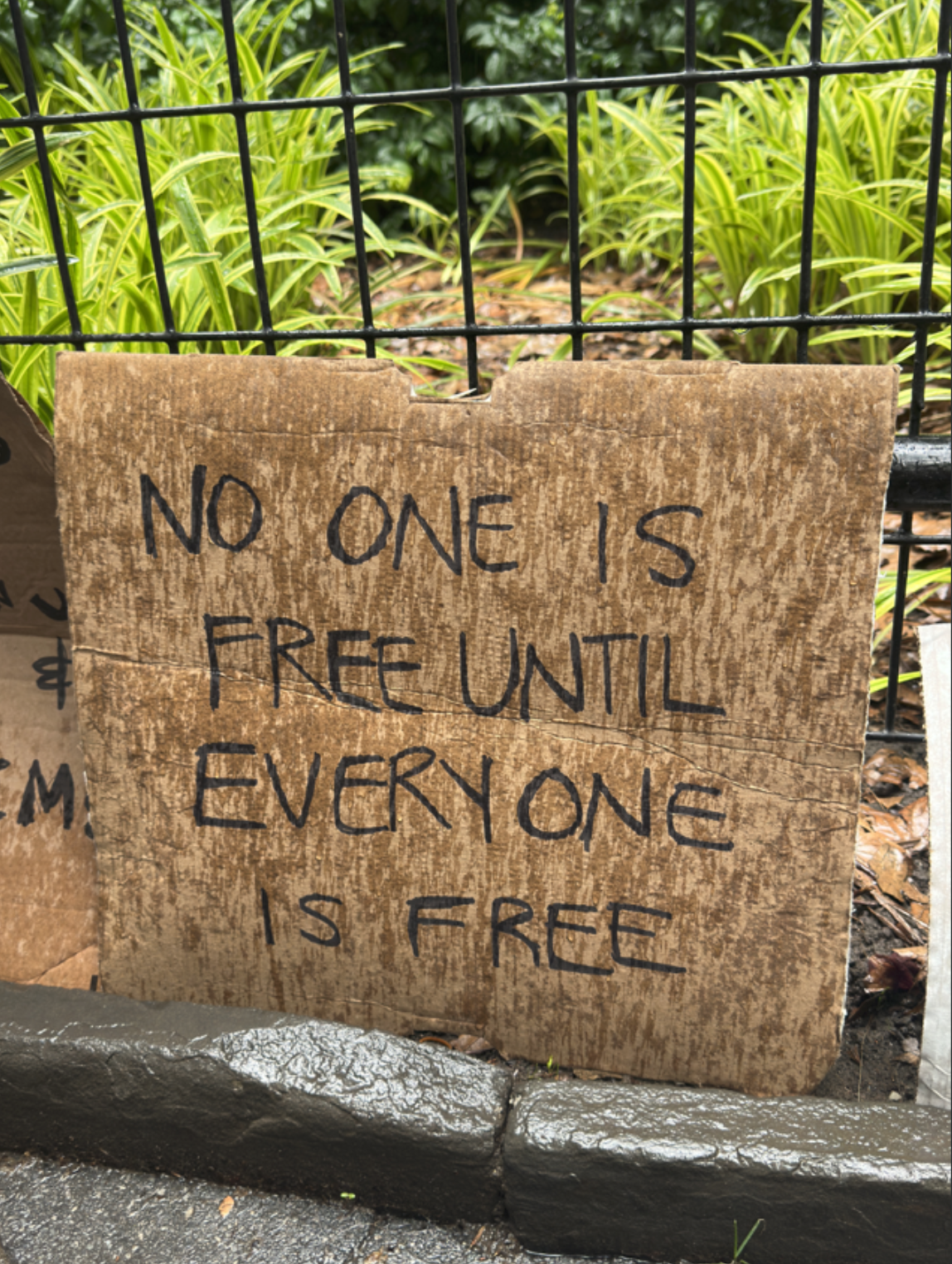
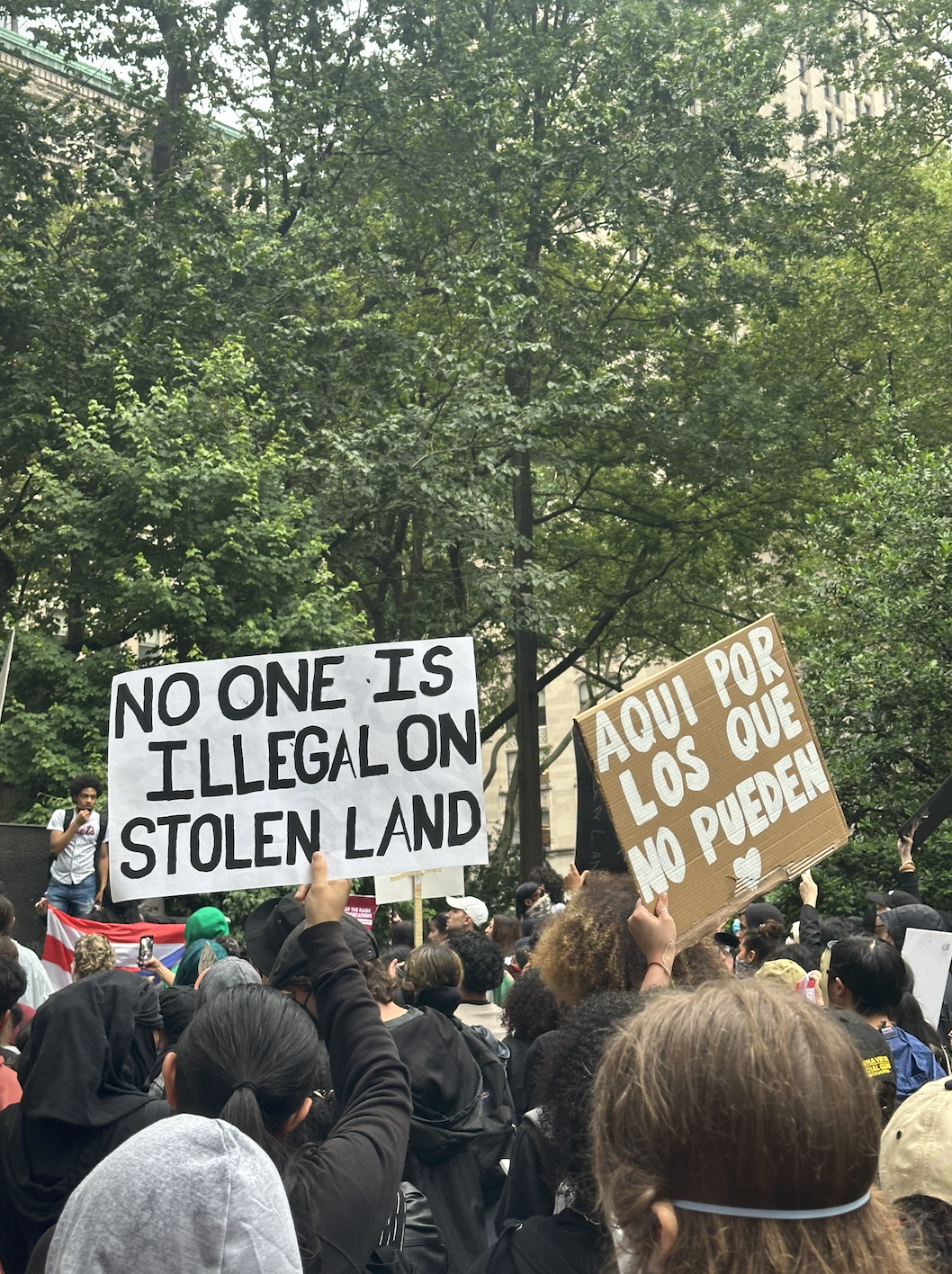
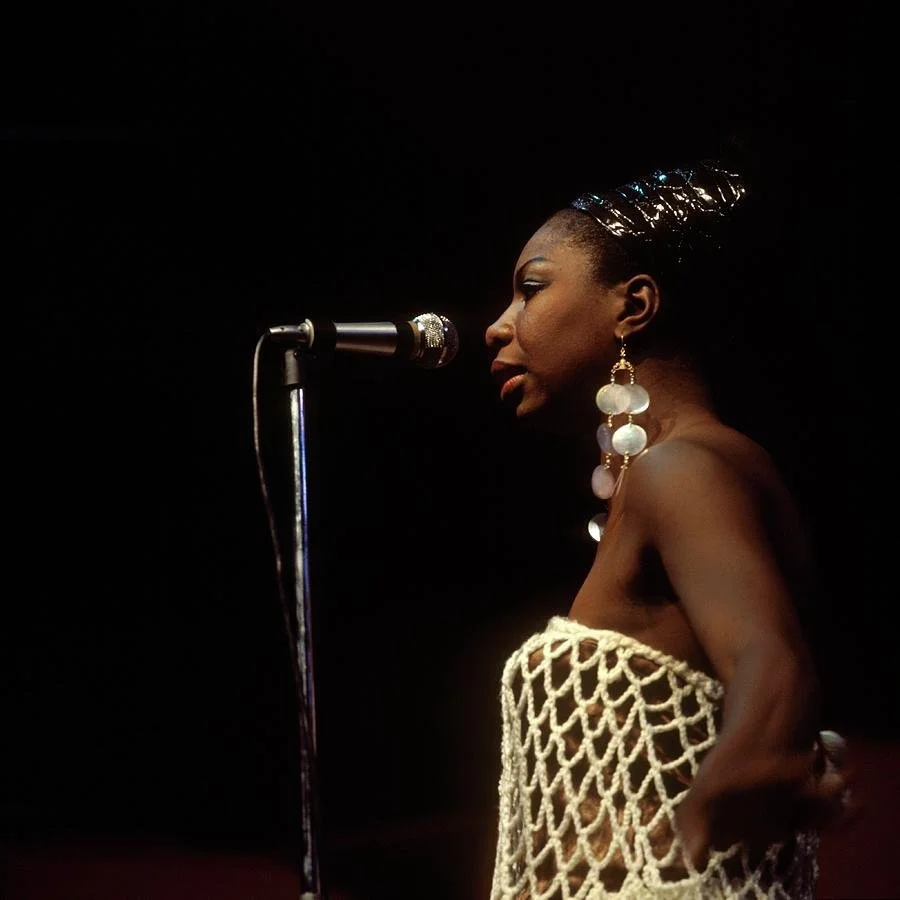
To claim political neutrality is not only a choice, but a privileged one. Despite contrary claims, art has always been political because politics shape how we perceive art itself. In the past, artists were known for their willingness to advocate for those who needed it most. They didn’t aim for career safety; they responded because the time demanded it. During the Civil Rights movement, artists used music, visual art, and performance as protest, challenging segregation and state violence. After the murder of Medgar Evers and the bombing at Birmingham Church in 1963, Nina Simone released Mississippi Goddam, a song that transformed cultural rage into testimony and refused silence during state terror. Throughout the anti-apartheid movement in South Africa, artists around the world participated in boycotts and used their reach to expose and condemn state-sanctioned racism. Amidst the AIDS crisis, queer art transformed cultural grief into memory, refusing the silence the country imposed on those affected by the crisis. In all of these moments, art did not wait for a politically correct time–it responded.
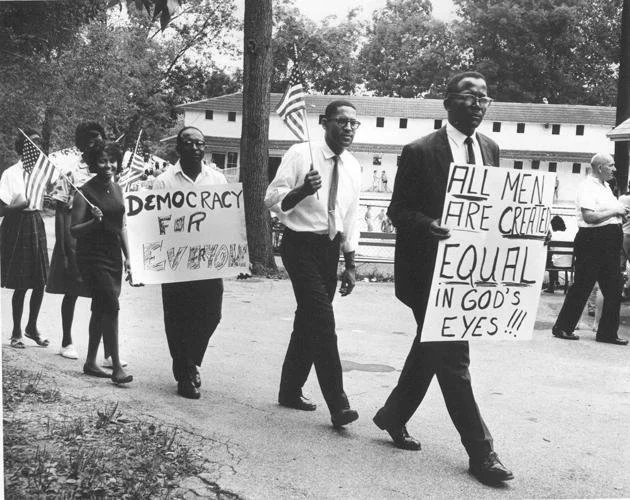
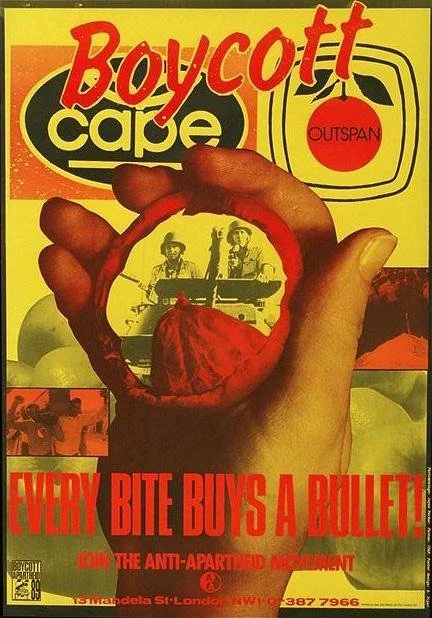
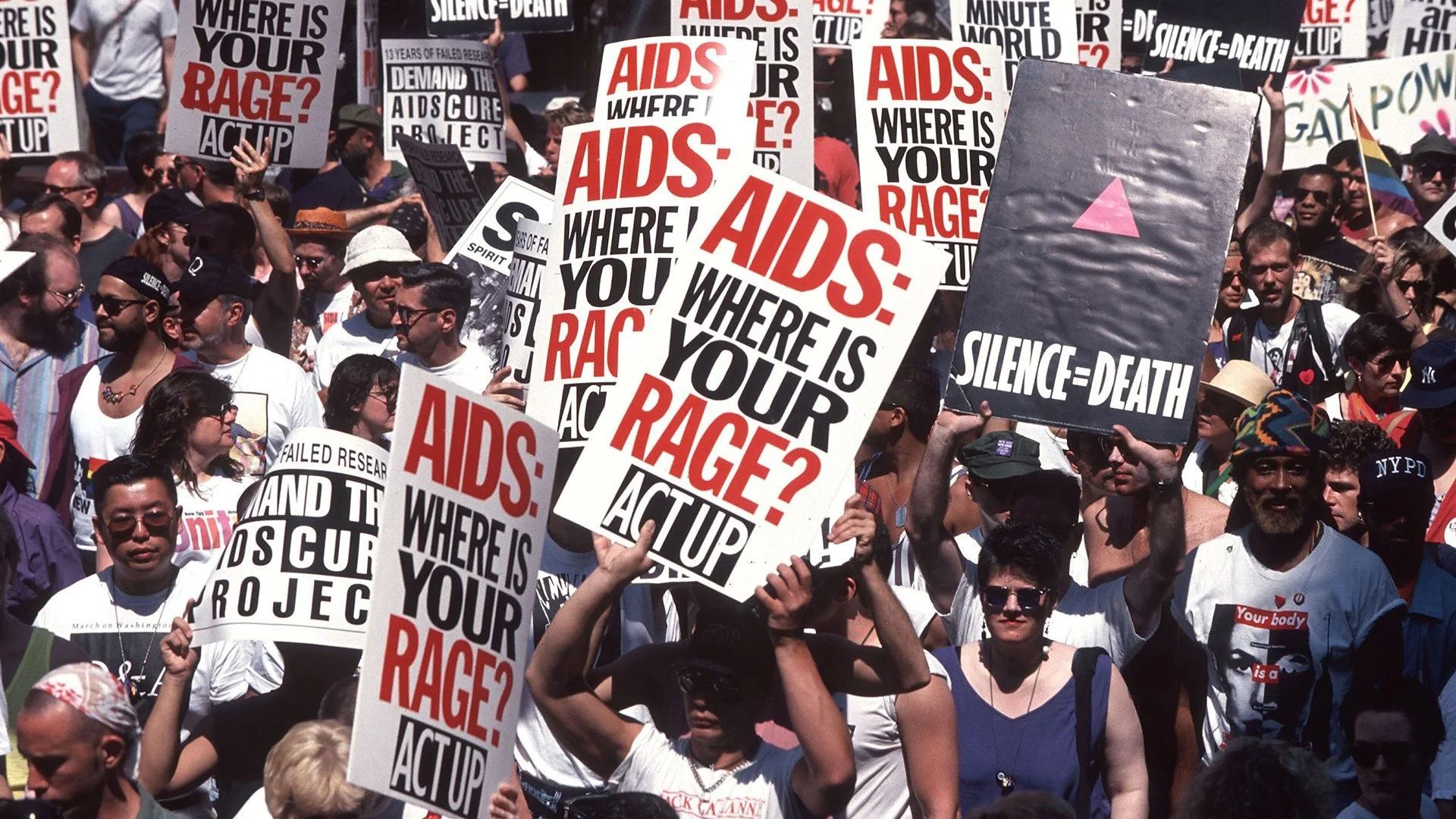
In Create Dangerously, French writer and philosopher Albert Camus argues that we cannot separate ourselves from collective suffering without declaring alignment with the oppressor. “Silence,” he says, “has taken on a formidable meaning.” It is inconceivable that artists could truly be unaware of the violence surrounding us. More often than not, they know of current events, yet many just choose to ignore them. This choice comes from many reasons, but at the end of the day, it reveals a prioritization of comfort over empathy.
Many artists fear the backlash that can come from public solidarity with the oppressed, and the lack of visibility or opportunities that can come after. Algorithms are programmed to shadow ban content that challenges dominant narratives and online harassment can be overwhelming. Others may be bound by contractual obligations or be wary of risking their careers. Still, when did visibility start to outweigh ethical responsibility? Is success worth keeping if it demands that we turn away? As artists, can we even sanitize our art from the political realities that shape our artistic vision?
For some artists, remaining in a bubble of privilege is not an option. Instead, they use their work as contemporary resistance, naming collective pain and insisting on remembrance.
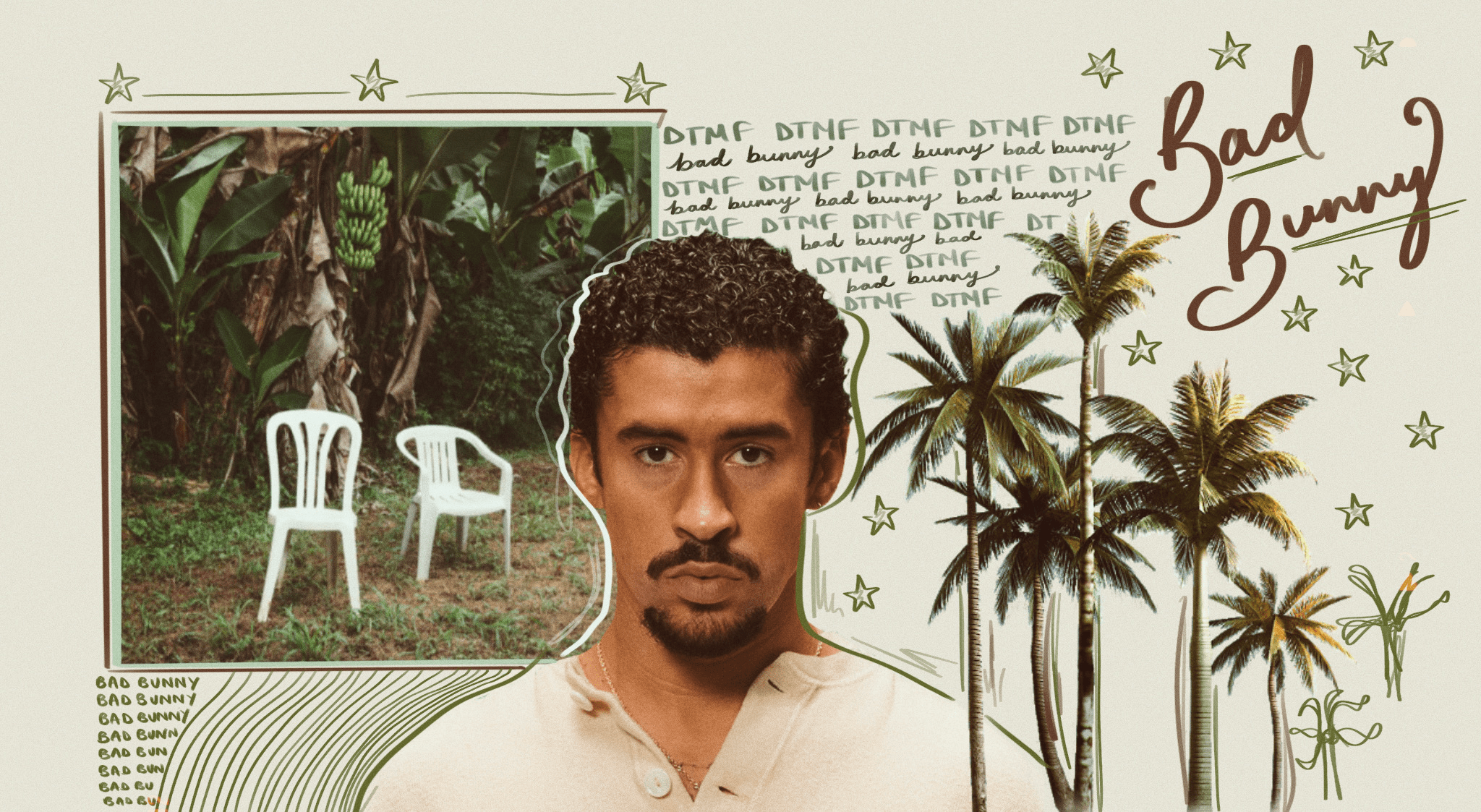
Last January, Puerto Rican artist Bad Bunny released his album Debí Tirar Más Fotos. Spending several weeks at No. 1 on the Billboard 200 chart and hitting over 1 billion streams in just 13 days, the album achieved global success. Embedded with themes of migration, collective memory, international politics, and resistance, the album proved that political art does not alienate audiences, it moves them.
In September, over 5,000 artists in the film industry launched Film Workers for Palestine, an initiative not to screen films, appear at or otherwise work with Israeli film institutions that are implicated in genocide and apartheid against the Palestinian people. Including artists like Mark Ruffalo, Ayo Edibri, and Nan Goldin, Film Workers for Palestine follows the legacy of South Africa’s anti-apartheid cultural boycott, understanding participation and its withdrawal as political power.
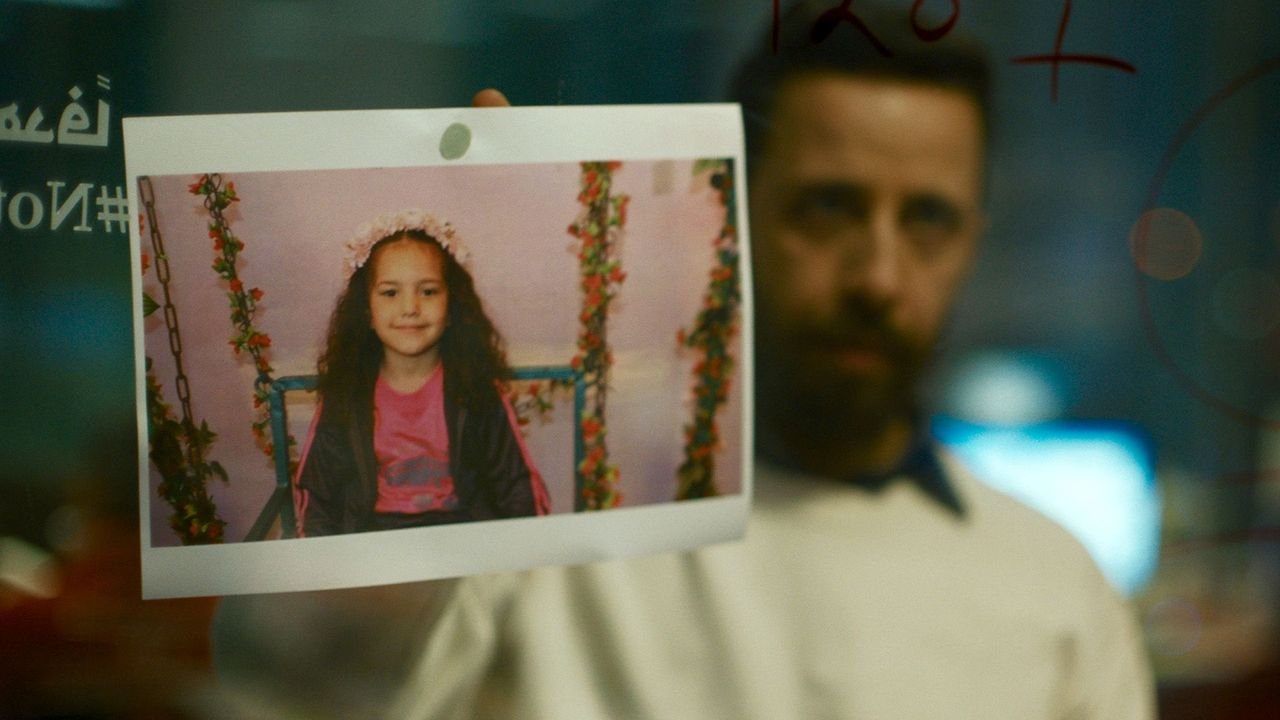
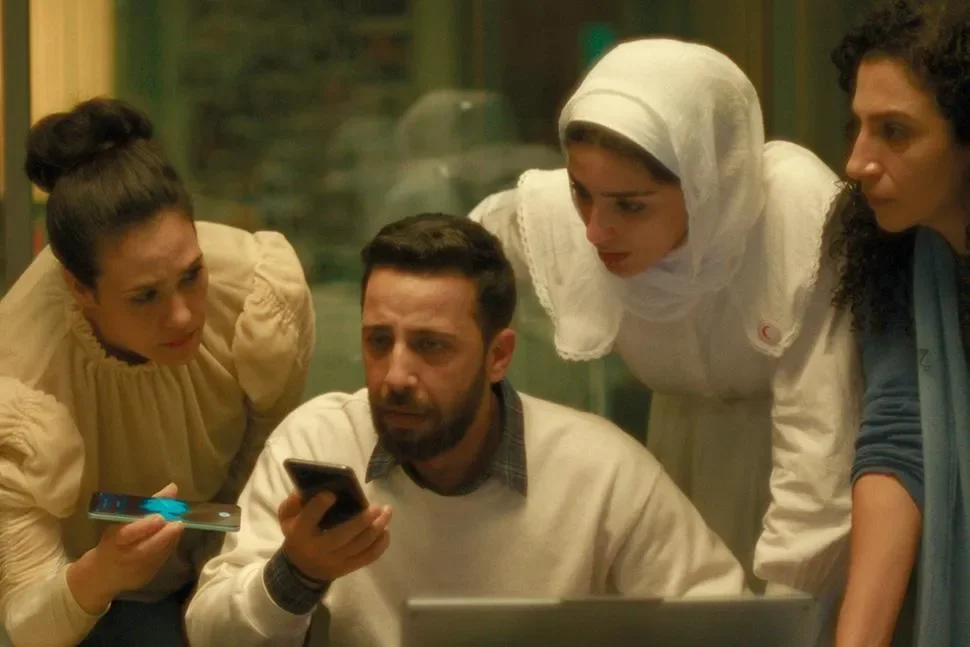
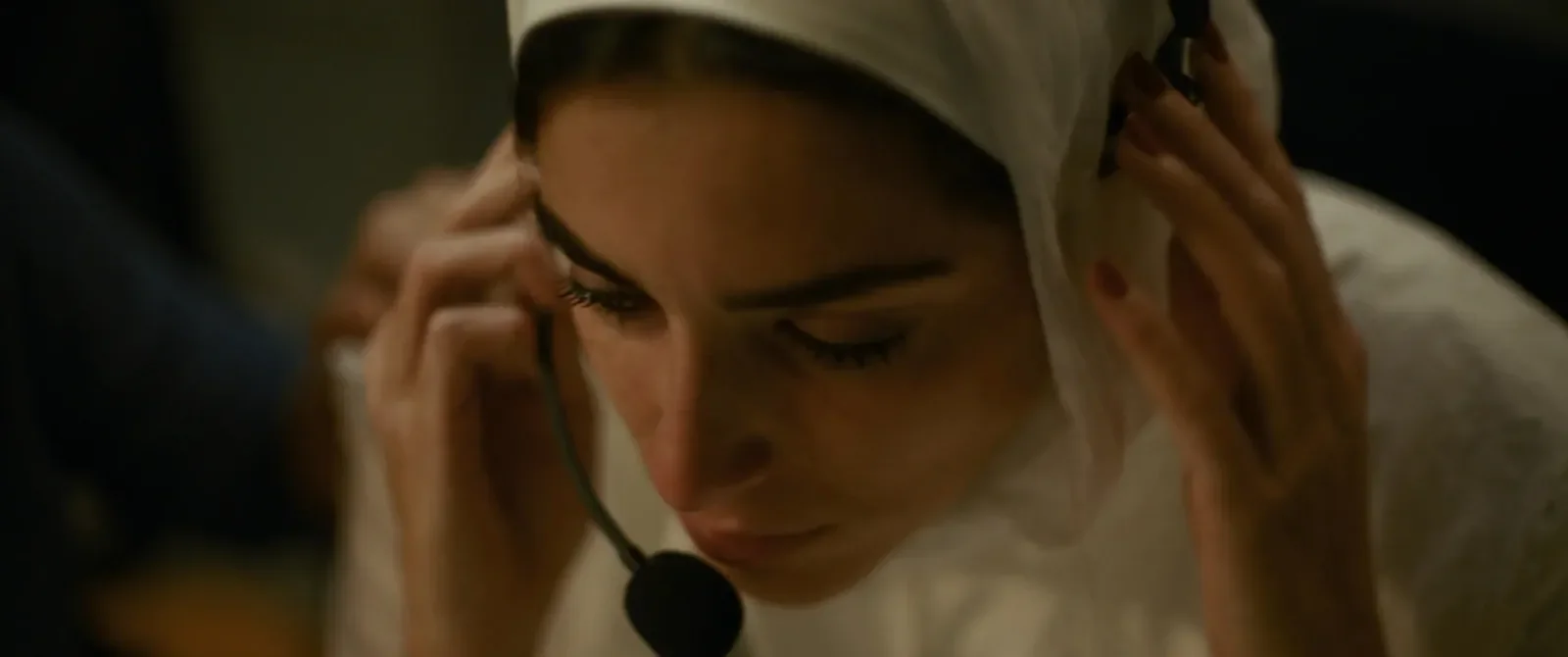
This year, one of the films nominated for the Academy Award for Best International Feature is Kaouther Ben Hania’s The Voice of Hind Rajab. Executively produced by artists such as Alfonso Cuarón, Jonathan Glazer, and Spike Lee, the docudrama portrays the killing of six-year-old Palestinian girl, Hind Rajab, and the two Palestinian Red Crescent Society paramedics who attempted to rescue her. Blending documentary with scripted scenes, the film insists on cinema’s role as testimony, refusing erasure from state-backed violence.
Whether we like it or not, film, music, and media are inseparable from politics. Politics shape how we experience life, and therefore the way we create. At the heart of art lies the capacity to connect with others, and with that comes responsibility. It is not our duty to create perfectly, but rather to create while actively engaging with our communities–risking it all in the name of something bigger than our careers. Our time desperately calls for it. If art cannot stand with those who need it the most, what kind of future does it leave us with?
