FACES 2 WATCH: Stjórn Revali
Interview by Editor-in-Chief, Maya Davila
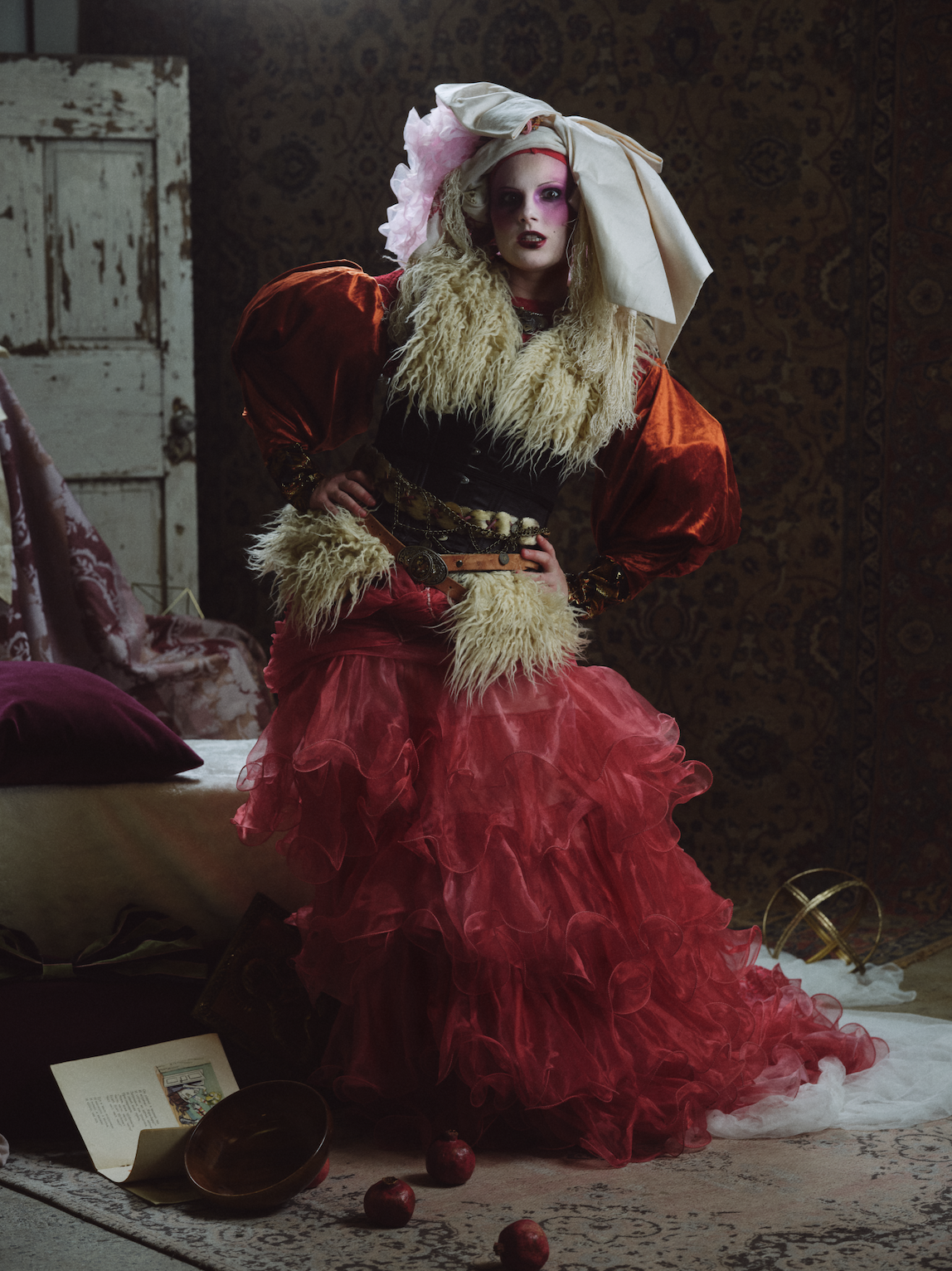
Stjórn Revali is a self-made couturier, performance director, and artist, whose work weaves together mythology, sustainability, and immersive storytelling. She is currently in the running for Elton John’s Style Competition, with the link to vote for her here: STYLE ICON VOTING.
Maya Davila: What was your introduction to fashion? Your first memories of dressing up and exploring identity through clothing?
Stjórn Revali: The dawn of Stjórn…let’s go back to the beginning. I was always—I suppose we can say—an odd child. I attached myself to what I saw in the media, and wanted to look like my favorite characters. This was my segue into the world of cosplay. From a young age, I have been a lover of costuming and cosplay. I would cosplay Link from the Legend of Zelda series, and I enjoyed finding ways to create a ‘casual’ cosplay. I loved creating outfits on Polyvore. I didn’t own a lot of clothing growing up, but I’d often get hand-me-downs from my older cousin, Isabelle, who is also an amazing designer. I would style myself based on what I got. I remember getting clothes from iconic 2000s brands like Bebe. This wasn’t my style at the time, since my heart belonged to dressing like video game characters.
MD: I’d love to hear more about your first memories of dressing up and developing your identity through clothing.
SR: I’ve always loved dressing up. One of my fondest memories is with my Nana. She had a large, dress-up chest that would always have a new dress from the thrift store when I came over. Many of these dresses were vintage pieces…Lord knows I wish I had kept them. There’s one dress in particular that comes to mind, a stunning 70s piece. I loved that one dearly. My Nana was a very practical woman—she made all of my dad’s clothing growing up. Once I grew out of something, she would transform it for me. My great aunt, her little sister, was a designer and stylist, and I eventually got her hand-me-downs once I got older; she had a wicked sense of style. She always sported this curly, red bob, and it always paired so well with hats. This actually inspired me to have my own hair in a bob. While I am not a traditional fashionista, I am certainly imaginative.
MD: Walk me through your upbringing.
SR: I remember thinking to myself, “I don’t ever want to be a designer”—I’m a hot-headed Aries, and the patience to create a garment was simply not a virtue I possessed. I was deadset on becoming an archaeologist after developing a hyper-fixation on Indiana Jones. With 2 teachers as parents, my love for cultural education was encouraged above all else. While many kids were into Greek mythology, I was drawn to something more familiar. Scandinavia was my muse from an early age, and I was deeply obsessed with Vikings and the ancient North. This obsession has only deepened. My grandfather had a subscription to National Geographic, so anything with a focus on Scandinavia was directly delivered to me from my loving Nana. She made a collage for me of photos of Iceland when I was around 11 or 12…it was very moving to be encouraged and seen this way.
MD: Did this relate at all to your time at university?
SR: This is where things get muddy. I didn’t start with cultural studies, but rather math…I didn’t know what I was thinking, so let’s leave it at that.
MD: What inspired that change?
SR: When my grandfather passed. I inherited all of our family genealogy, per his request, and something inside of me felt a call to action. I never knew him well. He was in a very deep depression, as well as having other severe mental health issues, which resulted in him being estranged from my family. After his passing, I only then discovered that we had shared many of the same interests. He loved Scandinavia, especially mythology and the occult. He was curious about culture, music—Fleetwood Mac in particular— and, intriguingly, the anthropology of our own family. I’d always assumed my heritage was French, German, and Eastern European. But after reading the migration records he left, I made a discovery that changed my life. We had a small Icelandic ancestry, which so happens to be my favorite Scandinavian country. That revelation fueled my academic research; much of my university focus was on Ireland. I wrote many papers on Icelandic migration, cultural history, and religion.
MD: What part of your research did you find particularly fascinating?
SR: I kept returning to garments in my cultural studies—especially how they carry cultural meaning and are multi-purpose. How does culture become translated into a physical garment? But at this time, I think around 2023, I didn’t have an outlet for this curiosity just yet. I was focused on the political aspects of culture, which felt creatively stifling.
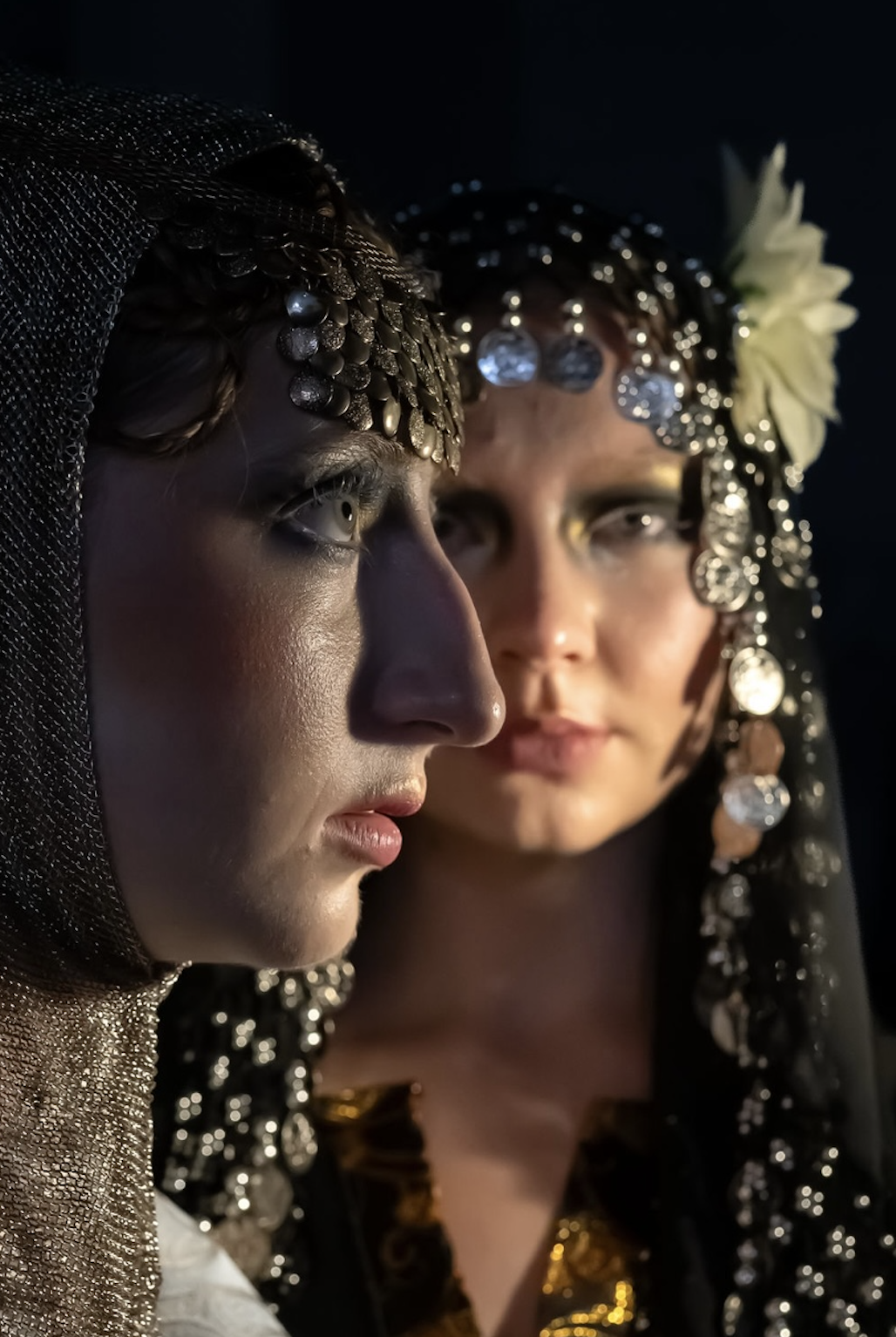
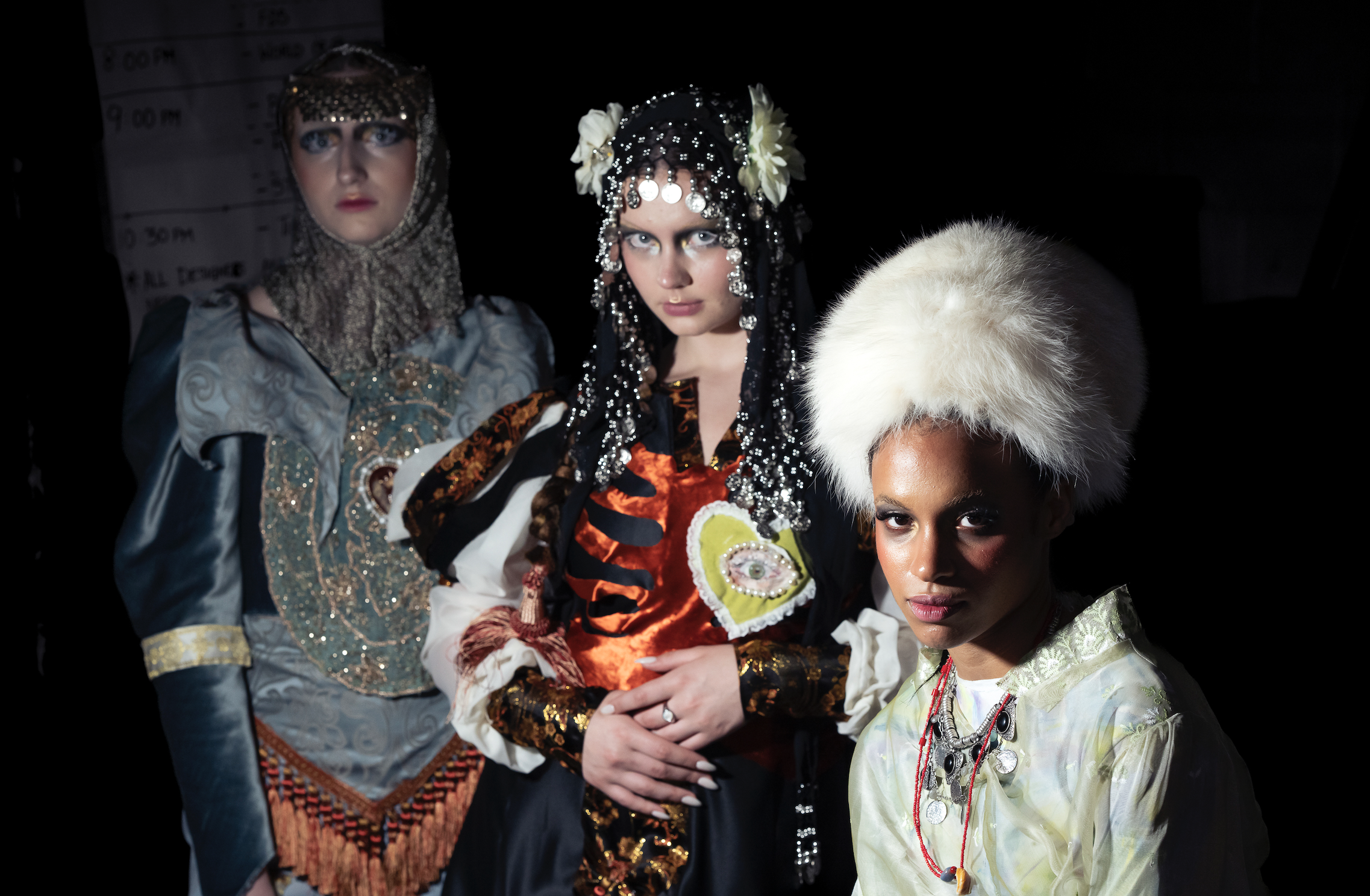
MD: Let’s dive into the origins of Storrveldi. How did you come up with this name?
SR: I have about 4 different languages that swirl around in my head, so sometimes my brain doesn’t know what to do. I knew I wanted the name of my brand to assert a clear identity, and I think part of my reasoning for this comes from my own name, Stjórn, which means governance. I knew I wanted my brand to be personal, to reflect my interests: Assassin’s Creed, Legend of Zelda, and Iceland. By default, I went with Iceland, since my first 2 interests are trademarked. I brainstormed different options until I found one that not only sounded like a proper fashion brand, but also was unusual enough that you would only associate it with me when you hear it. I’m building an empire, so I wanted a name that was synonymous with that. An English name? Too boring? French? It’s giving, “Florals? For Spring? Groundbreaking.” To an English person, Storrveldi is easy to pronounce and powerful. To an Icelander, it’s right on the nose. I firmly believe the strong conviction of my brand name led to its success.
MD: When did you start designing clothes?
SJ: I think around 2023, I don’t remember when I started! My first proper collection was the one I presented for Fashion Art Toronto in 2024, titled ‘Shadows of Forgotten Ancestors.’ Before that, the collection I created was more of an experiment. About a month ago, I got into designing ready-to-wear. There are many firsts in my design journey that I am still working on…
MD: How do you balance your time?
SR: I recently decided to take a break from school to solely focus on my art. Right now, I am a full-time artist. I don’t count my minimum wage jobs as a part of my career, just a way to survive.
MD: Who or what is your inspiration behind your creations? Do you approach each collection with the same ethos? Or do your ideas come in a flow state?
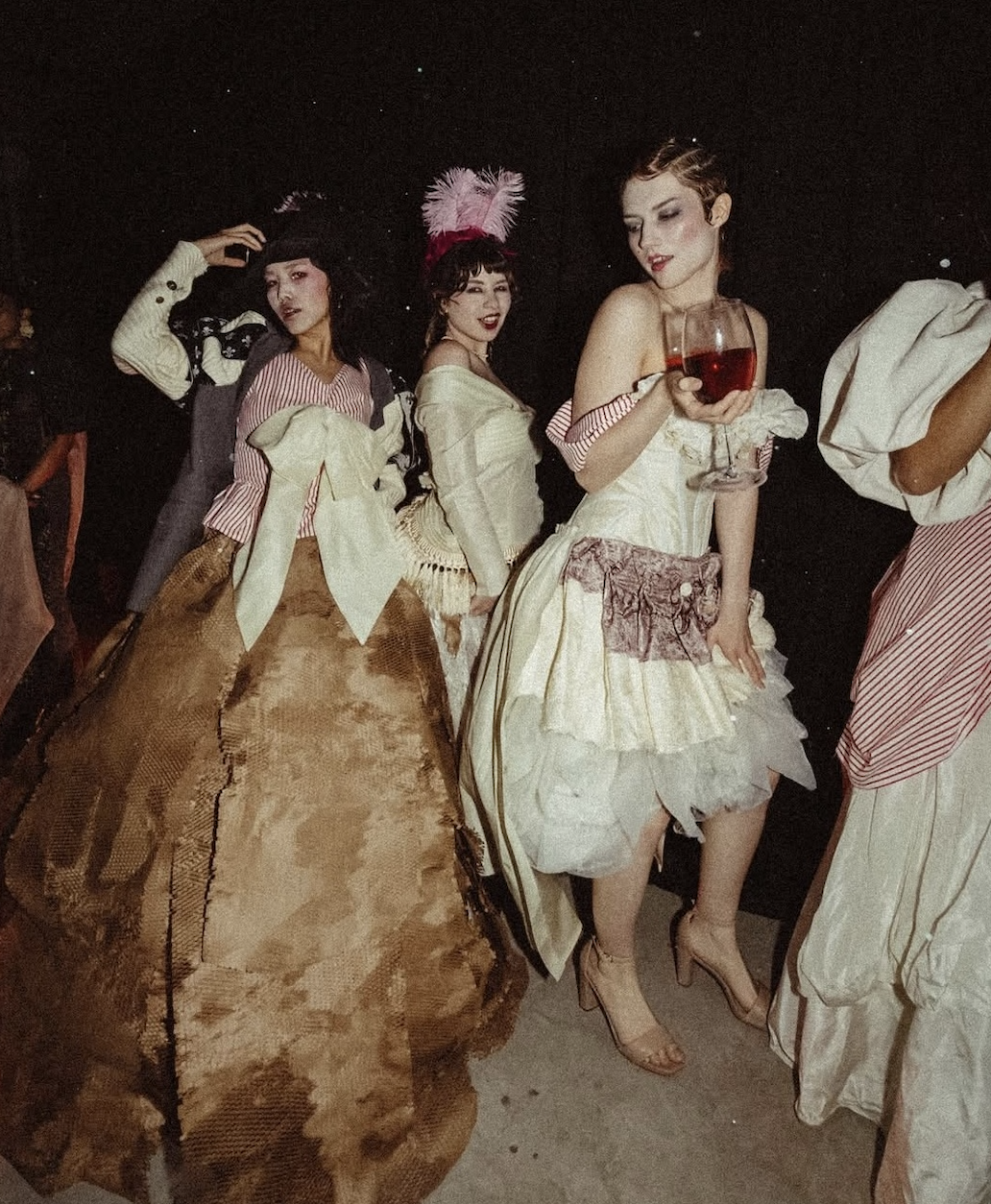
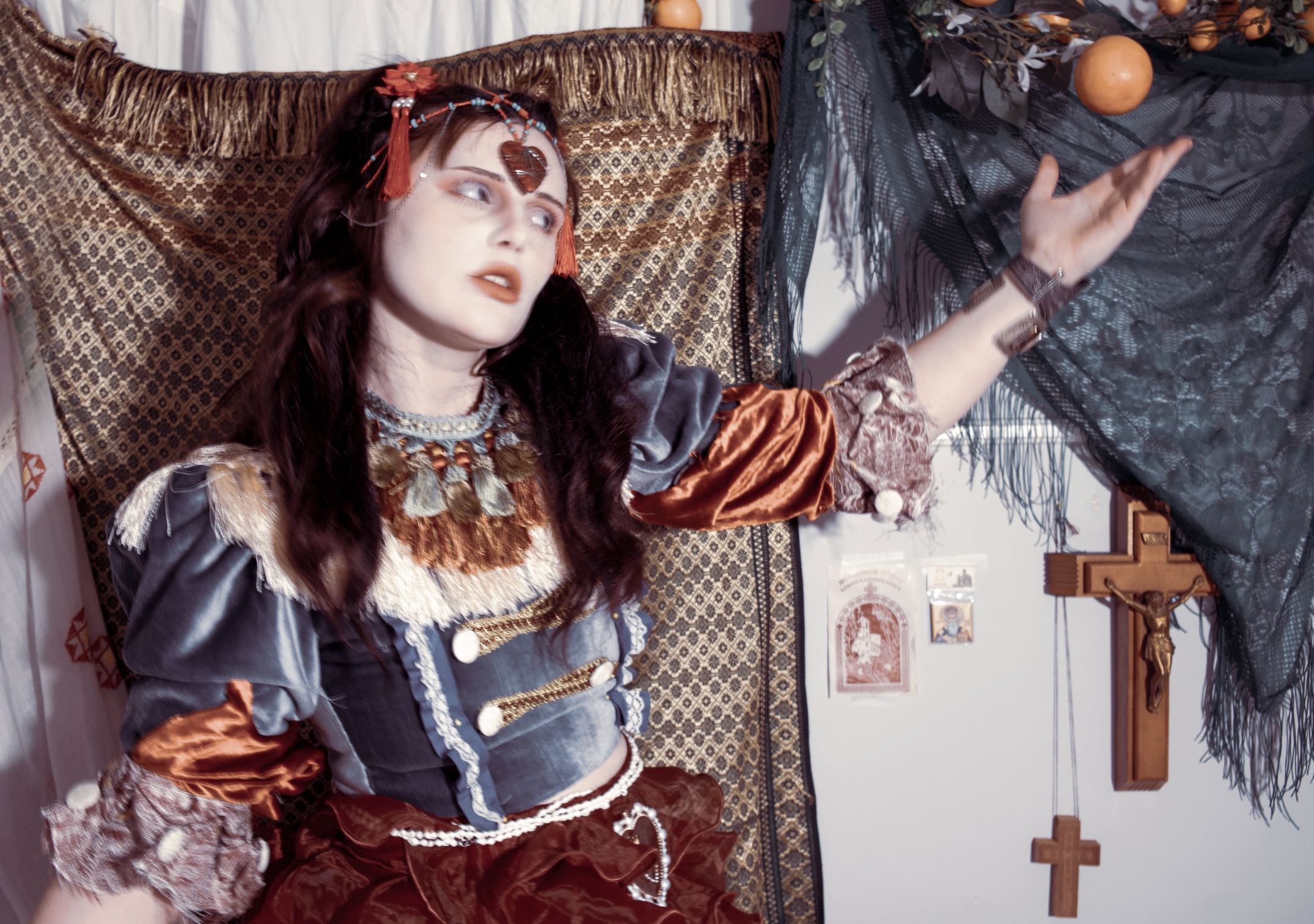
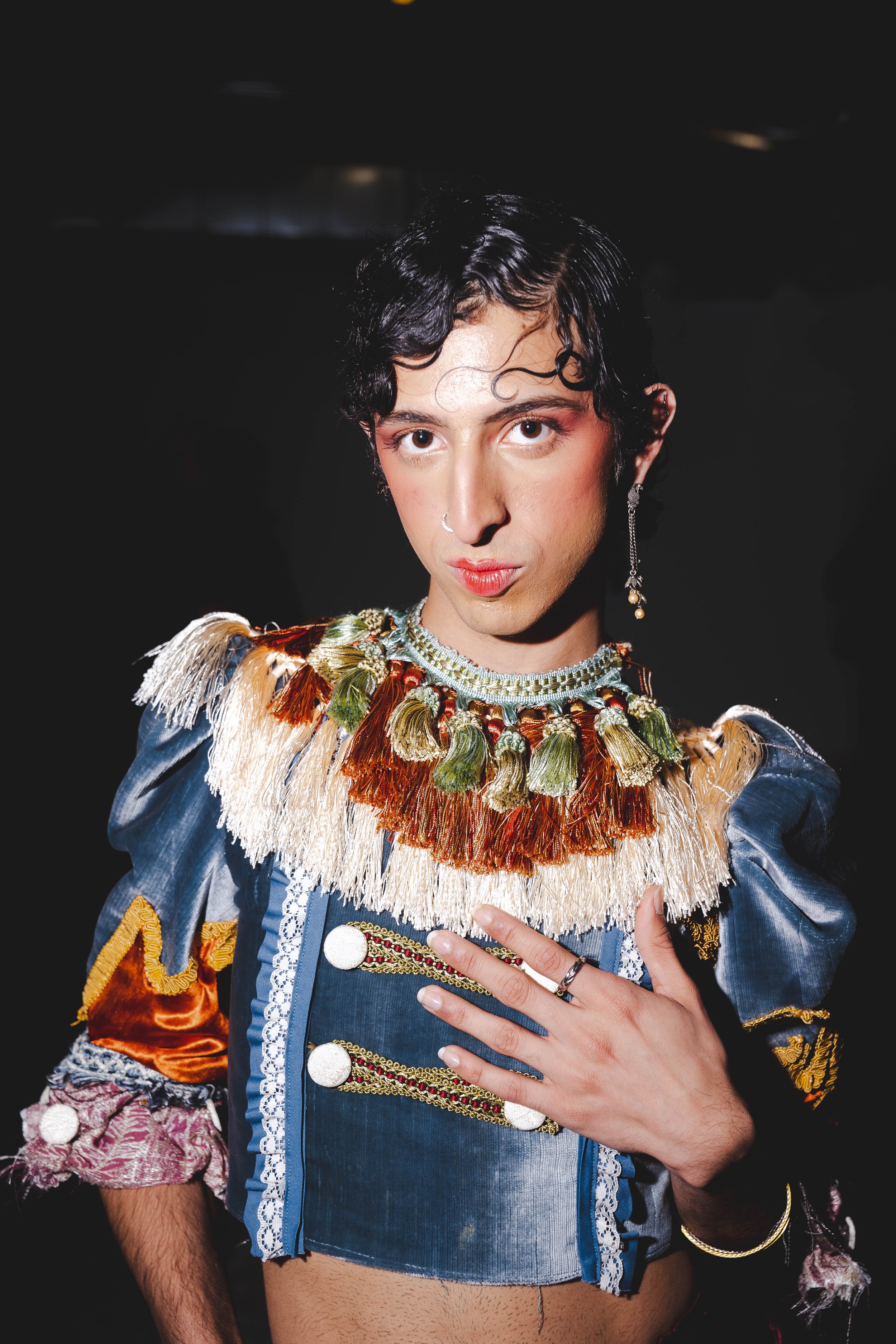
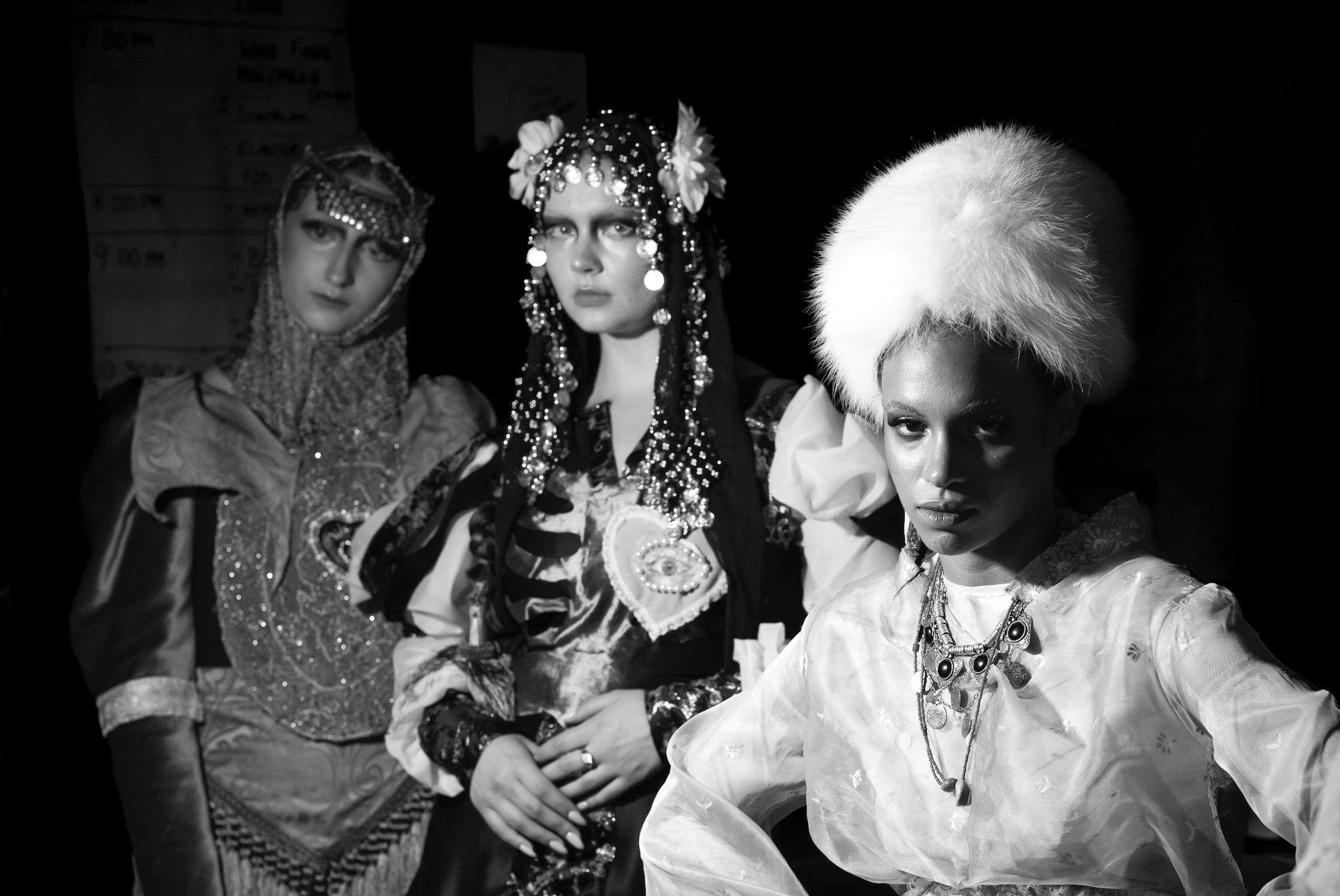
SR: Each collection has its own inspiration. I’ve shown 2 on the runway, but I’ve technically made 4. The inspiration always comes from within—my own inner world. There are outside influences, sure, but ultimately it’s how I see things. My work reflects my world; it’s not meant for voyeurs, if that makes sense. When it comes to creating garments, I don’t sketch or drape. I just start. At this point, I know which shapes I like, so I stick to that aesthetic; what changes is the embellishment. My first collection was about my ancestral lineage and the longing to understand myself, to understand the stories that came before me. It was a sense of closure after years of questioning my purpose. My most recent collection was a response to how my initial collection was perceived.
A lot of people misunderstood it. The essence of my work was reduced to buzzwords like ‘medieval-core,’ and one article even said my garments represented “a jester, a knight,” et cetera. I get that journalists move fast, but it felt dismissive. My work is incredibly detailed and made by just me! If I were simply creating to keep up with trends, it would feel meaningless. That’s why my latest collection was intentionally silly. It referenced the lack of critical thinking I see so often. I chose to reflect the aesthetics of the French Revolution since it is widely recognized to be rebellious. The production was also purposefully ‘disastrous.’ I instructed the models to destroy their garments on stage and to be as impolite as possible.
MD: That’s super unconventional.
SR: If people are going to overlook and dismiss the depth of my work, then it will be my own decision, my terms. Ironically, the audience loved it. So did I.
MD: How do you balance your time?
SR: I recently decided to take a break from school to solely focus on my art. Right now, I am a full-time artist. I don’t count my minimum wage jobs as a part of my career, just a way to survive.
MD: Who or what is your inspiration behind your creations? Do you approach each collection with the same ethos? Or do your ideas come in a flow state?
SR: Each collection has its own inspiration. I’ve shown 2 on the runway, but I’ve technically made 4. The inspiration always comes from within—my own inner world. There are outside influences, sure, but ultimately it’s how I see things. My work reflects my world; it’s not meant for voyeurs, if that makes sense. When it comes to creating garments, I don’t sketch or drape. I just start. At this point, I know which shapes I like, so I stick to that aesthetic; what changes is the embellishment. My first collection was about my ancestral lineage and the longing to understand myself, to understand the stories that came before me. It was a sense of closure after years of questioning my purpose. My most recent collection was a response to how my initial collection was perceived. A lot of people misunderstood it. The essence of my work was reduced to buzzwords like ‘medieval-core,’ and one article even said my garments represented “a jester, a knight,” et cetera. I get that journalists move fast, but it felt dismissive. My work is incredibly detailed and made by just me! If I were simply creating to keep up with trends, it would feel meaningless. That’s why my latest collection was intentionally silly. It referenced the lack of critical thinking I see so often. I chose to reflect the aesthetics of the French Revolution since it is widely recognized to be rebellious. The production was also purposefully ‘disastrous.’ I instructed the models to destroy their garments on stage and to be as impolite as possible.
MD: That’s super unconventional.
SR: If people are going to overlook and dismiss the depth of my work, then it will be my own decision, my terms. Ironically, the audience loved it. So did I.
MD: What are you working on now? Can you spare any insight?
SR: My current collection has a very strange ethos. I am not ready to share just yet, but it’s definitely a new direction. Not like anything I have done before.
MD: Your work is comprised of one-of-one pieces, crafted by recycled materials. How do you approach sourcing? Do you stay local in Canada? Walk me through your process.
SR: Full transparency, I am not well off. In our current recession, it’s getting harder and harder to produce designs. Everything must be thrifted and recycled; I have to be smart financially. I don’t sell my dresses because they are often turned into other dresses. I also only stay local to my neighborhood thrift. I wish I could say my sustainability aspect was altruistic, but it is reflective and self-serving of my tight budget.
MD: Is there a particular collection or look that holds a special meaning to you?
SR: All of my pieces are my favorite, so it’s hard to pinpoint just one! However, I think the first dress of my first collection is the most special. It’s a red and white gown that I embroidered pomegranates on, and it brought the whole collection to life; the dress felt like a character in itself…there were many classical ballet elements. I currently have it hanging on my bedroom wall. I get giddy just looking at it. It marked a turning point for me, where I felt like a proper designer.
MD: What has been your most rewarding experience as an artist? Is there any particular memory or event that comes up?
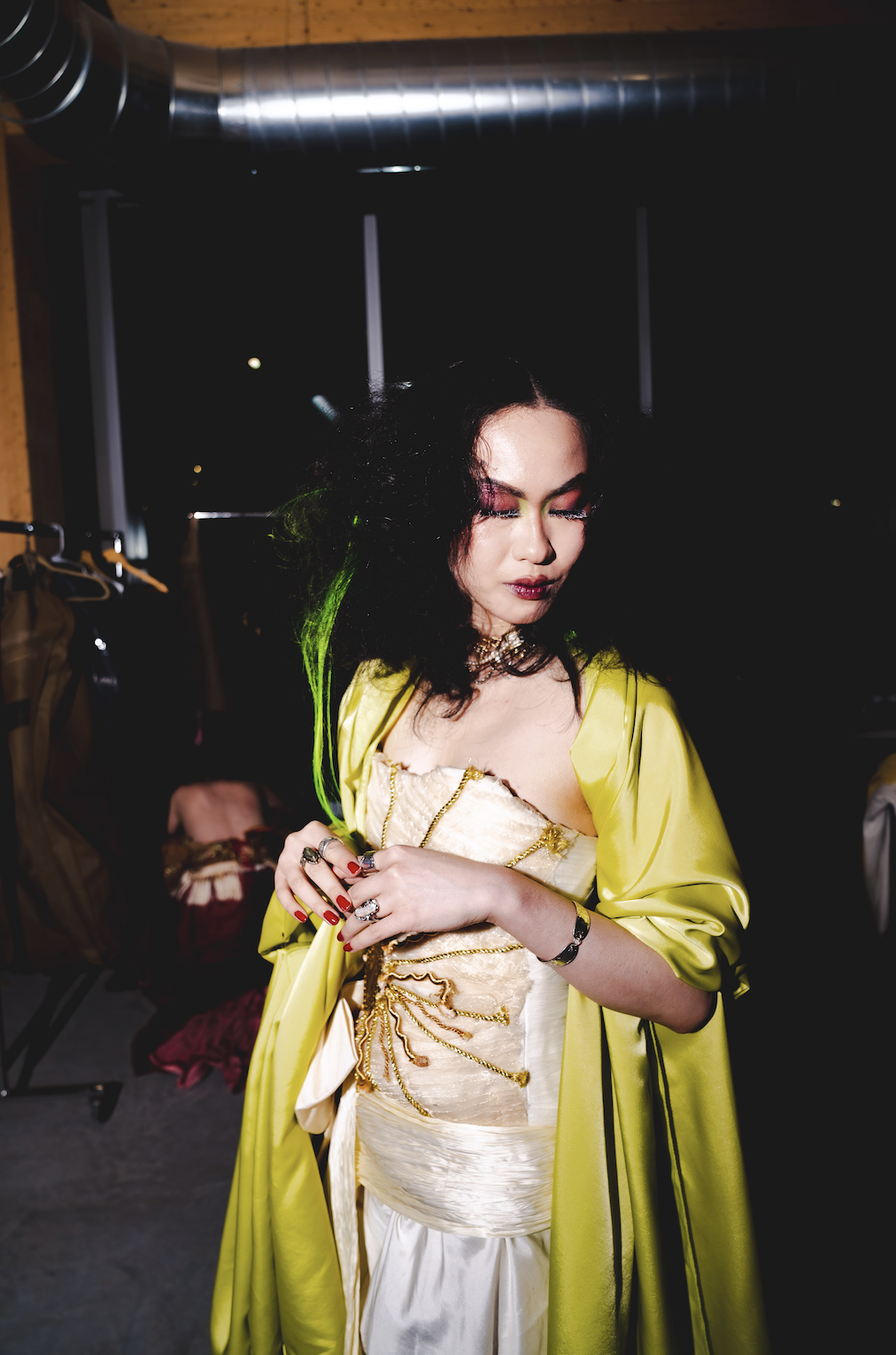
SR: The one that stands out the most is when I completed my first runway in Toronto. I got a standing ovation, and my friend started chanting my name backstage. Someone lifted me, and I was paraded around backstage. It was wild, and I felt like a celebrity. There was a moment that night when I was watching the models walk from a small screen backstage, and it was surreal. I chose music from my favorite game, Assassin’s Creed 2, and I cannot emphasize how much joy I felt when I saw my friends walk to a song that means so much to me.
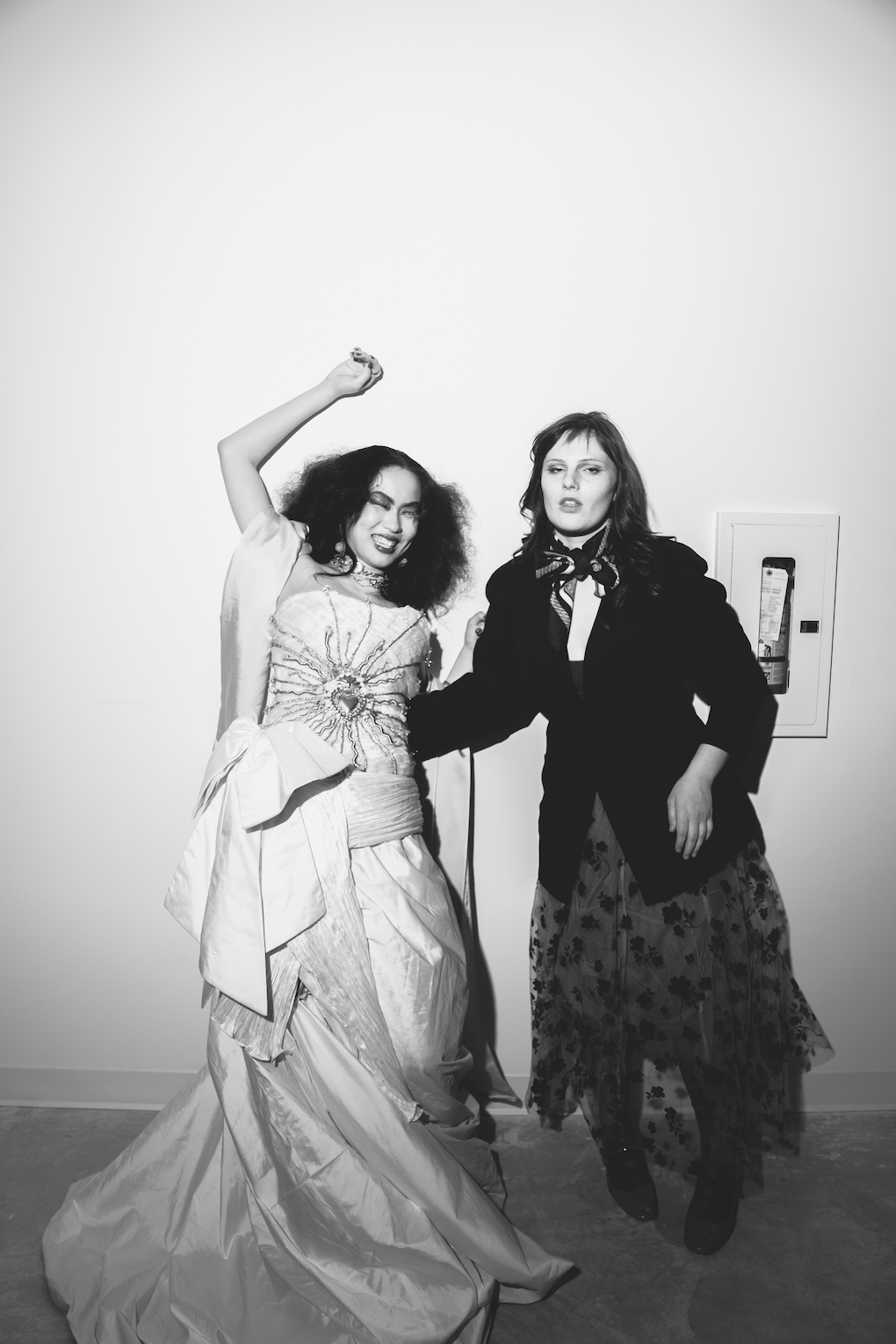
MD: That’s so beautiful.
SR: I’ve honestly had quite a few special moments. Designing has allowed me to travel to Iceland to work with some incredible local artists. I was overwhelmed with emotion and cried a lot. I met so many wonderful people who are friends to this day. To add to my amazement, the photoshoot I traveled for was published in Photo Vogue, which is ironic because at a show I did right before my trip, I told my team, “Next time I see you, I’ll be in Vogue!” That’s the power of verbal affirmation. During this same trip, I went to France. While photographing my dress, a sweet girl from Germany recognized me and shared that she loved my art. I loved this cross-cultural moment. There are also other micro moments, such as working with dancers from the National Ballet of Canada, and being followed by icons such as Guillaume Côté and Genesis Webb.
MD: How did you come across the Elton John AIDS Foundation Style Icon competition? Did someone send the application to you, or was this something you had your eye on?
SR: I got an ad for it on my For You page. I applied in the late summer..? I’m not sure how they curated their selection, but it seemed open to anyone who was interested!
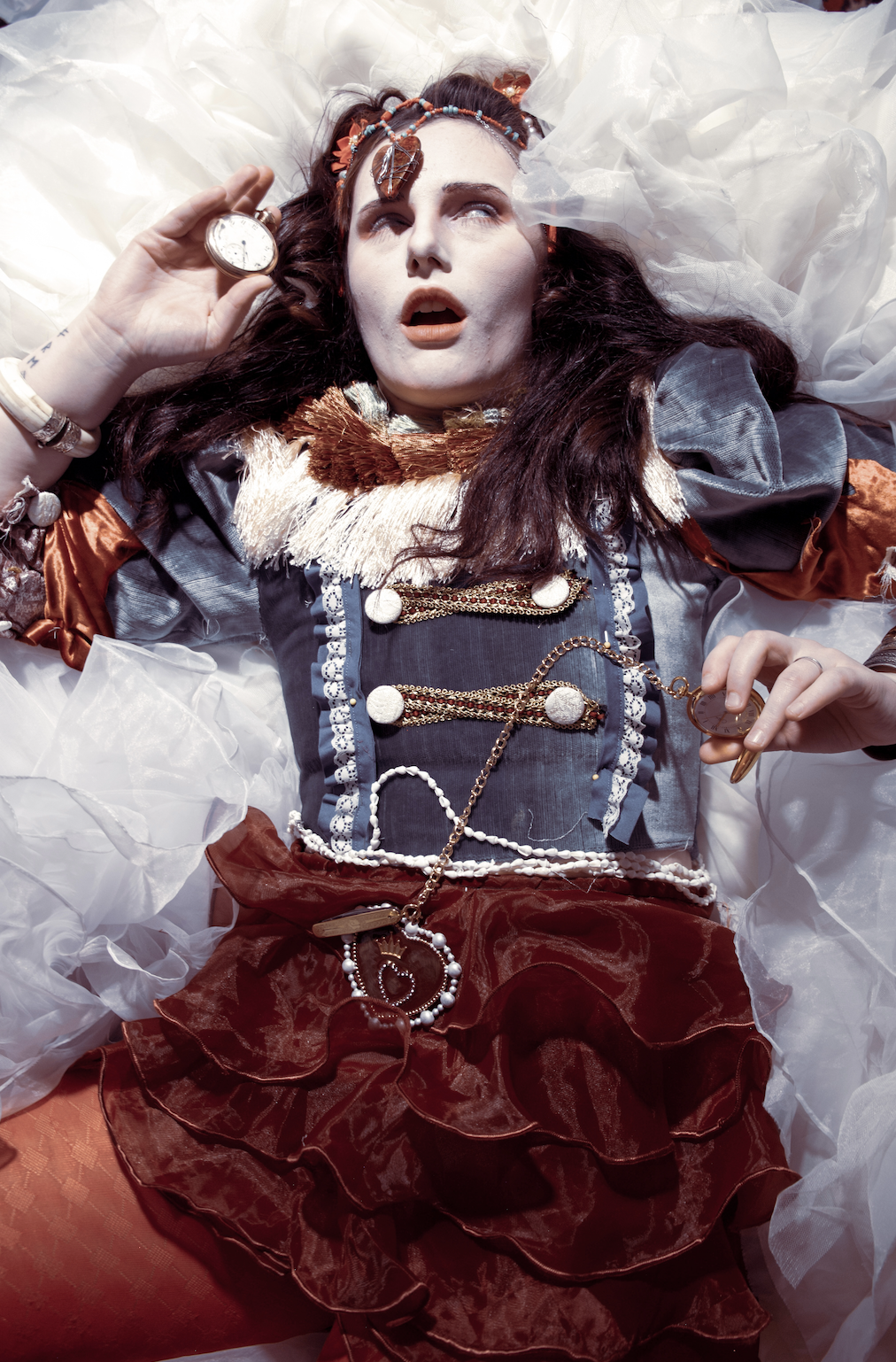
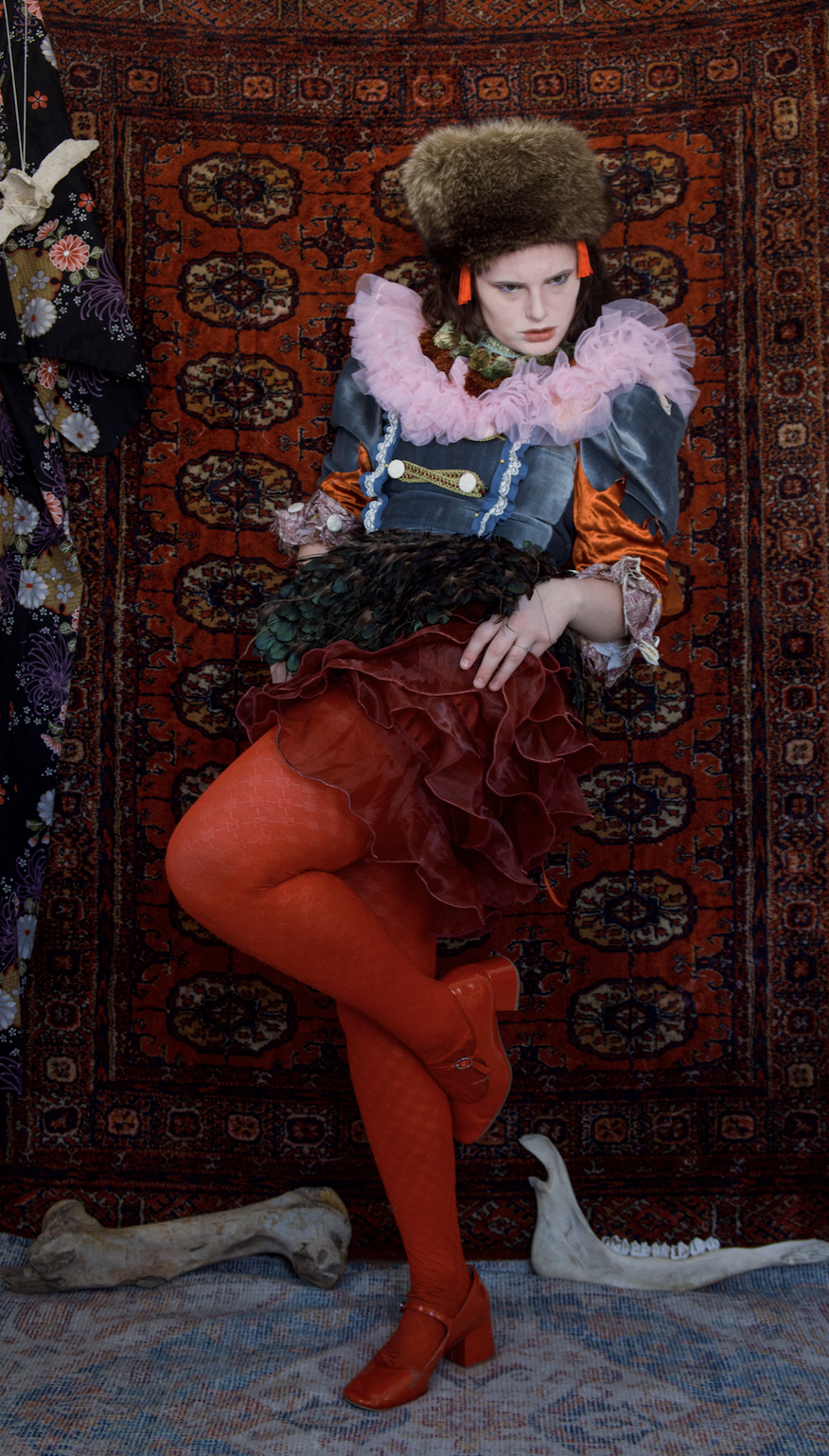
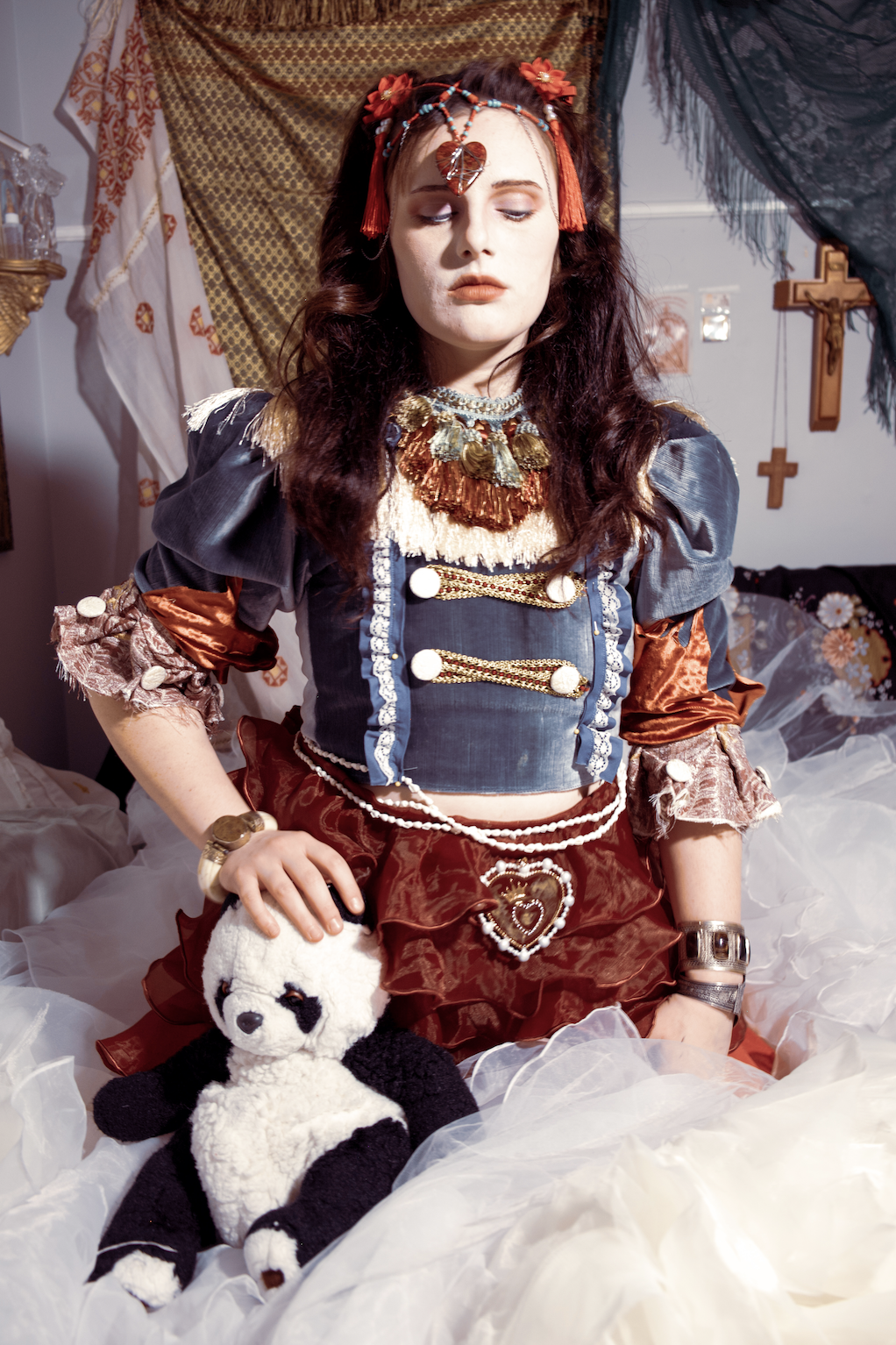
MD: The grand prize for this competition is $20,000, an exclusive feature in Flaunt Magazine, and the opportunity to attend Versace’s Show at Milan Fashion Week in 2026. What would winning mean to you?
SR: I currently work 3 jobs. I am trying to build this brand from the ground up, and it’s certainly a lot of work. I am tired! I have reservations about depending on a game of chance such as this, but the opportunity is enough to keep me going. When I feel the pressure piling up, I simply have to keep going. I think of the emails from students and upcoming artists who share how my work has inspired them. $20,000 is a good amount of money in Canada, and it will be enough to pay off my student loans. If I win…well, I’m not sure. I think I will have to cross that bridge when I get there.
MD: Lastly, as a candidate running for Style Icon, what does your personal style mean to you?
SR: I save my creative expression for the runway.
Photos by @koko_king_photo, @_elizabethcouture, @jessbyrnephoto, @cestlevi__, & @_kimiakordestani
