FACES 2 WATCH: SOPHIA SAMIKA TECH FROM SAMIKA STUDIOS
Featuring Sophia of Samika Studios, Interview by Maya Davila
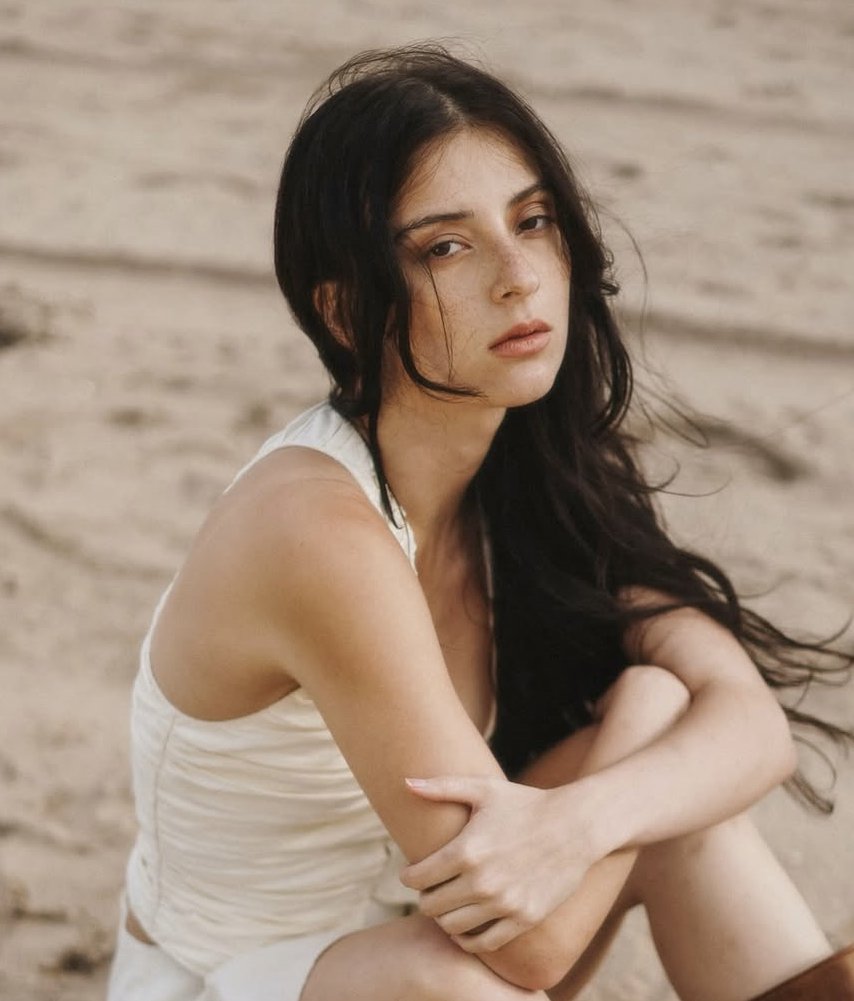
Sophia Samika Tech, 23, turned her senior thesis into something much bigger: Samika Studios, a Brooklyn-based label that explores her family, identity, and the immigrant experience through contemporary streetwear. Originally from San Diego and an FIT graduate, she draws inspiration from her Cambodian heritage, creating pieces that reflect the cultural intersections that have shaped her. We caught up with Sophia to discuss the personal story behind her label, finding community in NYC, and using fashion as a means to make people feel seen.
Maya Davila: Every designer has their origin story. What was it that first made you fall in love with fashion?
Sophia Samika Tech: Fashion has always been a part of my life; it’s something I’ve always been opinionated on. I actually grew up dancing competitively, so incorporating movement from the costumes into the music and fashion definitely impacted me.
MD: When did you first start making clothes?
ST: I had always drawn and had binders full of my designs, but I started when I was 18. I was initially hesitant about going to a design school because although I was passionate about it, I wasn’t sure if it was what I wanted to do with my life.
MD: Tell us about your journey to FIT and coming to New York City.
ST: To be honest, coming to FIT was never really part of my plan. I was attending a traditional four-year university in Texas and intended to finish my degree there. I decided to apply to FIT on a whim, mostly because I was curious about it. I remember flying to New York with my dad for student orientation just two weeks before my finals. We were there for just a day, and I had only been to New York once before when I was really young.
At the time, I didn’t realize my parents were a bit hesitant about me leaving my school in Texas. I remember sitting at the airport getting ready to fly back to take my finals, still completely unsure about whether I should transfer. Then my dad called me and told me how blown away he was by FIT, and straight up said that it would be stupid not to go if it was what I wanted to do [laughs].
Coming here completely changed the trajectory of my life for the better. I truly have so many incredible people in my life because of it. I owe so much of this life to my family; their support and love make what I do possible.
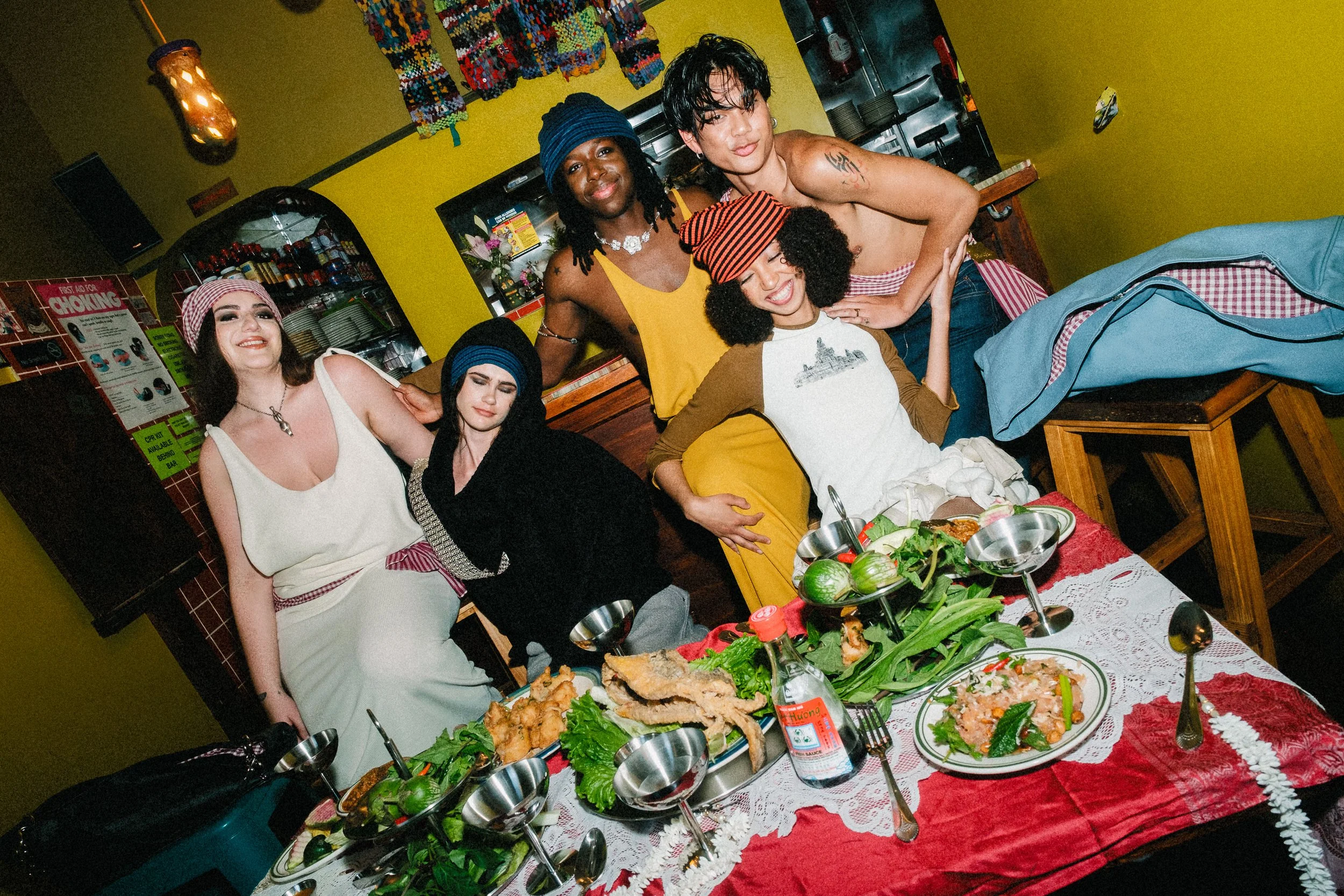
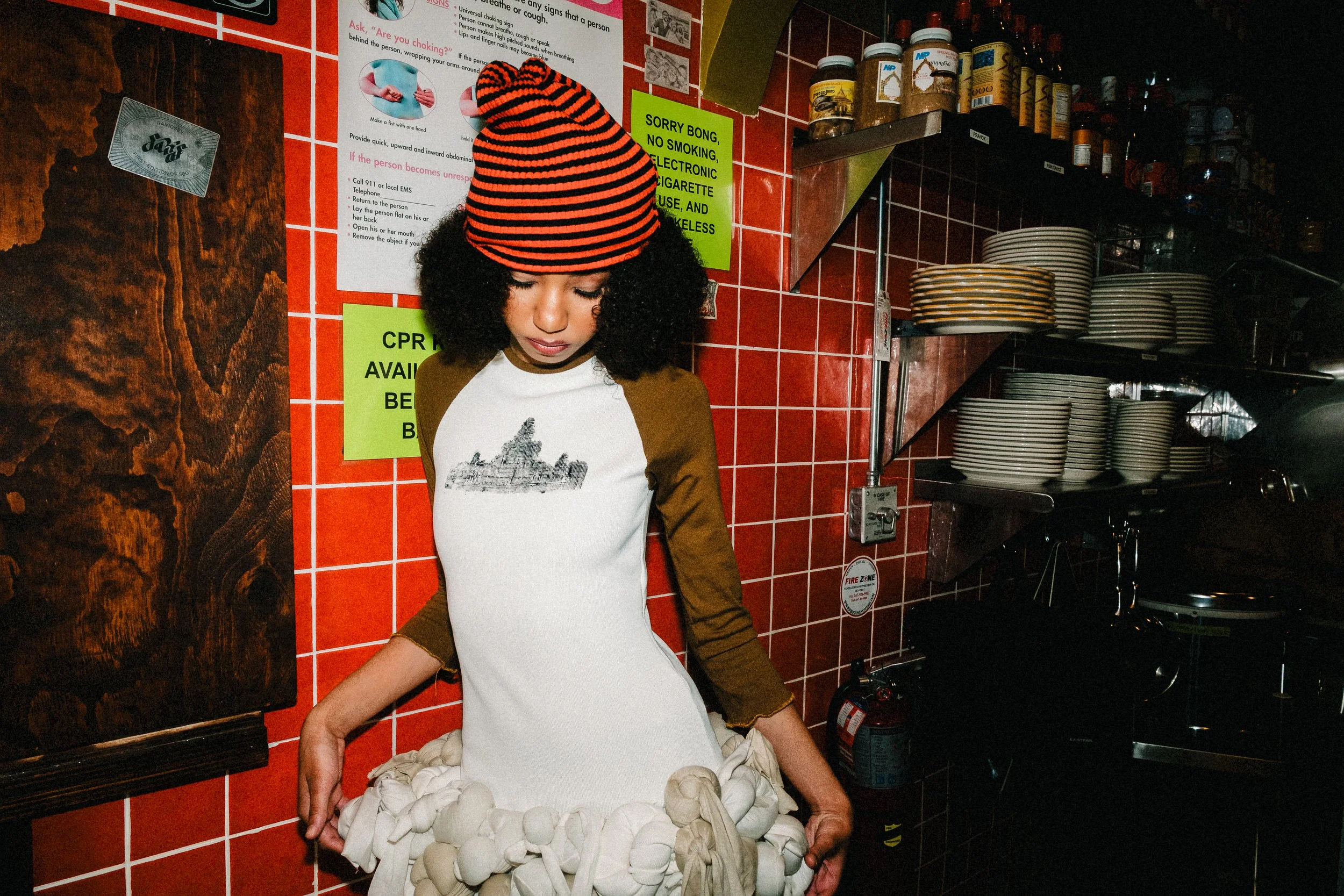
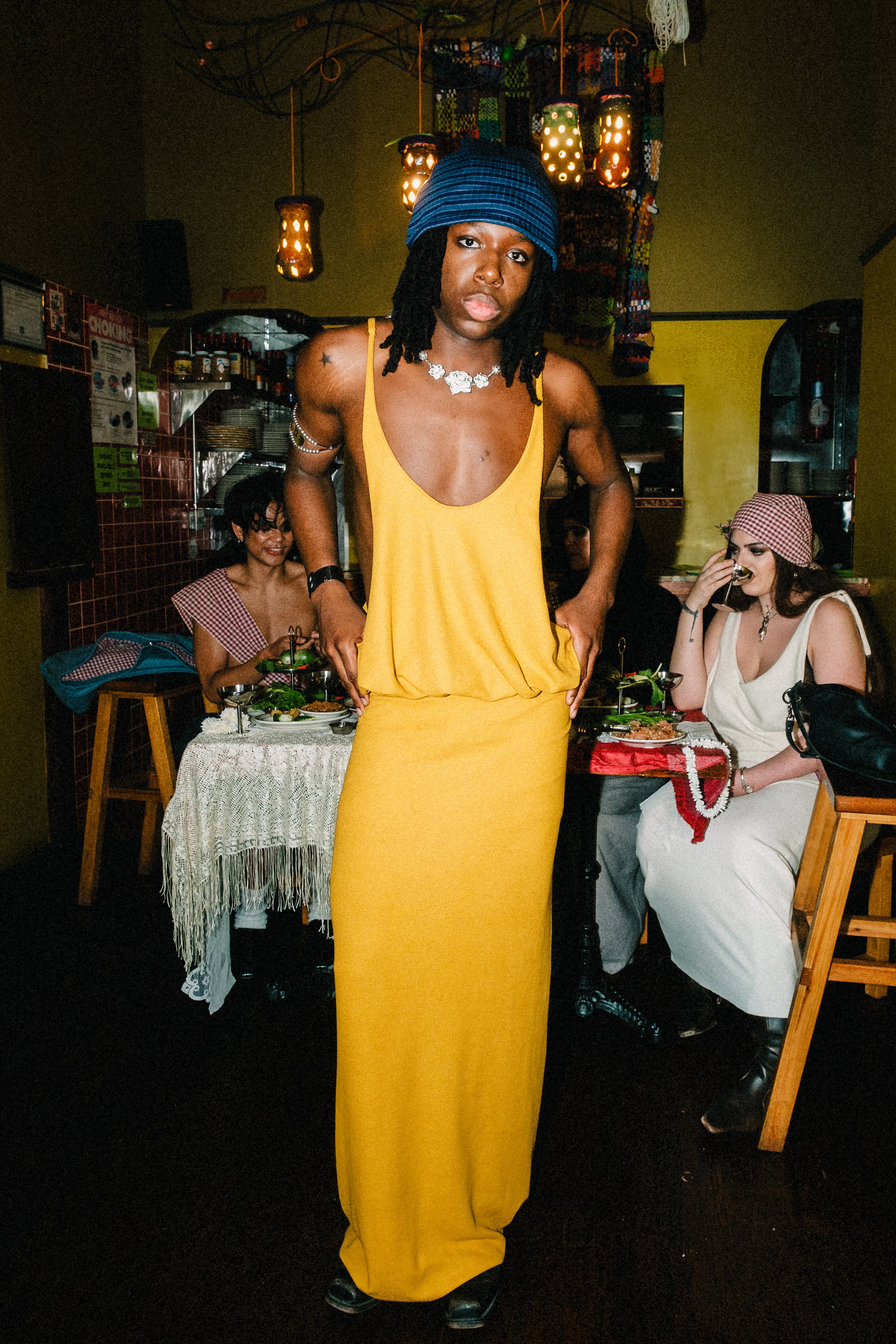
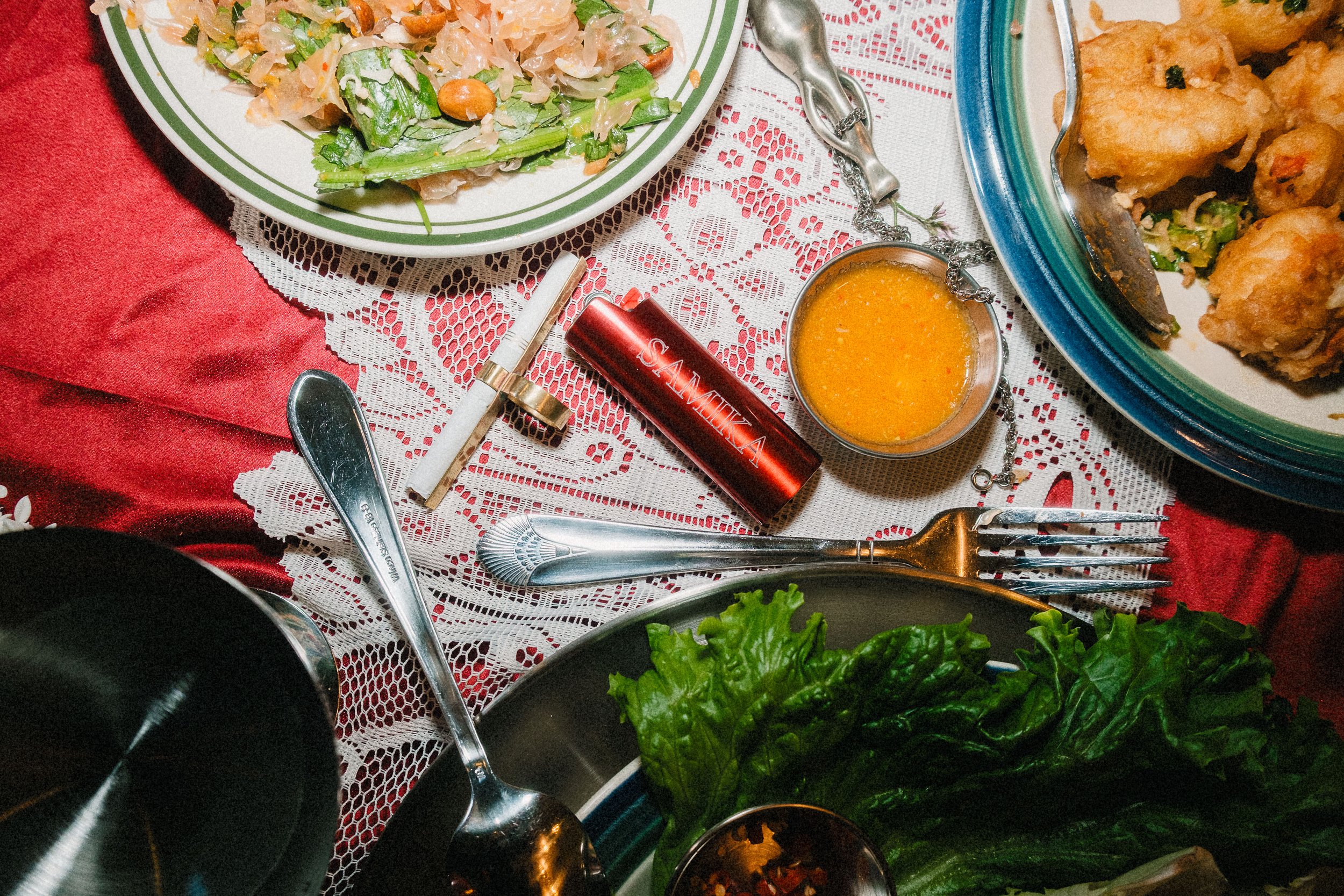
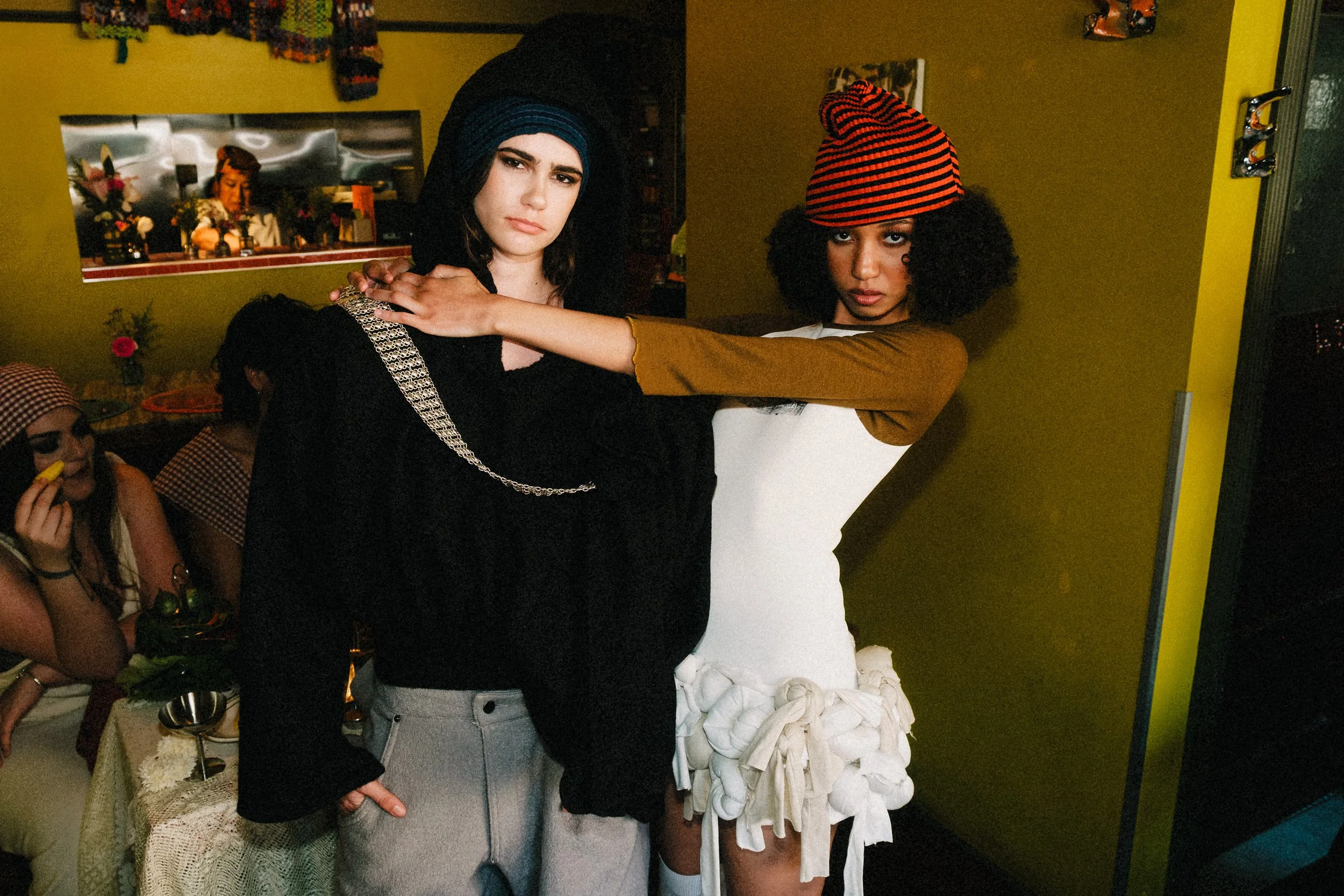
Location: @bongnyc, Creative Director/Designer: @samikastudios/@sophia.tech, Creative Producer: @angelinaheng, Photographer: @vinnysees, Film and Assist: @cameronirish, Styling: @paullinedp, Talent: @mayacavounis, @katiemosess, @t1chii, @juanmiguelvstheworld, @nymali.sophia, Makeup: @thequeenbxo, @makeupbyjuliapierce, Hair: @katiemalynhair
MD: Was there a defining moment during your time at FIT that changed how you approached designing?
ST: Being a part of the one-year associate’s program was really formative. It’s where I met some of my closest friends; I actually ended up doing a runway show with them earlier this year called ‘The Debut.’ I don’t think there was one moment that changed everything, but when I began developing my thesis concept—which eventually transformed into my brand—I knew I wanted it to hold personal meaning.
I’d always felt a bit disconnected from my Cambodian heritage, so I took this as an opportunity to reflect my family’s culture and tenacity while also reflecting on what it’s like being biracial. I’d always loved streetwear, so I wanted to combine the beauty of my culture while showcasing an often overlooked community. My designs feel much more personal now, and seeing other people connect with what I’m sharing in their own way has been incredibly emotional and rewarding.
MD: What’s something you’ve learned about building a brand? What emotions or conversations do you hope people have when they wear and see one of your pieces?
ST: People want to connect with what they are purchasing and feel part of a community that is bigger than themselves. I hope they see themselves in my work, and feel that it reflects something from their own lives and experiences. As proud as I am of my work on a personal level, there’s nothing like seeing someone connect with it in their own way. I hope my pieces can become part of their daily rituals and reflect the tenacity of immigrant communities…and the beauty that comes from different cultures coming together.
It’s been especially meaningful to have people across generations relate with my work. I showed my grandparents my designs, as well as one of my best friend’s parents—who are also Cambodian—and seeing them resonate with this representation meant a lot.
MD: When did you realize your thesis could become something bigger?
ST: As I continued with the design process, the more excited I became about the concept!
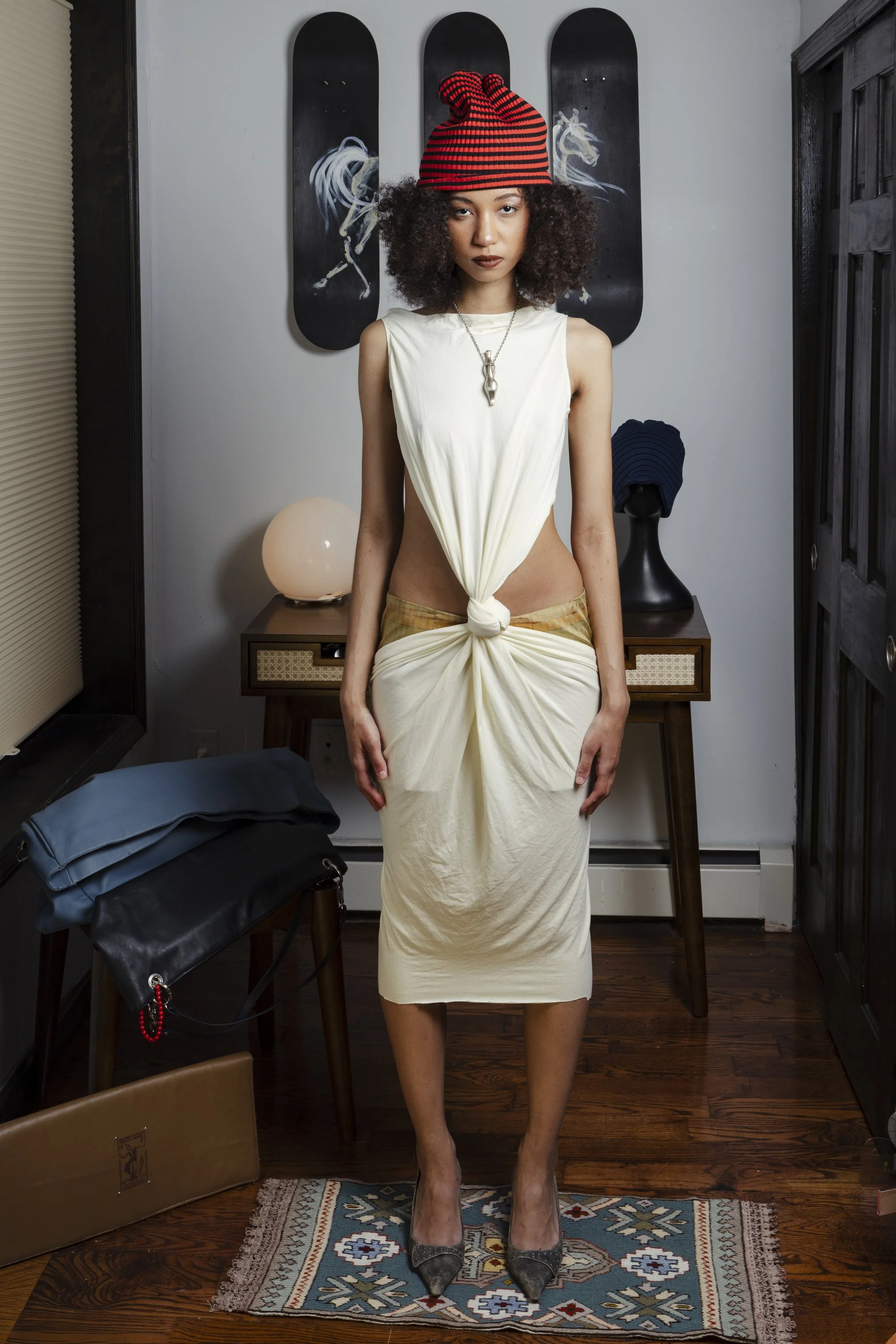
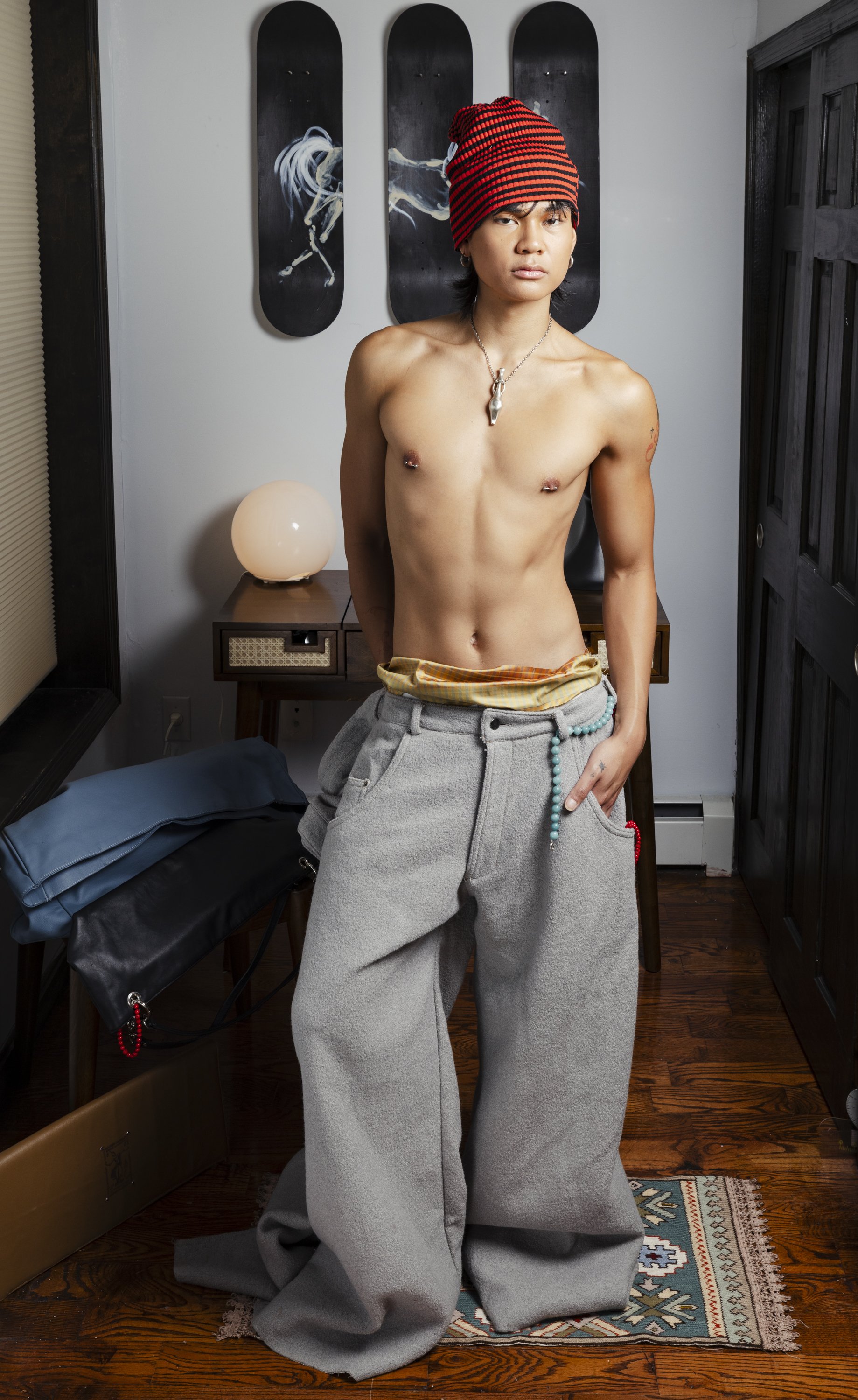
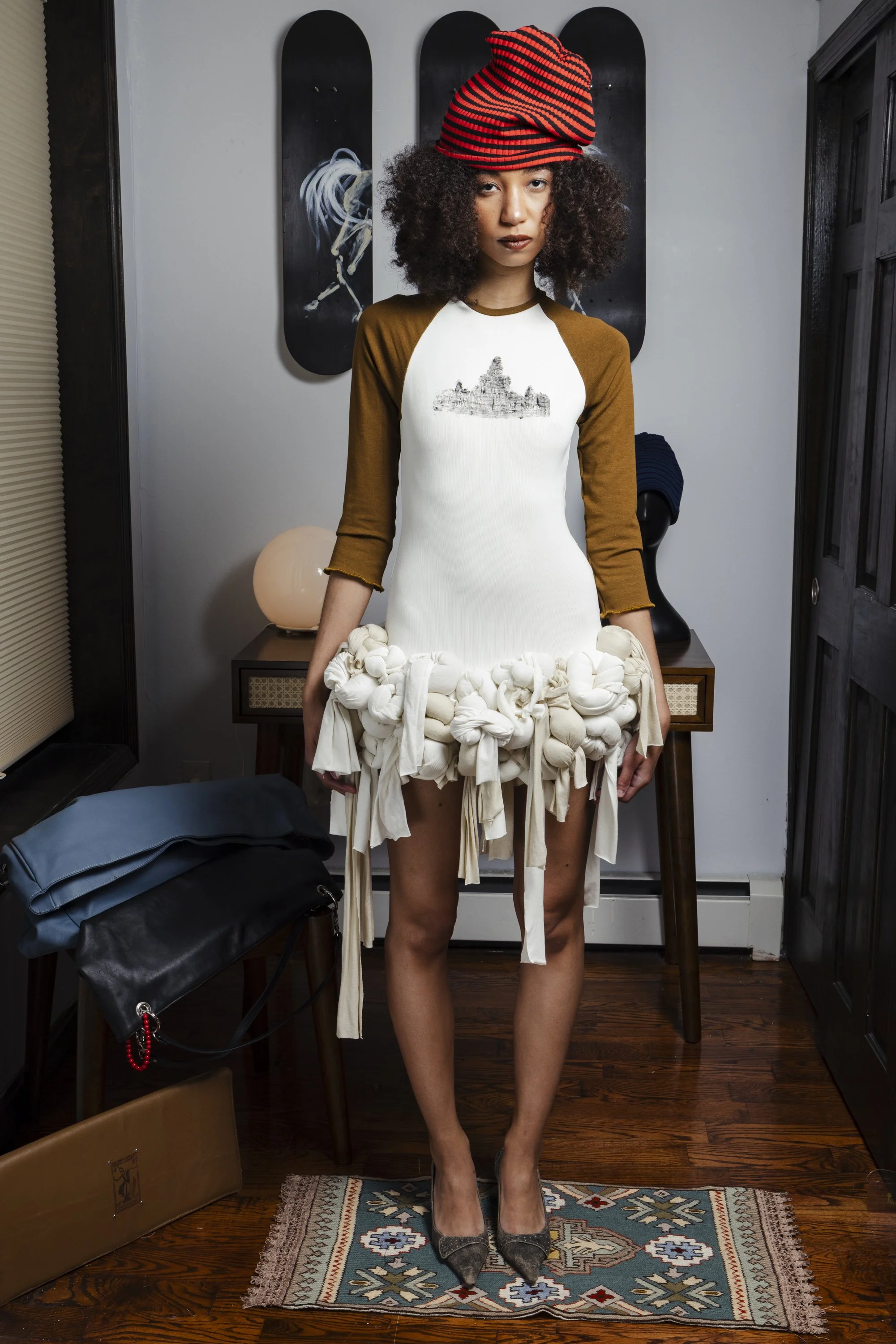
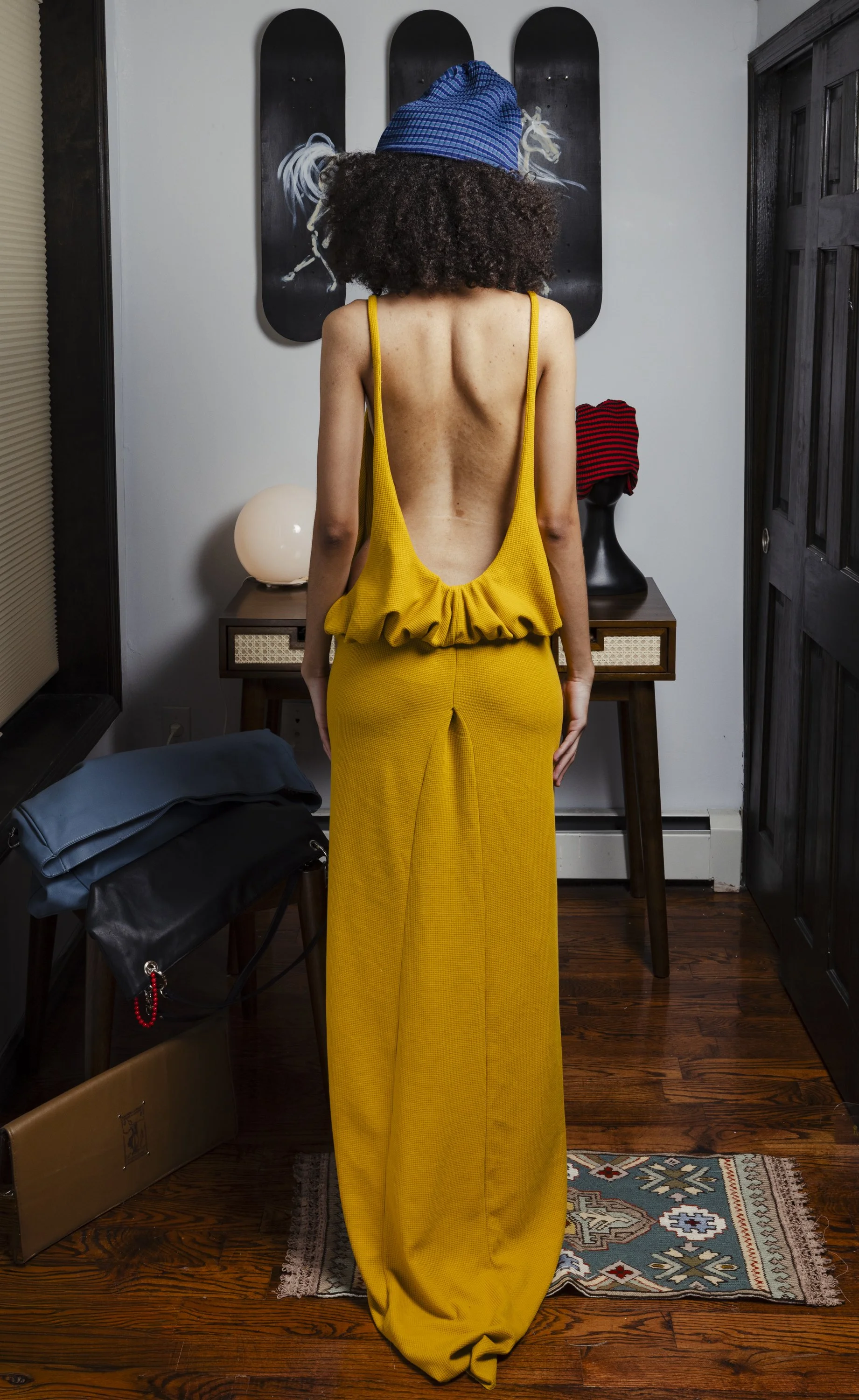
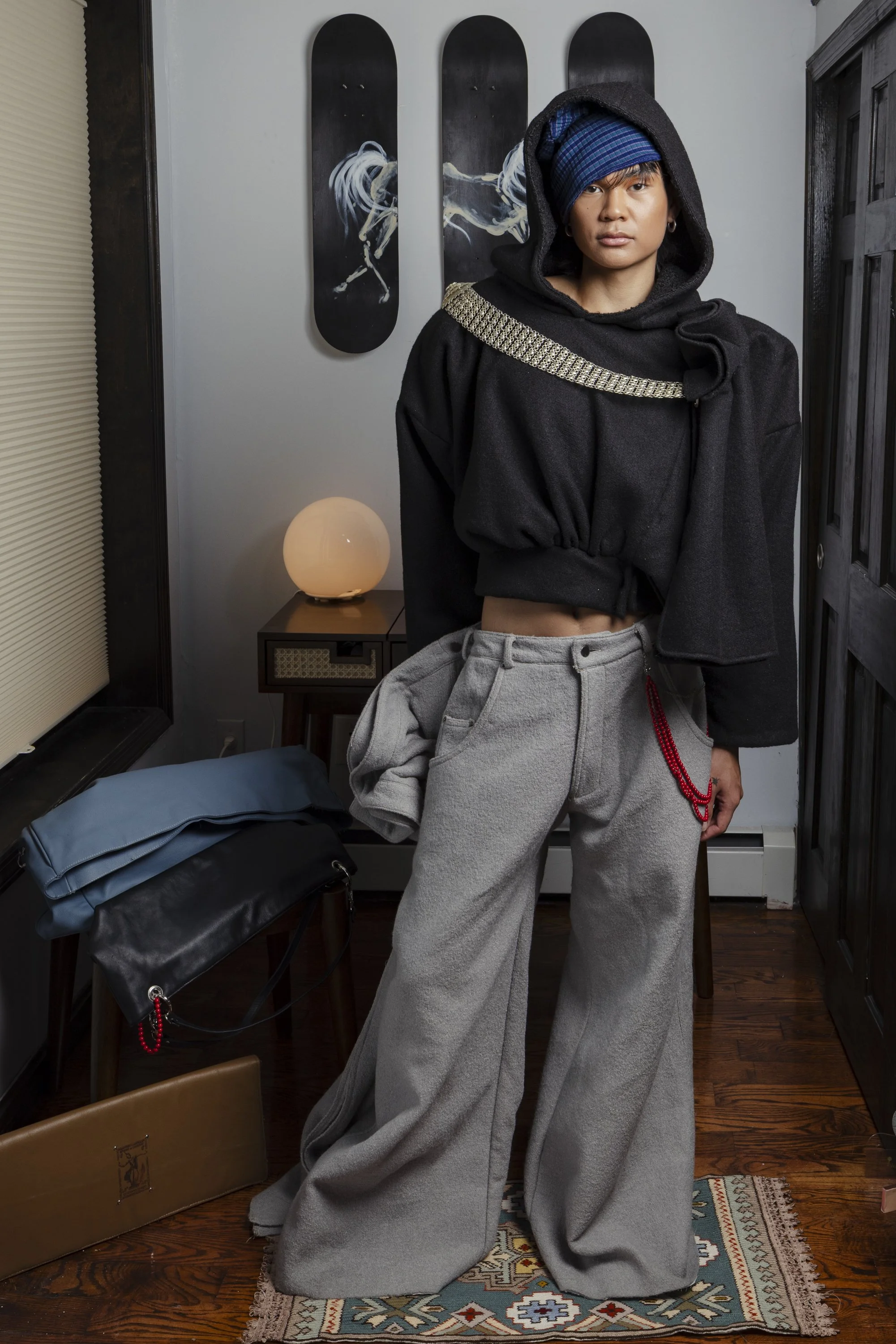
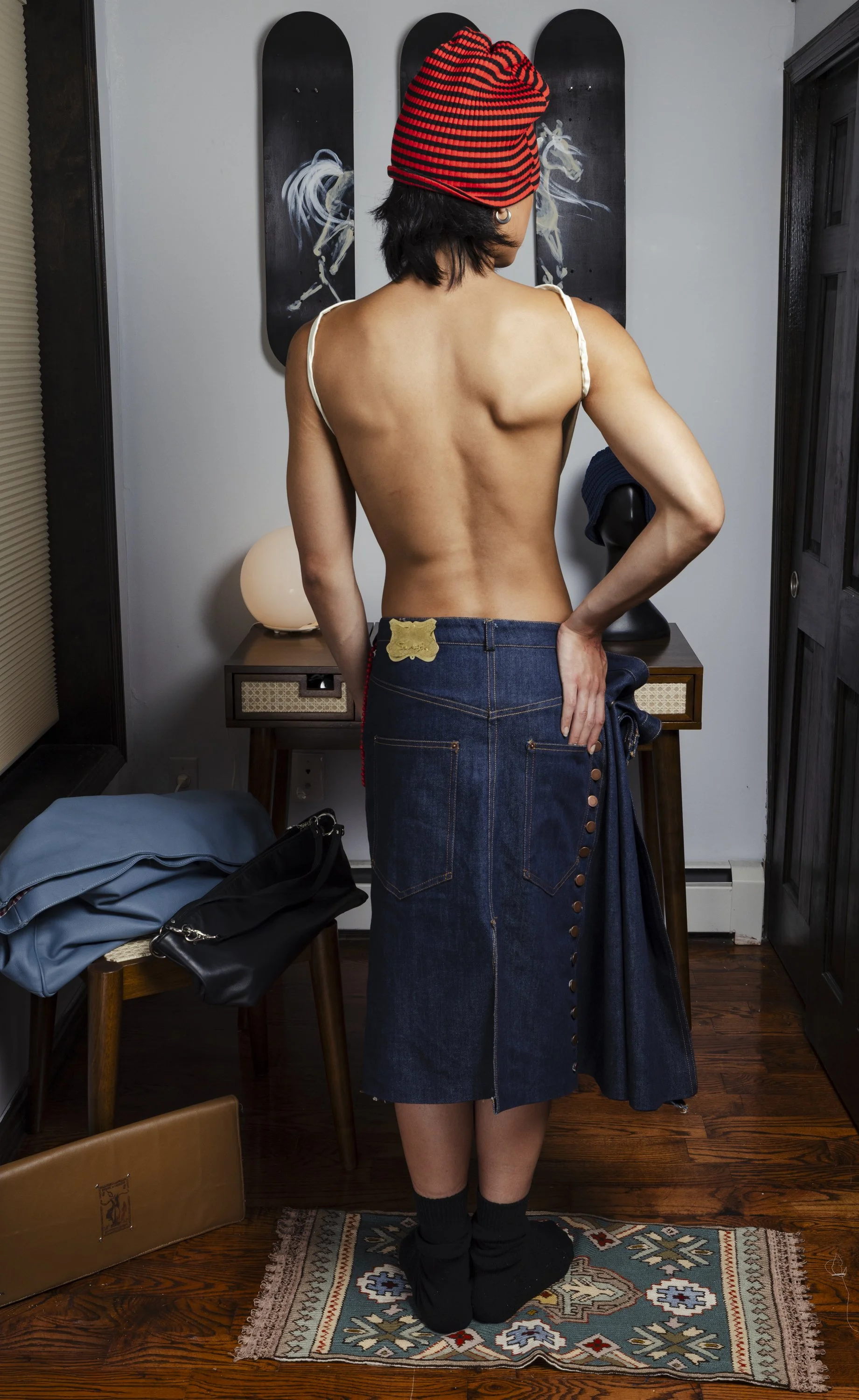
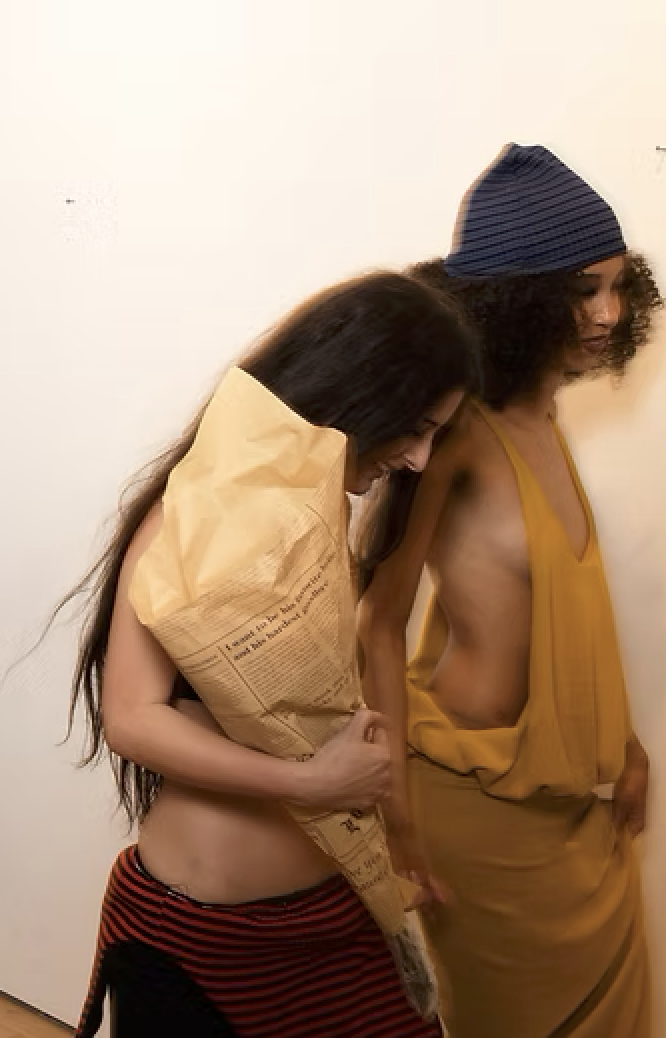
Creative Director/Designer: @samikastudios/@sophia.tech, Photographer: @_anxphotography_, @midgy_likes_drone_music, Hair/Makeup: @thequeenbxo, Talent: @juanmiguelvstheworld, @nymali.sophia
MD: I’d love to know how you came up with the name Samika Studios.
ST: Samika is my middle name, and I was given it after my Yeay Tout, my great-grandmother. Her name was Samik, and my parents decided to add an ‘a’ to it. I feel it’s symbolic of how my brand showcases the blend of my two cultures; Samika Studios is an homage to my family. I struggled with coming up with a name for the longest time. I knew I didn’t want it to be my full name because I wanted it to be a bit detached from me as a person, but still recognizable enough for those interested in my work.
MD: Has creating your brand changed your relationship with your own identity?
ST: Completely. I was introduced to the small but mighty Khmer [Cambodian] community here in New York, which has been so welcoming and supportive. There are so many talented Khmer people, from creators to chefs to artists. One of my best friends, Angelina Heng, whom I met at FIT, also happened to be Cambodian. She has been so supportive, not only as one of my closest friends but as a creative confidant and collaborator. My brand has really pushed me to be more active in my community. I have been incredibly lucky, though, that everyone is so kind, welcoming, and open to sharing their experiences. I definitely feel much more connected to my culture. I don’t think that Samika Studios is meant to reinvent the beauty that already exists. It’s my interpretation and experience of it, brought into a contemporary context that I hope to share with others.
MD: You bring together traditional American fabrics with Khmer textiles. What does that juxtaposition allow you to say through your clothes?
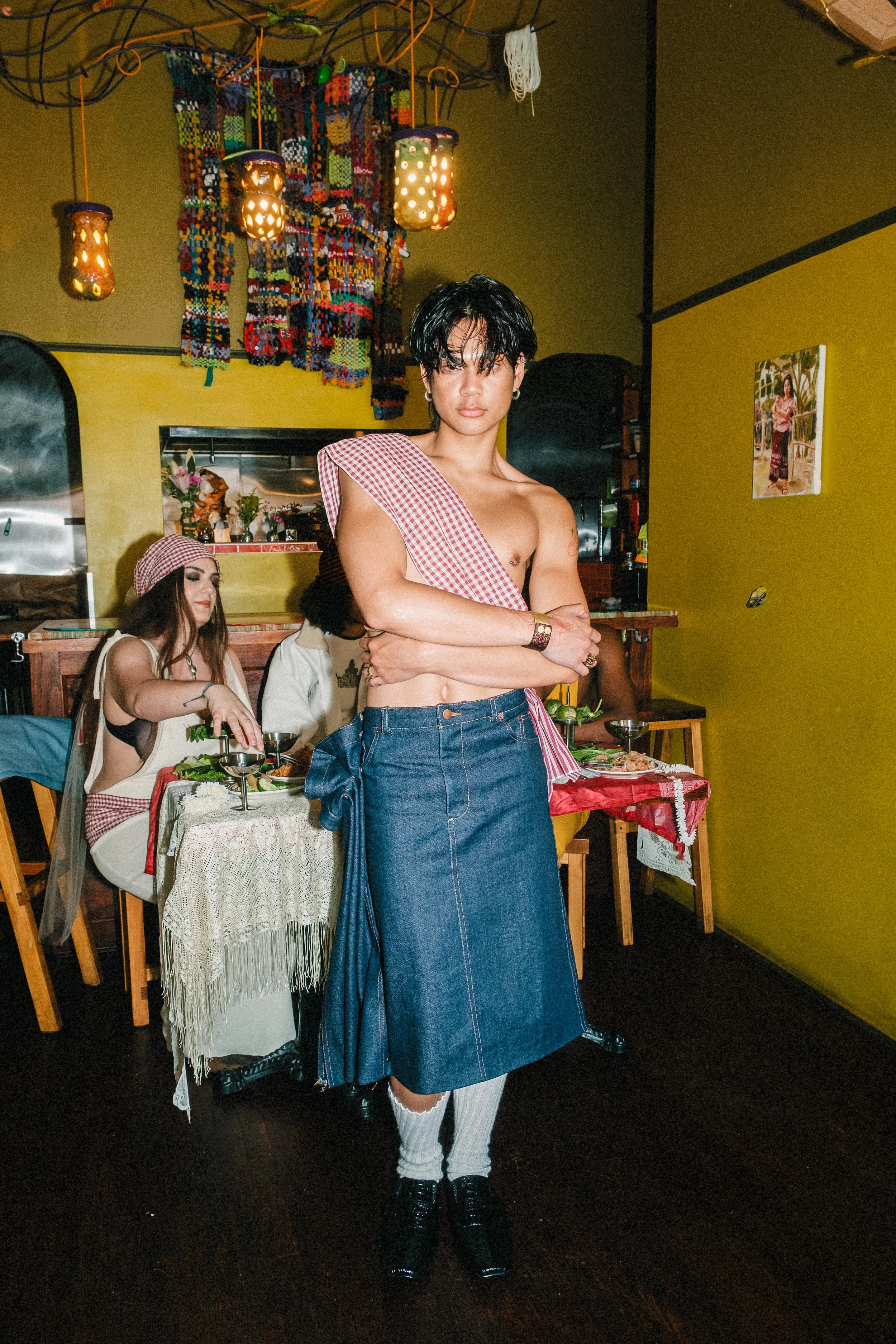
ST: Fabrics are a huge part of how I communicate my designs. I use traditional American fabrics like denim, cotton jerseys, or waffle knits alongside traditional Khmer textiles. The combination blends silhouettes and styles that marriage my two cultures. I have a denim skirt that has a pleated feature inspired by Cambodian Apsara dancers.
MD: What’s one dream project on your vision board?
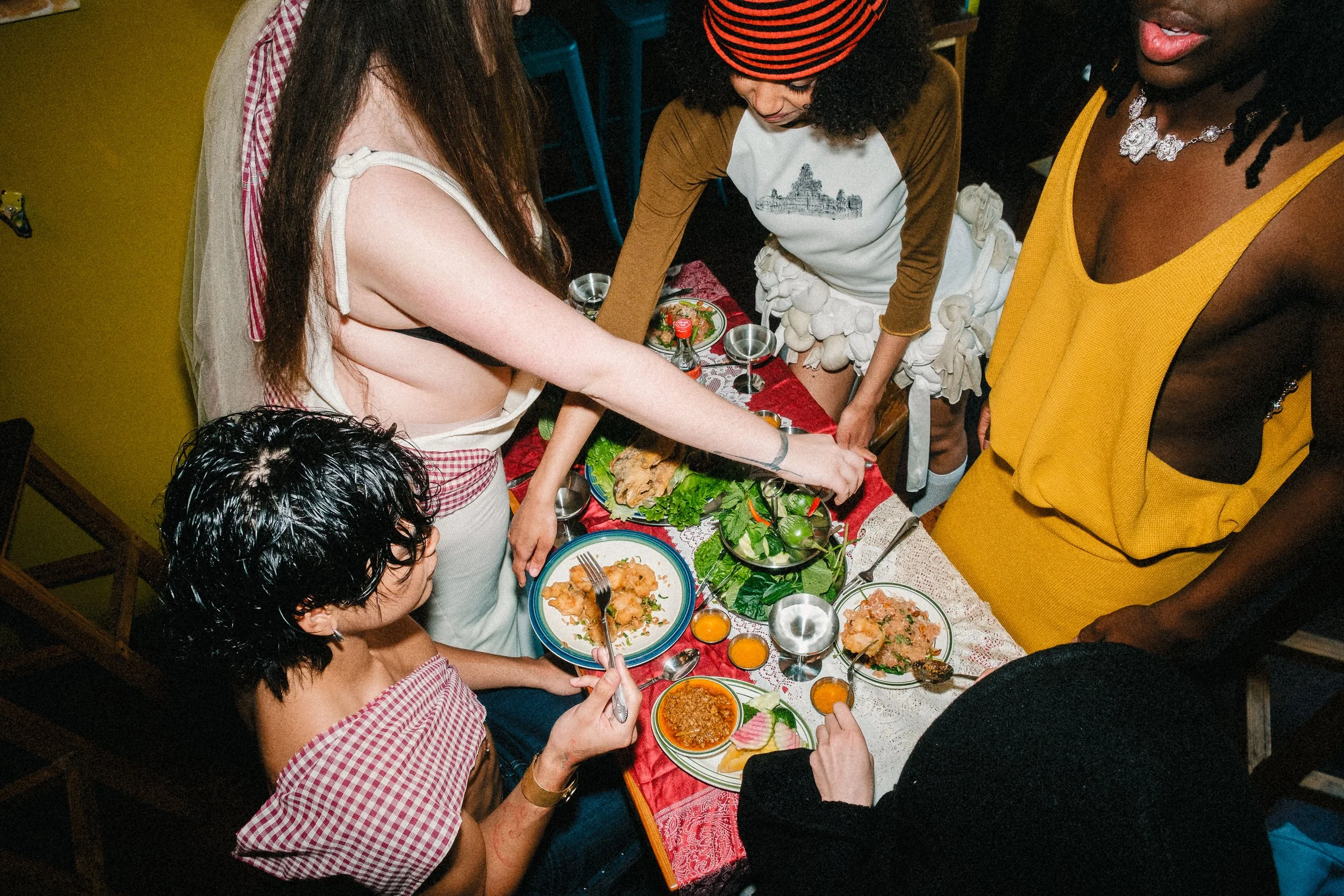
ST: I’d say creating a cinematic campaign for my brand. Rather than a traditional fashion film where the clothing is the focus, I want to create a series of interconnected stories that follow different people through their everyday rituals…sharing meals with family, creating art, commuting through the city, or gathering with friends. Each character would wear a SAMIKA piece styled in their own way, showing how the clothing naturally becomes part of their lives rather than defining them.
The project is really about documenting the community. I’d want to show how culture is preserved through the small moments we often overlook through the food, music, conversation, creativity, and relationships we build. Fashion is the thread that connects those stories, to show that clothing can become part of a larger story about identity and a sense of belonging.
MD: What’s something you’ve refused to compromise on, even when it would’ve made things easier?
ST: The authenticity of SAMIKA’s story and the way it’s shared. It would be much easier to market the brand as another streetwear label or to lean into trends that get quick attention. Instead, I’ve chosen to build it around my Cambodian heritage and the broader immigrant experience. I don’t want people to only connect with SAMIKA simply because it’s trending; I want them to understand why it exists and to feel like they’re part of something meaningful.
There is such an oversaturation in the market, and although there is such beauty in the accessibility social media has, it’s also a double-edged sword since there is so much to look at. The core of my brand celebrates community, and that’ll never get old.
MD: Have there been moments where you questioned your vision?
ST: Oh, 100%. I go through moments where I think something is horrific and then two hours later, I think it’s great [laughs]. There’s always an ugly stage with creating; you just have to take a step back, then push through it.
MD: Where do you hope to see yourself and your brand a year from now? How about five years from now?
ST: My dream is to have a brick-and-mortar storefront that’s an immersive space where people can enjoy various art forms. I hope to be in a position where I can give back further to my community and really celebrate how central they are to everything that makes Samika Studios special.
MD: Looking back, what do you think your younger self would feel about the artist you’ve become today?
ST: I think she would be extremely proud and excited. Pursuing this dream is something that I have always been patient with yet a bit intimidated by, so I’d like to think she would be really impressed with who we’ve become.
Brand Site: https://samikastudios.com/
Brand IG: https://www.instagram.com/samikastudios/
Personal Site: https://www.sophiasamikatech.com/
