FACES 2 WATCH: SHIHORI KOMURO
Interview by Maya Davila
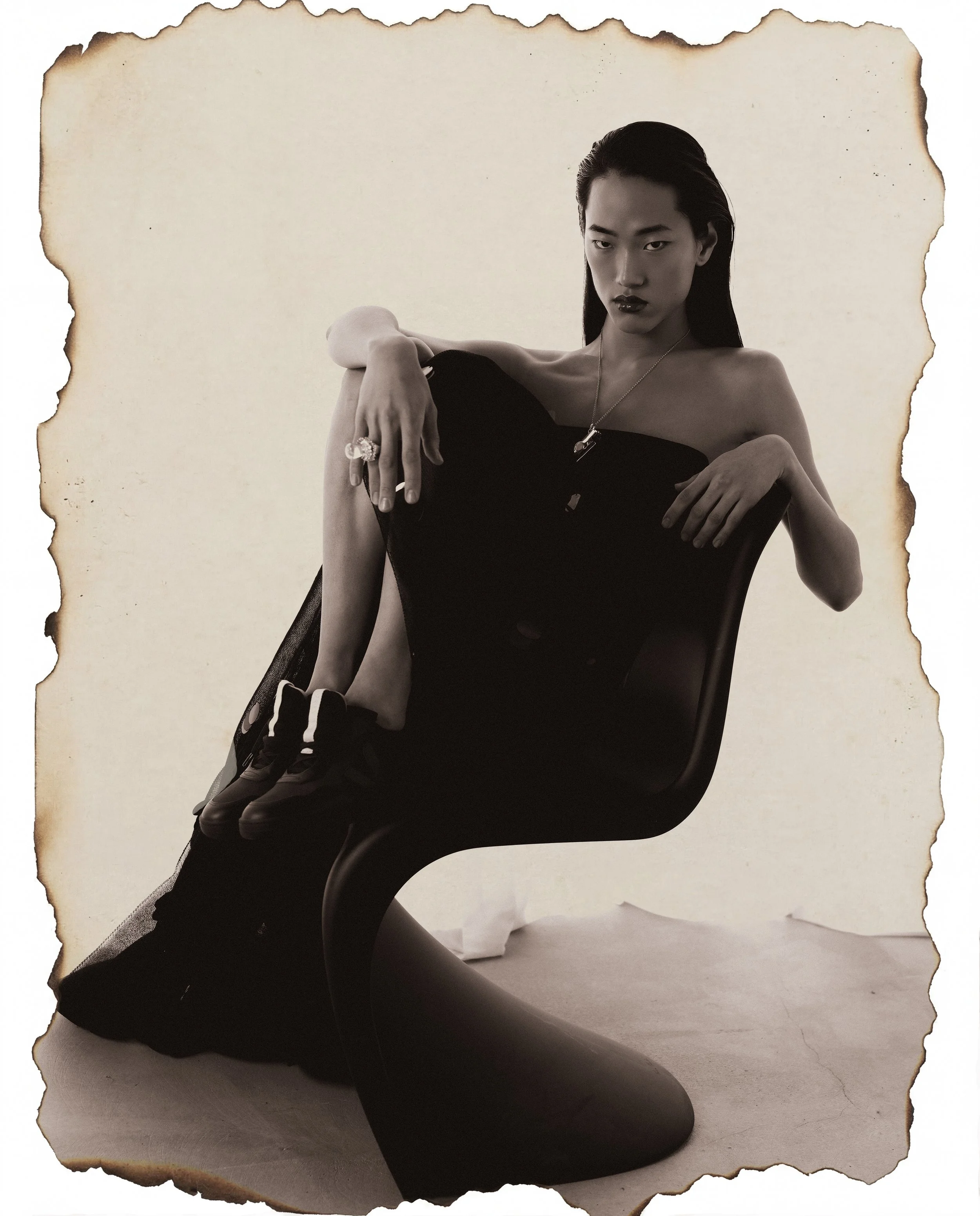
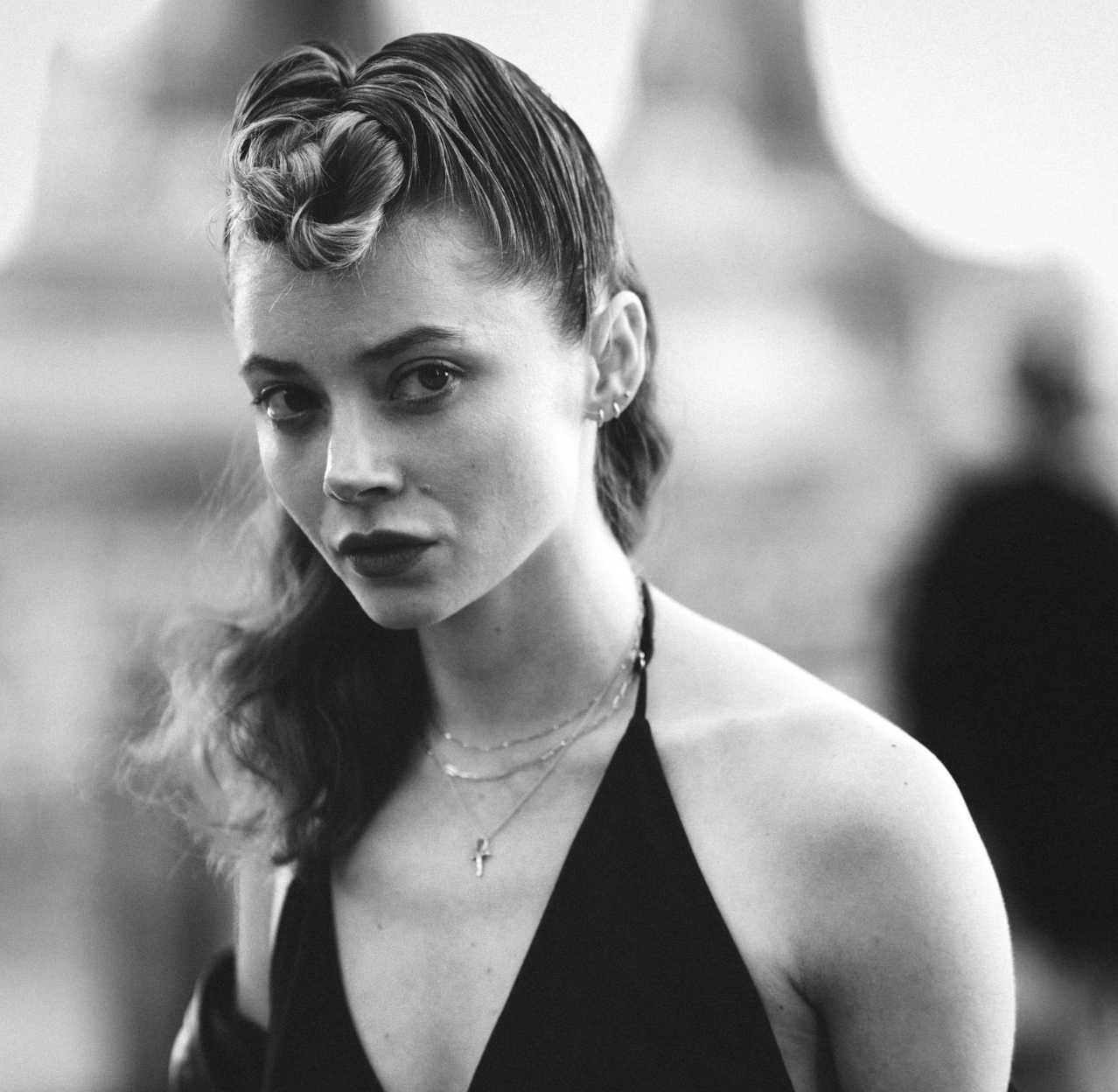
Left image of Parker Foubert, Shot by Lavina Solo
Shihori Komuro, 38, is a Japanese hair artist based in New York. Raised in Saitama, Japan, she spent over a decade as a hairdresser in Tokyo before transitioning into editorial hairstyling. Inspired by traditional Japanese updos and the personalities of the models she works with, Komuro approaches each look as an opportunity to create a new character. From fashion editorials to unconventional silhouettes, she’s drawn to the fleeting nature of her craft, finding beauty in both the creation and destruction of what she creates. We caught up with Komuro to discuss her creative evolution, the influence of Japanese beauty, and the freedom that comes with never stopping learning.
Maya Davila: Every artist has their origin story. What first drew you to hair, and what made you want to pursue it professionally?
Shihori Komuro: I looked up to Japanese girl groups when I was ten. One of the members of SPEED changed her look to very short hair; I thought it was super cute. I was shocked that a hairstyle can change your impression of someone! Of course, I copied her hairstyle, and that was when I decided I wanted to become a hair stylist.
MD: You spent more than a decade working as a hairdresser in Tokyo before moving to New York. What did those years teach you about hair, the beauty industry, and working with people?
SK: It was a really hard period while I was a trainee in Japan. It is known to be a very disciplined industry. I would have to practice in the salon before it opened, and would stay long after it closed, right up until the last train. On my day off, I had to find models: one for a haircut and one for a photo shoot. Social networking sites were so new and not really a reliable platform for this. So, I would randomly ask people walking on the street. It took some time, and I was mostly rejected. It was really hard, but now I can overcome anything challenging compared to when I was a trainee. Now I thank the experience.
MD: Was there a particular moment when you felt yourself moving from thinking of hair as a service to thinking of it as an artistic medium?
SK: I don’t think there was a particular moment, but rather more of a gradual shift. Before, I wanted to create everything beautifully and clearly. After I moved to New York, I felt drawn toward imperfection.
MD: How would you describe your approach today? What are you thinking about when you begin creating a look?
SK: I think of making each model a character. Normally I get hair references that give me direction. After I meet a model, I get a feel for each personality, and transform them with my hair direction. So this lady likes reading books; I’d imagine her with wavy hair that’s held up with a clip so it’s out of the way when she’s reading. And if a guy is a computer geek, he’d have messy hair with a dry texture because he wouldn’t put much effort into his look…something like that.
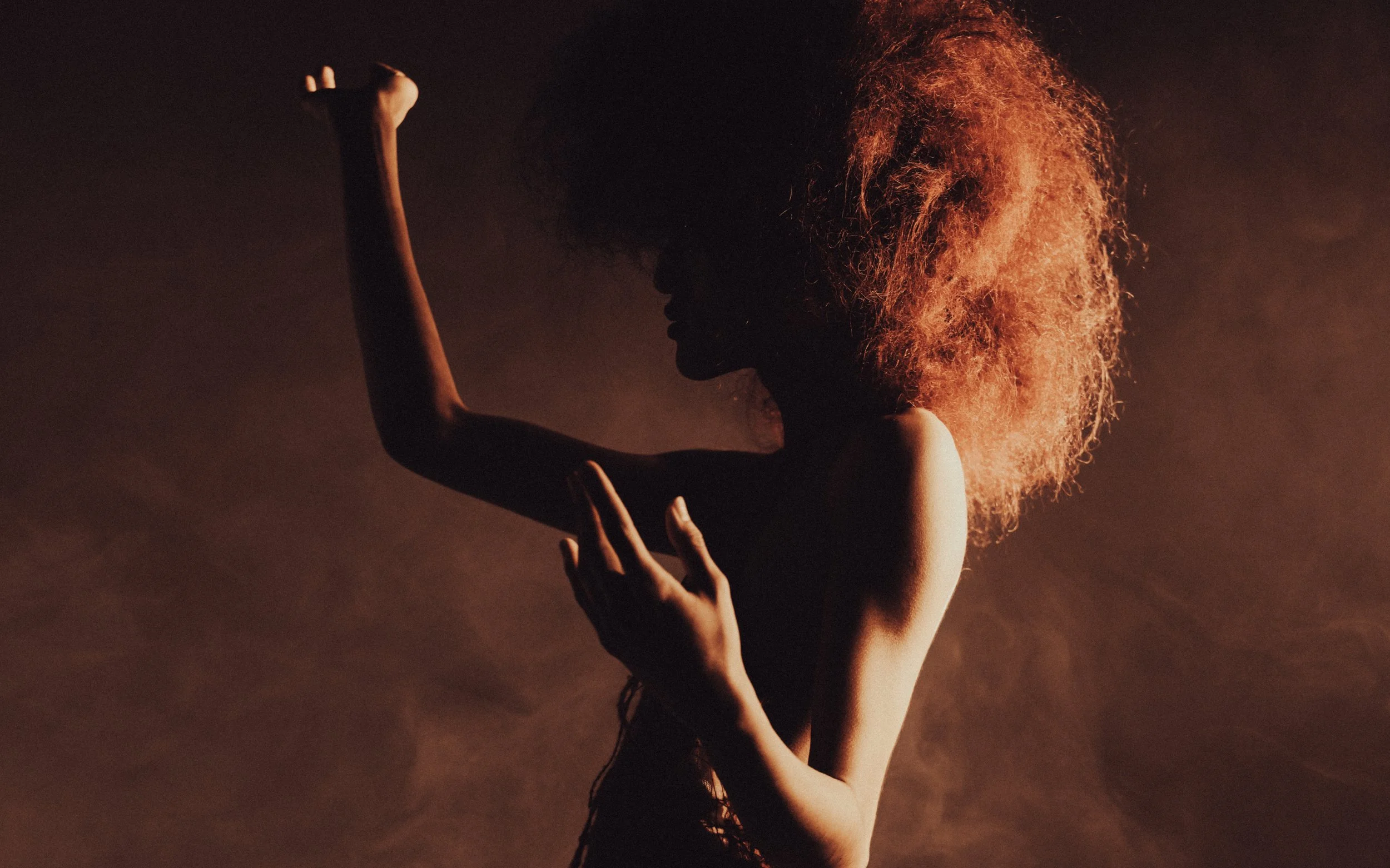
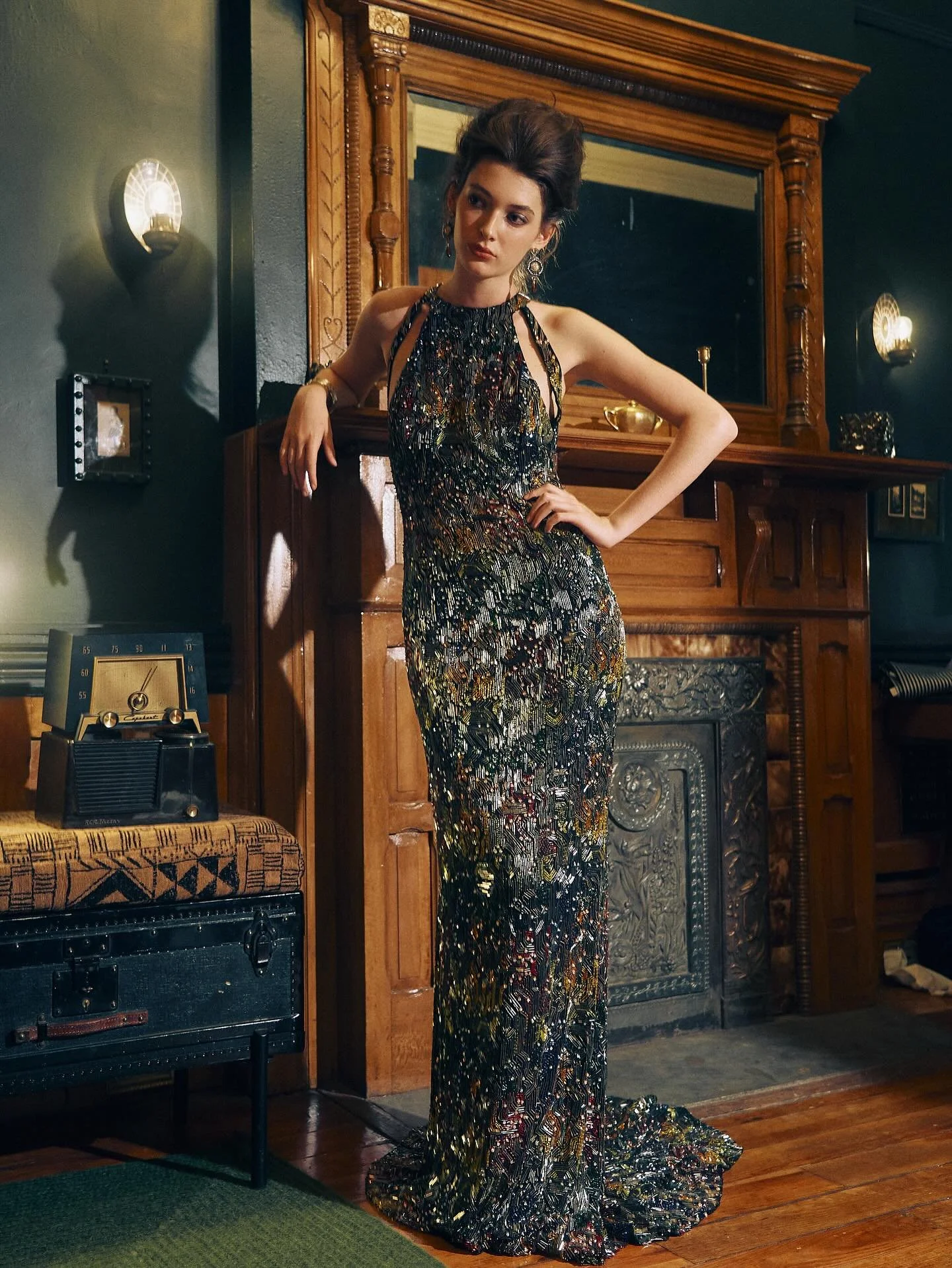
Image of Parker Foubert, Shot by Lavina Solo
MD: What do you love most about being a hair stylist?
SK: I can create different people each time, even if I’m working on the same person. I also love the process of destroying the hair after shooting wraps. Hairstyles can live in the moment; it’s not long-term. Creating and destroying what I make…I love it.
MD: Your work spans fashion, beauty, and editorials. How does your approach change depending on the project that you’re working on
SK: I prefer shooting fashion editorials the most. It requires a balance of makeup, hair, and wardrobe. If it’s a beauty shoot, the hair is designed to let the makeup shine. In the near future, I want to focus on hair[-centered] editorials.
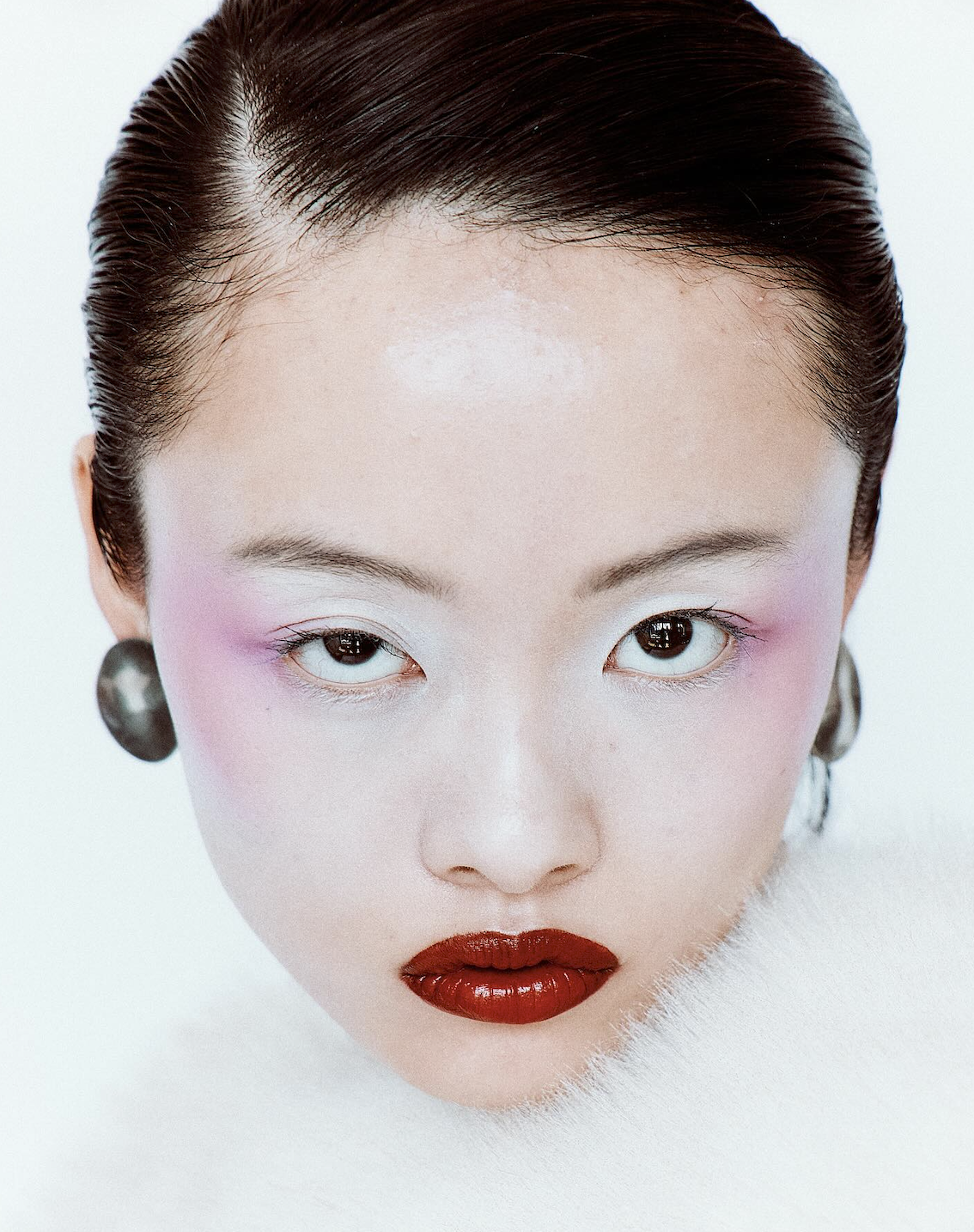
Image of Jiayi Liang, Shot by Yu Mengci for Schön! Magazine
MD: Is there a particular element of Japanese beauty or hairstyling that influences your work?
SK: I feel like traditional Japanese hairstyles influence me a lot. In particular, the updo style. The Japanese updo, Nihongami, often focuses on creating smooth, flat, and sleek surfaces, something I bring into my creations.
MD: What’s the biggest difference between here and working in Japan? What have you noticed about how people use self-expression in both cities?
SK: The biggest difference is that there are many types of hair and products. In my first year here, I struggled to style curly hair. Asian hair is mainly straight and a little wavy, so there were not many opportunities to style naturally curly hair in Japan. I am still developing my skills, but I have learned a lot. I feel people express themselves as a character; they say “this is me” through their fashion, makeup, and accessories. Japanese people like cleanliness and coordination, but many participate in trends, too; I find this interesting.
MD: Moving between two meccas of creative culture can mean encountering different ideas of beauty. Are there any Japanese beauty habits or aesthetics you wish you saw embraced more in New York?
SK: Bangs! I’ve noticed that there aren’t a lot of adults who have bangs in NY. Maybe it's because a “no-bangs look” is seen as more mature, whereas “Kawaii” culture is strongest in Japan. Bangs accentuate that aesthetic a lot. Bangs allow for more variety in hairstyles!
MD: New York is often coined the city of reinvention. Has living here changed how you see yourself as an artist?
SK: Before moving here, I thought I’d have to build a distinct way of doing hair, but I soon realized it wasn’t necessary. Now I value learning from new experiences and finding ways to incorporate them into my sessions.
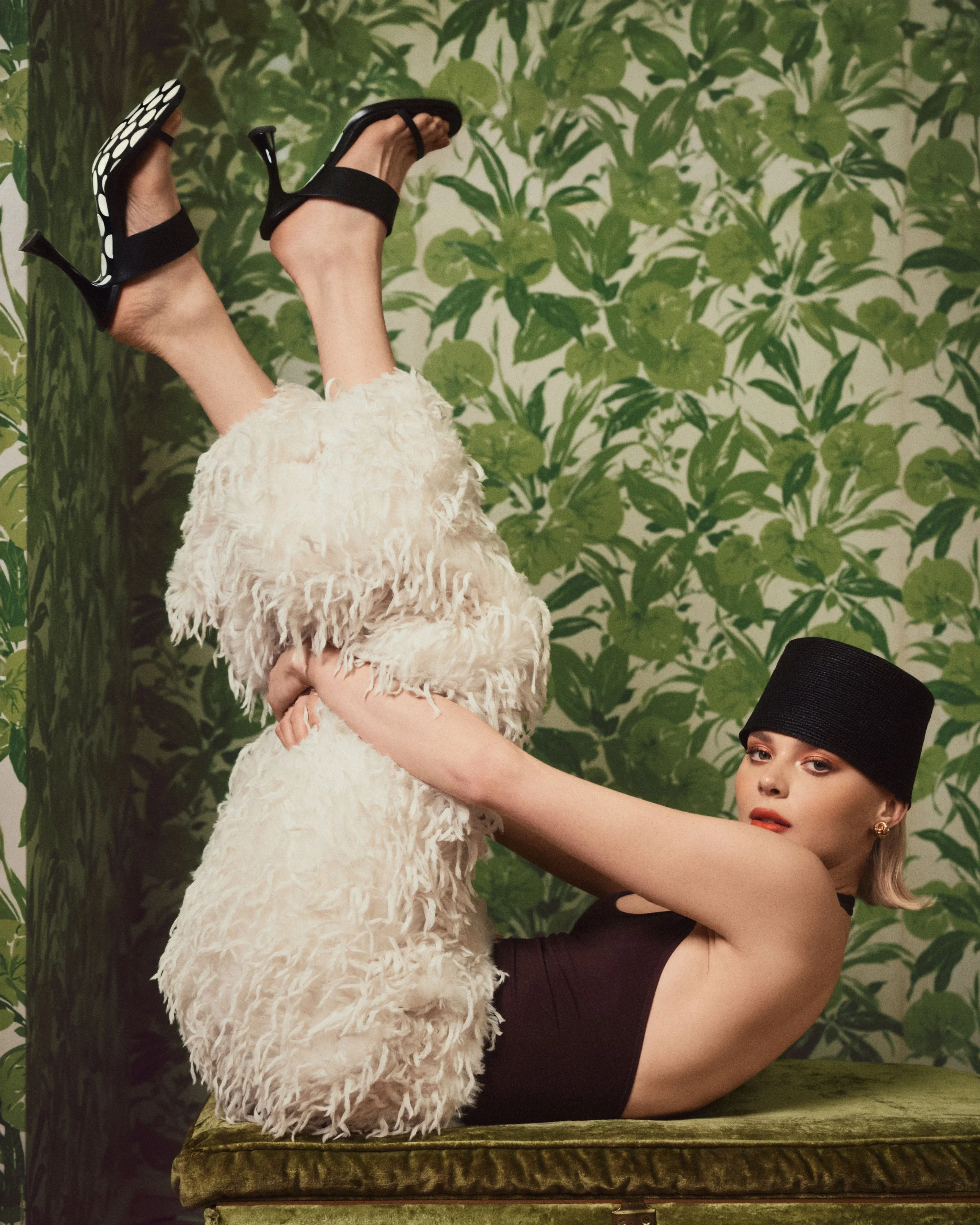
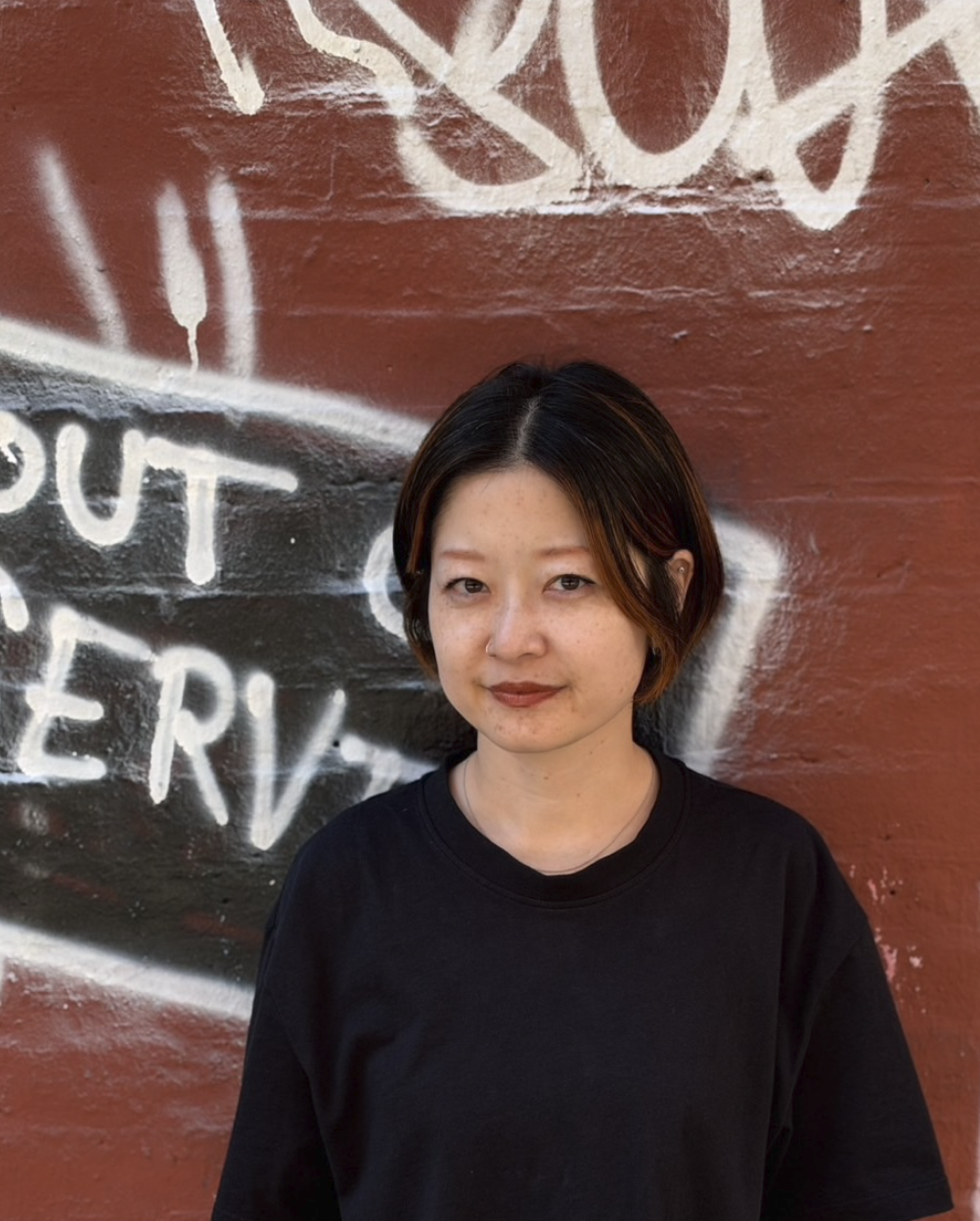
Photo by Matt Mills
MD: What’s surprised you most about working here?
SK: Age is not a big deal. There are many opportunities if I take action.
MD: What do you miss about living in Japan?
SK: I miss bathtubs [laughs]. Japan is known for onsen (hot spring) culture. Bathtubs aren’t super common here, and even if there is one, it’s shallow. I miss it so much!!
MD: What’s been your most memorable experience?
SK: When I got a magazine cover for Julian Magazine back in September of last year. I found it at Iconic Magazines. It was a very unforgettable moment!!
MD: What’s been one project on your vision board that you’ve always wanted to work on?
SK: I always want to do more hair stories. Using a wig or even an unconventional material to create interesting silhouettes.
MD: What’s the best piece of advice you’ve ever been given?
SK: Today is the youngest day of your life!
MD: And what advice would you give to young women seeking to pursue a career in hair, fashion, or makeup?
SK: Everything is connected. Even if you feel like things are meaningless, they’re not. Take everything seriously.
MD: Beauty trends come and go, but what feels timeless to you?
SK: Umm, it’s hard. I think what’s important is what we leave out, rather than what we add. Leaving things out is ultimately about balance. Timeless beauty comes from restraint rather than excess.
MD: To all of our lovely readers out there, what beauty products do you recommend to us?
SK: Redken Frizz Dismiss Rebel Tame. It tames frizzy hair and provides heat protection, and it’s not sticky!
MD: What are some products that you will always bring to set?
SK: Redken Frizz Dismiss hair cream, Redken Root Lifter spray, and Bumble & Bumble thickening spray. These are for making foundations. Oribe’s Gold Lust hair oil gives you a shiny and smooth finishing texture.
MD: What’s one thing every aspiring hairstylist should own?
SK: A tail hair comb. It’s perfect for parting straight hair.
MD: What other path would you have chosen if you were not a hairstylist?
SK: Something related to the music industry! I’d be a music arranger, drummer, or guitarist. Music is our universal language. I feel the same way about being a hairstylist.
MD: What’s your ultimate career goal? Where do you see yourself when you imagine your future?
SK: I am still in the middle of my path and not sure of my specific end goal. But I want to keep learning. There are some magazines that I dream of being in, like i-D, DAZED, Harpaar’s Bazaar, and I hope to work for them in the near future!
